

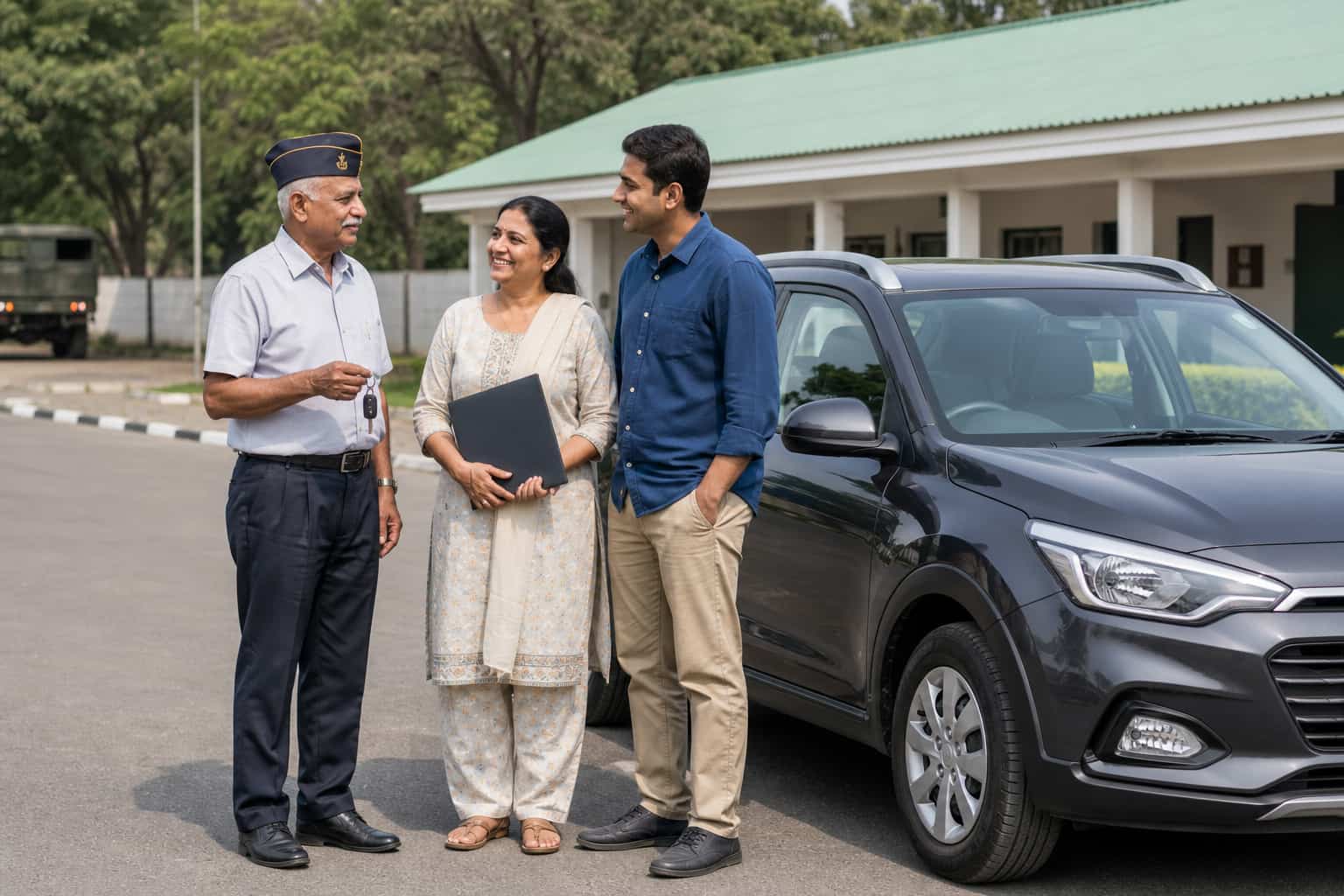
For defence personnel and veterans, the CSD canteen system is not just a shopping facility. It is a welfare support system connected with affordability, family needs, dignity and the long service given to the nation. From household goods to vehicles, CSD has always carried emotional and practical value for the fauji community.
In recent discussions, the issue of CSD car price ceiling has again become important. Many jawans, JCOs, officers, ex-servicemen and their families want the government to review whether the existing car purchase limits are still practical in today’s market. The question is simple: when car prices, safety standards and family needs have changed so much, should old-style ceiling limits continue in the same form?
This debate is not only about buying a car at a lower price. For many defence families, a car is not a luxury. It is a necessity. It helps in family movement, medical visits, children’s education, emergency travel, posting-related movement and life after retirement. In many cases, veterans live in towns or semi-urban areas where public transport is limited. For them, a reliable vehicle becomes an important part of daily life.
The current concern is that car prices have increased significantly over the years. Even basic models today cost much more than what similar models cost a decade ago. At the same time, safety expectations have changed. Families now look for better build quality, airbags, automatic transmission, better braking, higher ground clearance and more cabin space. These features are no longer seen as premium luxuries. They are becoming basic requirements for safe family travel.
This is where the CSD ceiling debate becomes serious. If the price limit is too low for a particular category, the person may be forced to either choose a lower variant or move outside the CSD system. That weakens the purpose of the welfare benefit. The intention of CSD is to support defence personnel and veterans, but if the limit does not match the market reality, the benefit becomes limited on the ground.
A major concern is the difference in entitlement between ranks and pay levels. Defence personnel understand the rank structure. The armed forces function through hierarchy, discipline and responsibility. But welfare benefits also carry a message. When a jawan, JCO or veteran feels that the system does not give enough flexibility for a basic family requirement, the issue becomes emotional as well as practical.
The demand from many members of the fauji community is not that everyone should buy an expensive vehicle. The demand is that the system should become more realistic. If a soldier or veteran is using personal savings or taking a loan, then the CSD route should not become unnecessarily restrictive. The welfare benefit should help the individual make a safer and more suitable choice for the family.
This point becomes even stronger when we look at modern vehicle prices. A car that includes proper safety features, adequate space and practical comfort often crosses older limits quickly. If the ceiling remains low, the buyer may be pushed towards a smaller vehicle, a lower safety variant or a model that may not serve the family requirement properly. For serving personnel who frequently move between stations, or veterans who may need regular hospital visits, vehicle reliability is not a small issue.
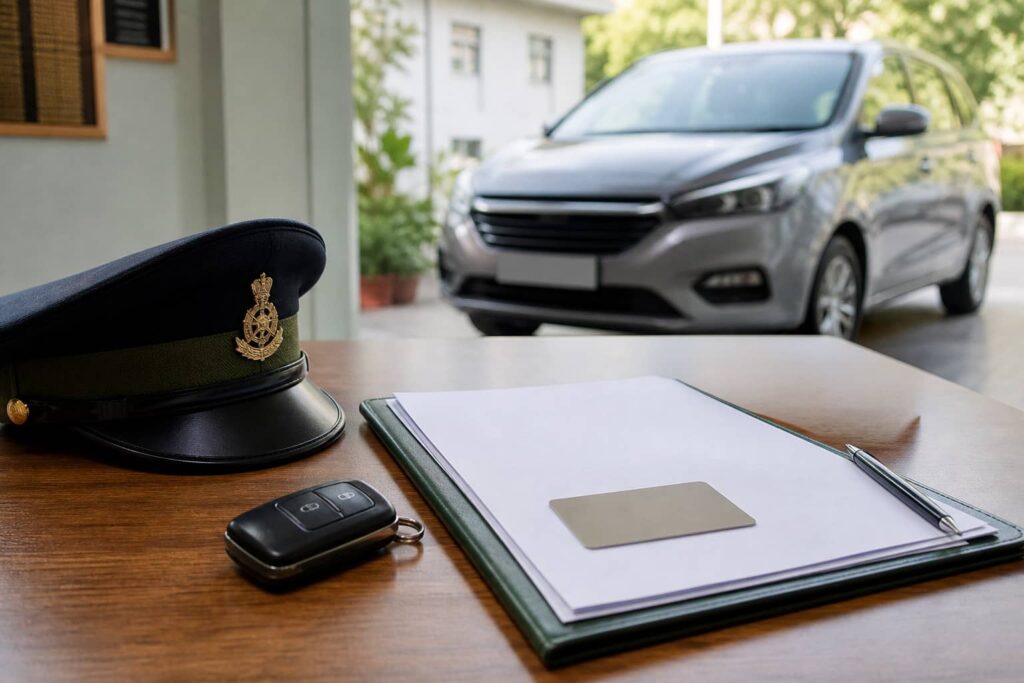
There is also a road safety angle. India has become more aware of vehicle safety in recent years. Families are now asking about crash ratings, airbags, body structure and safety technology. Defence families should not be forced to compromise on these factors only because an entitlement limit has not kept pace with the market. Welfare policy must recognise that a safer car is not a status symbol. It can be a life-saving requirement.
At the same time, the government side may have its own reasons for keeping limits. CSD benefits involve taxation, subsidy-like advantage, audit discipline and eligibility control. If there are no limits at all, the system may become difficult to manage. There can also be concerns about misuse, resale, irregular purchase patterns or benefits being used for non-genuine purposes. These concerns cannot be ignored.
That is why the practical solution may not be a complete removal of all rules, but a fair revision of the structure. The price ceiling can be updated according to present market conditions. The limits can be reviewed periodically. Separate provisions can be created for electric vehicles, safer vehicles and family-use vehicles. The policy can also include stronger safeguards to prevent misuse while still giving genuine buyers enough flexibility.
A balanced policy should protect both sides. It should protect the government’s need for transparency and control. It should also protect the welfare purpose for which CSD exists. If the system becomes too rigid, genuine defence families suffer. If the system becomes too loose, monitoring becomes difficult. The best route is a modern, transparent and practical middle path.
For veterans, this issue is especially important. After retirement, many ex-servicemen settle away from cantonment areas. Their regular needs include hospital visits, pension work, family travel, social responsibilities and emergency movement. A dependable vehicle can improve quality of life. If the CSD benefit is available but the price ceiling makes the desired vehicle inaccessible, the veteran may feel that the welfare promise is incomplete.
For serving soldiers, the issue is equally relevant. A soldier may be posted in a field area while the family stays at another location. The family may need a vehicle for safety, school duties, medical care and daily movement. In such cases, the car is not a showpiece. It is part of family security.
The CSD car ceiling debate is also connected with dignity. Defence service involves sacrifice, separation, discipline and risk. Welfare benefits are one way the nation recognises this service. When the community raises a demand for fairer limits, it should not be dismissed as a demand for luxury. It should be studied as a welfare issue.
However, it is important for defence personnel and veterans to remain cautious about rumours. A demand is not an approval. A letter, representation or discussion does not automatically mean that a new rule has been notified. Until an official circular or government order is issued, any claim of final change should be treated carefully. The fauji community should rely on official CSD, MoD and government sources for final confirmation.
The larger issue is that defence welfare rules must keep pace with changing times. The cost of living has changed. Vehicle prices have changed. Safety expectations have changed. Family mobility needs have changed. Therefore, CSD car entitlement rules also need timely review.
This debate matters because it reflects a bigger question: are welfare policies being updated according to the real needs of soldiers, veterans and families? If the answer is yes, trust in the system increases. If the answer is no, dissatisfaction grows.
The CSD car price ceiling issue is not only about vehicles. It is about fairness, safety, dignity and respect for service. Jawans, JCOs, officers and veterans may belong to different ranks, but all of them are part of the same defence family. A welfare system should recognise this shared service while maintaining discipline and transparency.
A realistic revision of CSD car limits would not just help individuals buy better vehicles. It would send a message that the system understands the changing needs of the fauji community. That message matters as much as the benefit itself.



Leave a Reply