

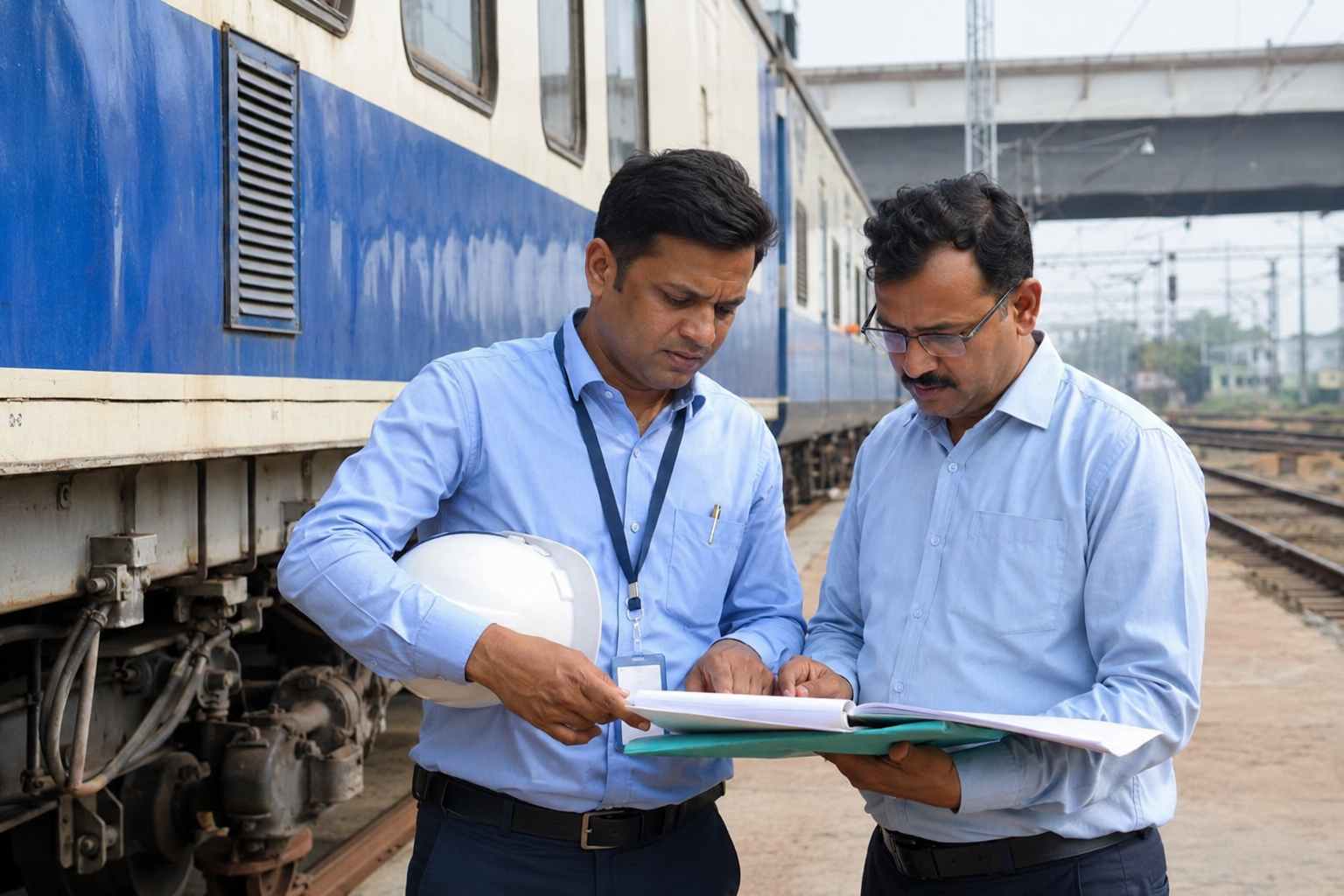
The 8th Pay Commission debate is now entering a more serious phase. For months, public attention stayed focused on broad questions such as fitment factor, minimum basic pay and pension revision. But as more employee bodies submit memoranda, the discussion is becoming sharper and more category-specific. That is exactly what the latest railway update shows. According to The Economic Times, the Indian Railways Technical Supervisors’ Association (IRTSA) has submitted a memorandum to the 8th Pay Commission asking for a very different approach to salary revision for technical railway staff.
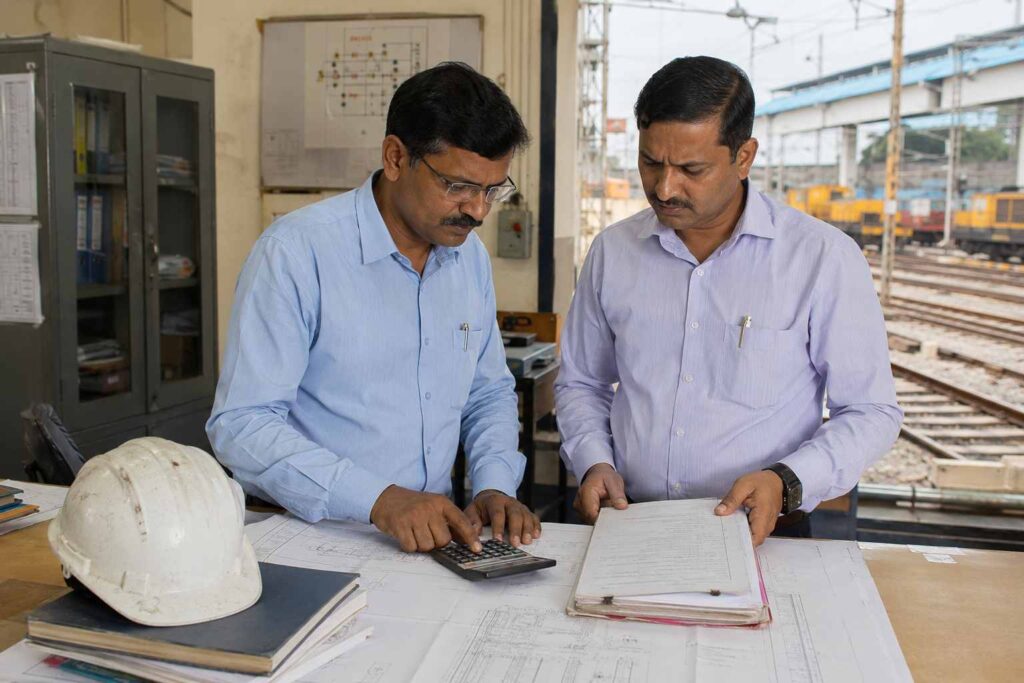
What makes this development important is that IRTSA is not merely asking for a general salary increase. It is arguing that technical railway supervisors should have a separate pay logic, with five different fitment factors linked to different pay levels, instead of one common formula for everyone. The same memorandum also proposes a minimum basic pay of ₹52,600, a 5% annual increment, and a promotional increment equal to two annual increments. In other words, this is not just another memo asking for “more pay.” It is a structured demand for a different salary architecture for one important category of railway employees.
The proposal comes at a time when the 8th Central Pay Commission is officially open to suggestions and memoranda from employees, pensioners, unions, associations, ministries and departments. The official 8CPC memorandum page says submissions must be made through the online route and that the deadline is 31 May 2026. That means the IRTSA move should be seen as part of the live consultation phase, not as outside commentary. It has entered the formal discussion at a stage when the Commission is still gathering inputs.
So why is IRTSA asking for separate fitment factors?
The central argument is that railway technical staff face a different work reality from many other categories. The memorandum, as reported, says their wages should be fixed separately from non-technical employees because of job hazards, qualification requirements, additional working hours, duties, responsibilities and peculiar service conditions. This is a significant argument because it shifts the debate away from a one-size-fits-all pay formula. It suggests that the 8th CPC should not only ask how much salaries should rise overall, but also whether all employee categories should be measured by the same revision logic.
The specific fitment-factor structure proposed by IRTSA is also noteworthy. For Levels 1 to 5, it has suggested 2.92. For Levels 6 to 8, it has proposed 3.50. For Levels 9 to 12, the proposed fitment factor rises to 3.80. For Levels 13 to 16, it goes to 4.09, and for Levels 17 and 18, the demand is 4.38. This is a very different framework from the usual public debate, which tends to revolve around one or two headline fitment-factor numbers for all employees. IRTSA is effectively telling the Commission that technical railway staff should not be compressed into a uniform formula.
This also explains why the ₹52,600 minimum basic pay demand matters. A minimum basic pay figure is never just about the entry-level number. It influences the entire pay ladder above it. Once an organisation demands a higher minimum, it is also shaping the conversation on career progression, pensions, allowances and future revisions. In this case, the railway body appears to be linking the demand to a broader claim that the present system undervalues technical skill and responsibility in the railways.
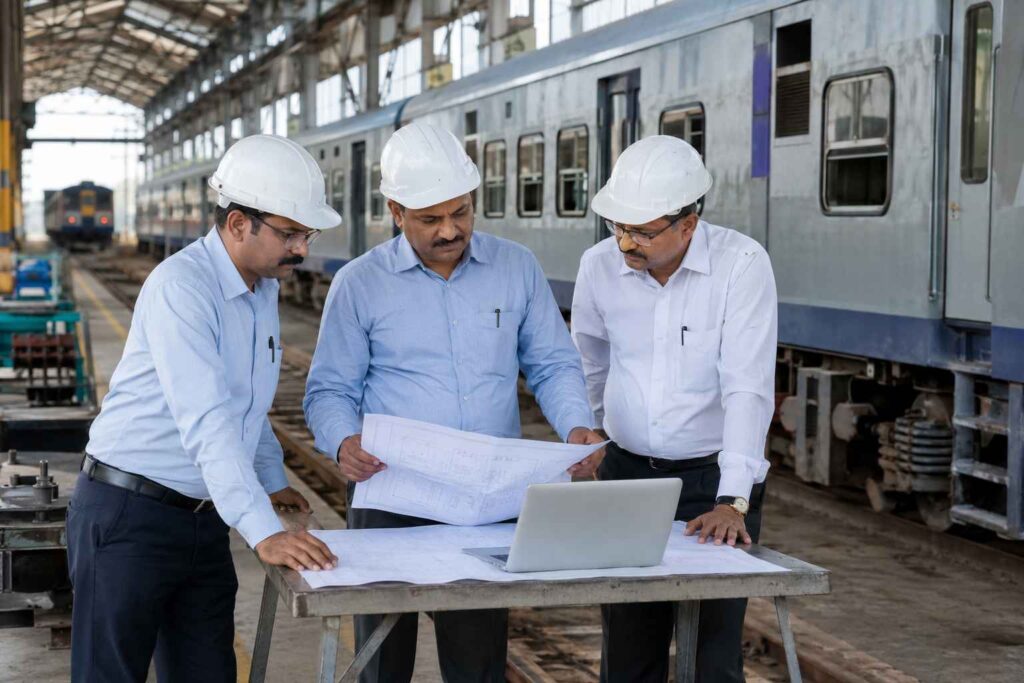
For readers, the easiest way to understand this is to see the railway demand as a challenge to the idea that all central government staff should be revised through the same lens. IRTSA is essentially arguing that technical supervisors are not just another administrative layer. They carry specialised knowledge, training, accountability and operational pressure that deserve a different pay structure. Whether the Commission accepts that logic is another matter, but the demand itself is likely to influence how similar technical categories frame their own cases in the weeks ahead.
The memorandum goes even wider than fitment factor and minimum pay. It also reportedly asks for a separate consumer price index for central government employees when calculating Dearness Allowance, and says that newer expenditure items such as internet expenses, bottled drinking water and health insurance premium should be included in the basket used for inflation calculations. This is important because it shows that employee bodies are not only debating basic pay now. They are also questioning whether the current inflation formula reflects modern household realities.
On allowances and benefits, the railway body has reportedly suggested a more generous framework as well. It wants a four-tier HRA structure, removal of the ₹43,600 ceiling for Night Duty Allowance calculation, a stronger Children Education Allowance, five financial upgradations under MACPS over 30 years, and an increase in leave encashment at retirement from 300 days to 600 days. It has also raised retirement issues, including support for OPS for employees who joined from 1 January 2004, and a major increase in gratuity limits. Taken together, the memorandum is not a narrow railway pay note. It is a full welfare and compensation package built around technical staff concerns.
At the same time, readers should stay clear on one important point. These are demands, not final decisions. The 8th CPC has not approved multiple fitment factors for railway staff. It has not accepted ₹52,600 as minimum basic pay. And it has not announced a separate CPI formula for DA. What we are seeing here is the consultation stage doing exactly what it is supposed to do: bringing strong, organised and sometimes competing demands before the Commission. The final outcome will depend on how the Commission studies these proposals, compares them with other submissions, and weighs them against wider administrative and financial considerations.
Still, this is a significant update for your readers because it shows how the 8th CPC conversation is evolving. Until recently, the public debate was dominated by headline figures such as ₹69,000 minimum pay or high fitment-factor expectations from large employee bodies. The IRTSA memorandum adds a fresh angle. It says the next pay commission should look beyond general salary revision and ask whether technical categories need a separate compensation framework. That makes the debate more complex, more specialised and more interesting.
For railway employees, especially technical supervisors, this is clearly a major moment. For other employee groups, it is also a signal. If one organised body can place a detailed, category-specific memorandum before the Commission, others may try to do the same. That is how a pay commission gradually turns from a general political talking point into a real negotiation over categories, structures, service conditions and fairness.
The broader takeaway is simple. The 8th Pay Commission is no longer just about whether salaries will go up. It is now about how different groups want those salaries to be restructured. And in that larger story, the railway technical staff demand for multiple fitment factors and ₹52,600 minimum pay could become one of the more closely watched sector-specific proposals of this pay commission cycle.


Leave a Reply