

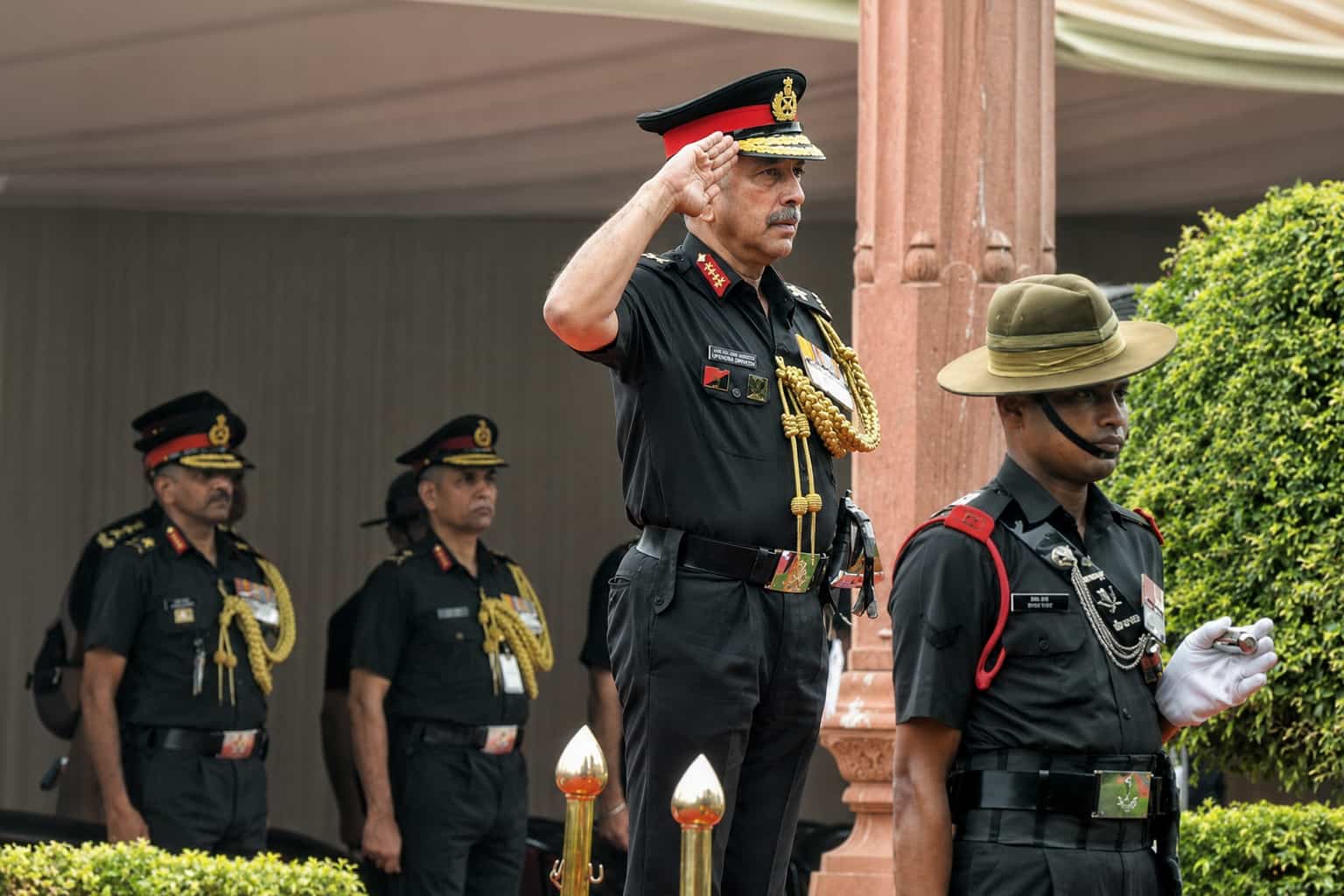
India’s military leadership is heading into an important transition, and this one carries weight far beyond ceremonial change. The Government’s decision to appoint Lt Gen N S Raja Subramani, PVSM, AVSM, SM, VSM (Retd) as the next Chief of Defence Staff places him at the centre of one of the country’s most sensitive and demanding reform phases. He will also serve as Secretary, Department of Military Affairs, which means the role is both strategic and administrative.
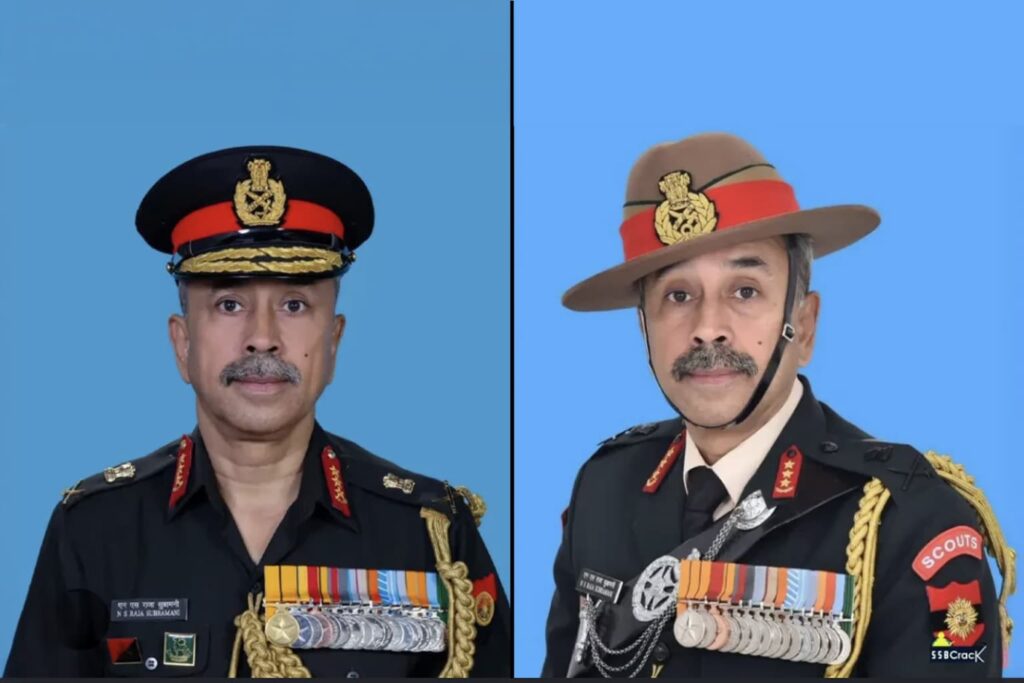
That is what makes this appointment so significant.
For many people outside defence circles, the appointment of a new CDS may look like another top-level military posting. But the office of the Chief of Defence Staff is different. It is not only about rank, prestige or leadership transition. It is about how India wants its armed forces to function together in the years ahead. In a security environment where war is no longer limited to tanks, aircraft and ships, the CDS sits at the point where policy, planning and military integration meet.
This is why Lt Gen Raja Subramani’s rise matters.
The current CDS, General Anil Chauhan, is set to complete his tenure on 30 May 2026, and the naming of his successor before that date signals continuity at a time when continuity matters. Defence reform is not a one-year exercise. It takes time, coordination and institutional confidence. Naming the next CDS in advance helps ensure that the larger reform agenda does not lose momentum during a leadership change.
That agenda is much bigger than most headlines suggest.
India created the CDS post to bring more coordination between the Army, Navy and Air Force. For decades, each service had its own command structures, priorities and institutional logic. That made sense in many traditional contexts, but modern war does not reward compartmentalised thinking. Today, national security demands faster joint planning, shared operational vision, better use of resources, and integrated responses across multiple domains. A military response may involve a ground formation, maritime surveillance, air power, satellite inputs, drones, cyber tools and intelligence assets at the same time. In that kind of environment, the services cannot work as isolated silos.
The CDS was meant to help change that.
Lt Gen Raja Subramani takes charge of this responsibility at a time when India is still working through some of its most ambitious defence reforms. One of the biggest among them is the long-discussed move toward theatre commands and greater operational integration. This is not a simple reform. It is not just about changing reporting lines on paper. It touches command culture, operational doctrine, service identity, logistics, planning authority and long-term force structure. Every service has genuine operational concerns, and any reform at this level requires patience, trust and clarity.
That is why the next CDS will be judged not only by what he says, but by whether he can help build confidence across the three services while moving reform forward.
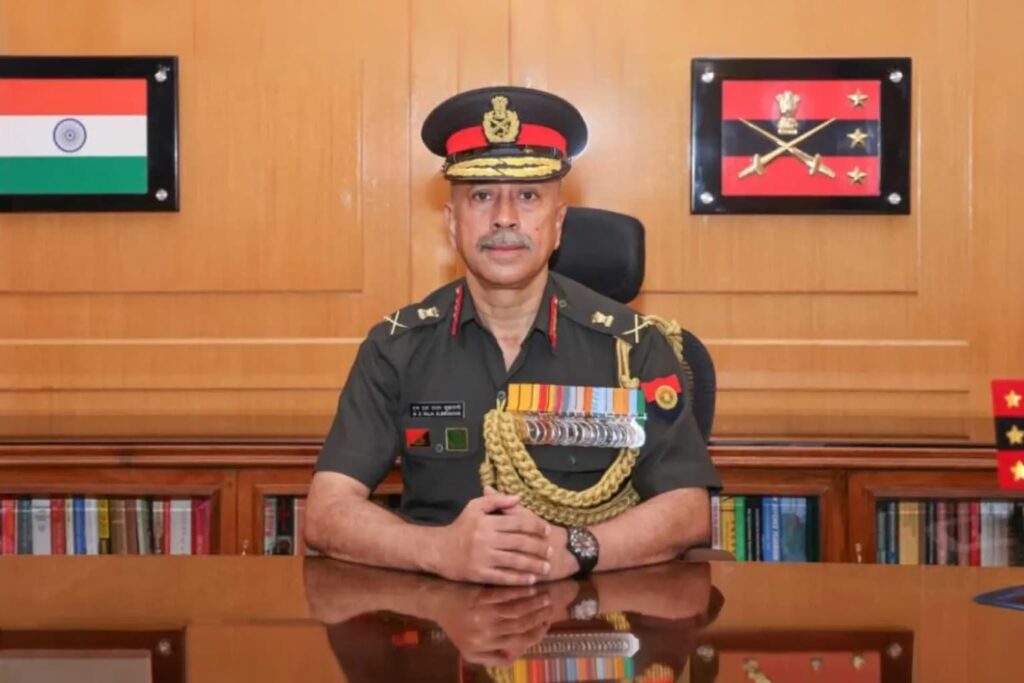
His professional background suggests he brings strong experience into the role. He has served at the top levels of the Indian Army and has held positions that exposed him to both operational and strategic responsibilities. That matters because the CDS cannot think like a single-service commander alone. The role demands a broader defence perspective. It requires understanding how land, maritime and air priorities intersect, where the services compete for resources, and how the overall military structure should be aligned with national strategy.
This is where the role becomes especially important in today’s environment.
India is no longer preparing only for conventional threats in traditional battlefields. Security planning now includes cyber warfare, space security, unmanned systems, information operations, artificial intelligence, electronic warfare and long-range precision capabilities. The character of conflict is changing faster than many institutions can comfortably adapt. The next CDS will have to deal with that shift while also keeping an eye on conventional preparedness, border realities, maritime strategy and internal capability development.
In simple terms, he will not only be managing military structure. He will be helping shape military thinking.
This is also why the dual role as Secretary, Department of Military Affairs is so important. The CDS is not just expected to offer military advice. The office is directly tied to policy and administrative handling within the Ministry of Defence system. That gives the post real influence over how reforms are processed, how issues are prioritised and how coordination is handled between uniformed leadership and the wider government structure.
For serving personnel, this matters because institutional reform eventually affects everything from training and command exposure to postings and long-term career design. For veterans, it matters because higher defence management influences how the system thinks about preparedness, manpower, modernisation and welfare priorities. The CDS may not personally decide every pension or pay matter, but the direction of military reform affects the larger ecosystem within which such issues are considered.
The appointment also comes at a time when indigenisation and self-reliance in defence production are no longer peripheral talking points. They are central to the national security conversation. India wants to reduce strategic dependence, strengthen domestic capability and ensure that future military preparedness is backed by Indian systems, platforms and industrial capacity wherever possible. That requires not only procurement decisions, but also doctrinal clarity. A military cannot use new technology effectively unless it knows how that technology fits into joint planning and future operations.
This again brings the spotlight back to the CDS office.
A fighter aircraft, a drone swarm, an indigenous radar system, a missile battery or a naval platform only becomes truly effective when integrated into a wider operational plan. The CDS helps create the strategic glue between such capabilities. That is why the office is tied not only to command reform, but also to the practical meaning of modernisation.
For the public, the simplest way to understand the importance of this appointment is this: the Army Chief leads the Army, the Navy Chief leads the Navy, and the Air Chief leads the Air Force. The CDS works above the single-service level to improve jointness, align military planning and help India’s armed forces operate as a more coordinated fighting system. In an era of complex threats, that coordination can be as important as weapon strength itself.
There is also a leadership dimension that should not be ignored. The next CDS inherits expectations, but also constraints. Higher defence reform in India is often discussed with urgency, yet it moves inside large institutions where consensus takes time. That means the role requires firmness without disruption, credibility without grandstanding, and strategic patience without losing focus. The most effective CDS may not always be the one who generates the loudest headlines. It may be the one who quietly gets the system to move together.
That is likely to be the real test before Lt Gen Raja Subramani.
Can he help convert the idea of jointness from policy language into practical military strength. Can he take forward theatre command thinking without deepening institutional resistance. Can he help the services align around modern capability needs while preserving operational effectiveness. Can he use the office not only as a symbol of reform, but as an instrument of reform.
These are not easy expectations, but they explain why this appointment is so important.
In the end, India’s new CDS appointment is not merely a story about one senior officer succeeding another. It is a story about the direction of military leadership in a changing strategic era. Lt Gen N S Raja Subramani steps into the role at a time when India needs sharper tri-service coordination, stronger reform momentum and a clearer approach to the future of warfare.
That is why this transition deserves close attention. It is not just about who occupies the chair next. It is about how effectively India can prepare its armed forces for the kind of challenges that now define modern national security.



Leave a Reply