

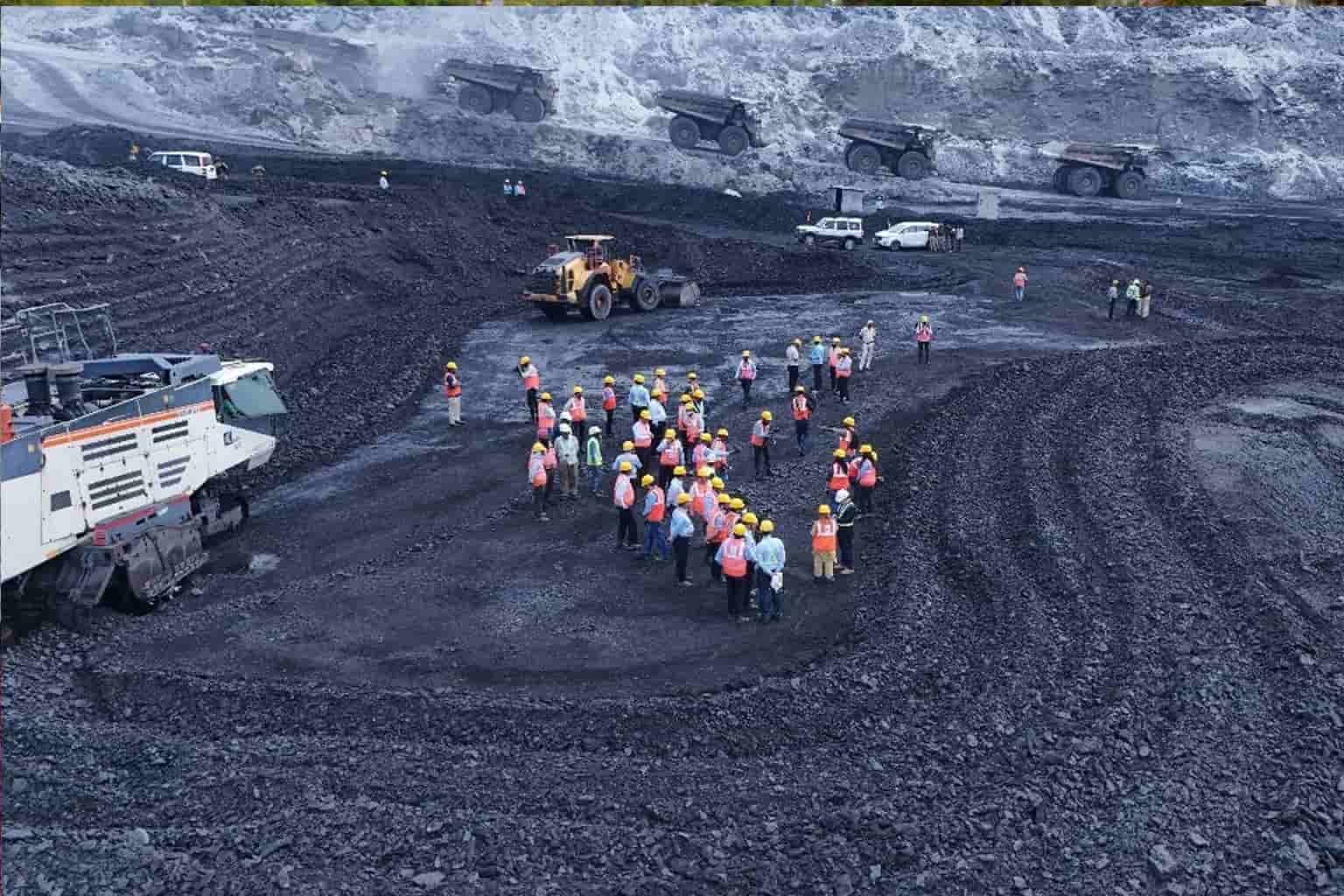
DGR Coal Scheme 2026 registration opens from 20 June. Check who can apply, investment required, officer company role, JCO/OR tipper model, widow benefit, documents and key precautions.
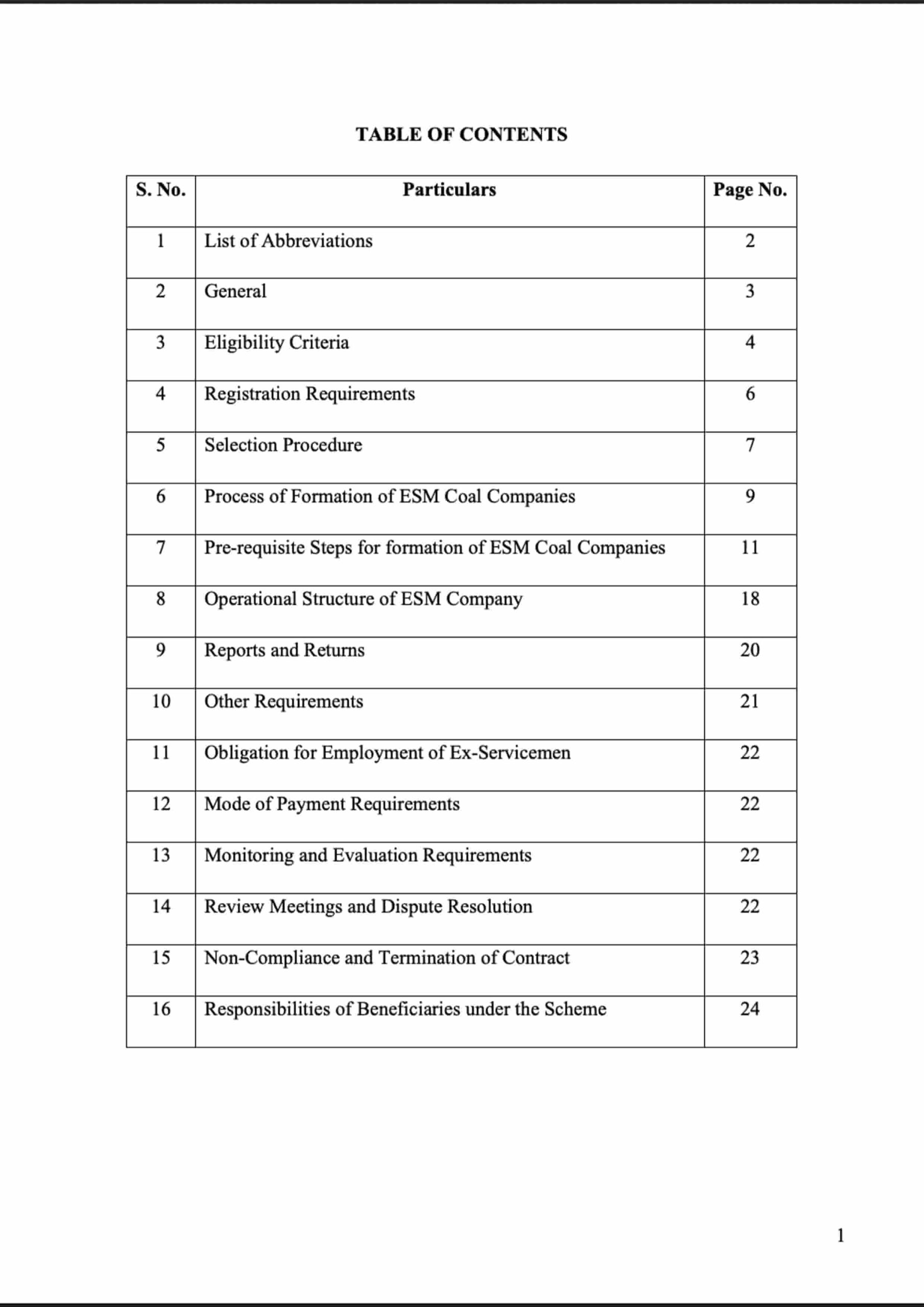
The DGR Coal Loading and Transportation Scheme 2026 has created fresh interest among ex-servicemen because online registration is scheduled to begin from 20 June 2026.
But this scheme should not be seen as a simple job opening.
It is closer to a structured business and welfare model where ex-servicemen officers, JCOs/OR, widows, orphan wards and disabled ESM are connected with coal loading and transportation work linked to Coal India Limited subsidiaries.
For the right applicant, it can become a serious second-career opportunity. For someone who applies without understanding the rules, it can become financially risky.
Why this scheme is different from a normal vacancy?
A normal vacancy usually means selection, appointment and salary.
The DGR Coal Scheme is different.
It involves company formation, investment, transport assets, seniority, sponsorship, compliance, audit and operational responsibility.
That is why applicants should first ask one basic question:
Am I looking for a job, or am I ready for a business-linked resettlement opportunity?
This difference is important because the scheme demands money, paperwork and responsibility.
What is the DGR Coal Loading and Transportation Scheme?
The scheme is operated through the Directorate General Resettlement under the Department of Ex-Servicemen Welfare, Ministry of Defence.
Under this model, an Ex-Servicemen Coal Loading and Transportation Company is formed and sponsored for coal loading and transportation work.
The structure has three main beneficiary groups:
ESM officers as company directors
JCOs/OR as tipper owners
Widows, orphan wards and disabled ESM as welfare beneficiaries
This makes the scheme a mix of resettlement, transport operations and welfare support.
What is new in 2026?
The major update is that online registration for the Coal Scheme is scheduled to open from 20 June 2026 on the official DGR website.
DGR has also published updated scheme material and document-related information for applicants.
Another important point is for officers who are already registered in another DGR scheme. If they want to shift to the Coal Scheme, they can request change only after registration opens. However, seniority will depend on the sanction date of the change, not merely the request date.
This point can affect future allotment, so it must be understood carefully.
Who should consider applying?
The scheme may be useful for applicants who meet three conditions.
They should fall in the eligible category.
They should understand the financial commitment.
They should be ready for documentation and compliance.
This is not an automatic welfare grant. It is not a casual transport contract. It is a regulated DGR-backed opportunity where applicants must follow official rules.
Role of ESM officers
Under the scheme, five ESM officers form a private limited company.
These officers become directors and contribute to the company’s initial capital. The company then operates loading and transportation work as per the scheme structure.
For ESM officers, this route is suitable only if they are ready for business responsibility, coordination with other directors, financial participation, transport operations and compliance.
It should not be treated like a passive income scheme.
Role of JCOs/OR
JCOs/OR participate through the tipper ownership model.
This means they are not joining as ordinary employees. They are linked with vehicle-based participation and must understand the investment and operational expectations.
For many JCOs/OR, this can be a meaningful resettlement option, but only if they are comfortable with the transport-business nature of the scheme.
Before applying, they should check age, employment status, previous DGR/DESW benefit use and financial readiness.
Role of widows, orphan wards and disabled ESM
The scheme also has a welfare-beneficiary component.
Widows, orphan wards and disabled ESM can be attached with an ESM company as per the eligibility conditions in the guidelines.
They contribute a one-time amount and receive fixed monthly remuneration for the specified period. The contribution is returnable as per the scheme conditions.
This welfare component is important, but beneficiaries should verify eligibility and terms from the official DGR guidelines before making any commitment.
Investment required under the scheme
This is the most important part for readers.
The ESM Coal Company starts with an initial capital of ₹1.25 crore. Five ESM officer-directors contribute equally, which comes to ₹25 lakh per officer.
JCOs/OR selected as tipper owners are required to invest ₹5 lakh as one-time seed money.
Widows, orphan wards and disabled ESM beneficiaries contribute ₹1 lakh one time.
These figures make one thing clear: the Coal Scheme is not just about registration. It is a financial decision.
Why applicants should not rush blindly?
Registration opening does not mean every person should apply immediately.
Applicants should first check:
category eligibility
age limit
employment status
previous DGR/DESW scheme benefit
investment capacity
document readiness
seniority rules
vehicle and equipment requirements
compliance duties
risk of cancellation for violations
A wrong application may waste time. A wrong financial decision may create stress.

How large can one ESM Coal Company be?
One ESM company may operate with a fleet structure of 4 pay loaders and 40 tippers.
The company can support up to 89 beneficiaries:
5 ESM officer-directors
24 JCO/OR tipper owners
60 widows, orphan wards or disabled ESM beneficiaries
This structure shows that the scheme is designed to create a wider benefit chain.
It is not only for the five directors. It also connects JCOs/OR and welfare beneficiaries with the company model.
Vehicle and operational requirements
The scheme expects proper transport assets and operational discipline.
New pay loaders and tippers are required at the start of work. Tippers must meet carrying-capacity and safety conditions, including required vehicle standards and tracking-related features.
This means the company cannot run the work casually.
Coal loading and transportation requires safety, timing, vehicle management, driver discipline, fuel planning, repair support and statutory compliance.
No subcontracting allowed
A very important rule is that subcontracting is not allowed.
The purpose of the scheme is to benefit genuine ex-servicemen and welfare beneficiaries. If outside contractors use the ESM company name, the purpose of the scheme is defeated.
DGR and coal subsidiaries may take action if subcontracting is found.
Applicants should therefore understand that the responsibility must remain with the ESM company.
Audit and reporting are mandatory
An ESM company under this scheme must maintain proper accounts and submit required reports.
Quarterly returns, half-yearly returns and annual audit reports are part of the compliance process. Payments to welfare beneficiaries must also be recorded.
This makes the scheme suitable for people who can handle disciplined administration.
A transport business without proper paperwork can quickly create problems.
Why this scheme matters for veterans?
Many ex-servicemen look for a stable second innings after retirement.
Some prefer employment. Some want entrepreneurship. Some want to remain connected with structured government-backed opportunities.
The DGR Coal Scheme provides one such route, but with clear responsibilities.
For veterans, the attraction is not only income. It is also dignity, productive work, structured resettlement and a chance to use discipline in a civilian business environment.
What makes this useful for readers?
Readers of 8thpaycommissions.in often follow pay, pension, government benefits, service conditions and welfare-linked updates.
This scheme fits that audience because it is connected with post-retirement planning.
A veteran’s financial life does not end with pension. Many retired personnel still look for additional income, self-employment and structured resettlement.
That is why understanding DGR schemes is important.
Important caution before applying
Applicants should avoid agents, unofficial forms, WhatsApp claims and forwarded messages.
This scheme involves official registration, investment and eligibility verification. Any mistake can create financial loss or disqualification.
The safest approach is simple:
Read the official DGR guidelines.
Check the document list.
Understand your category.
Calculate your financial capacity.
Apply only through the official DGR website.
Final takeaway
The DGR Coal Loading and Transportation Scheme 2026 is an important resettlement opportunity for eligible ex-servicemen and welfare beneficiaries.
Online registration is scheduled to begin from 20 June 2026.
The scheme includes ESM officers as company directors, JCOs/OR as tipper owners and widows, orphan wards and disabled ESM as welfare beneficiaries.
But this is not a simple job scheme.
It requires investment, documents, seniority, vehicles, operational discipline, audit compliance and strict adherence to DGR guidelines.
For the right applicant, it can become a serious second-career opportunity. For an uninformed applicant, it can become a costly mistake.
So the best advice is clear: understand first, then apply.
Sources:-
DGR Bulletin page:
https://dgrindia.gov.in/News/Bulletins
DGR Coal Loading and Transportation Scheme page:
https://dgrindia.gov.in/Content2/schemes/coal-loading–transportation-scheme
DGR Coal Scheme 2026 Guidelines PDF:
https://dgrindia.gov.in/writereaddata/media/documents/COALGuidelines2026FINAL.pdf
DGR Coal Scheme article / SOP update:
https://dgrindia.gov.in/News/Article/2577
DGR New MoU with Coal India Limited PDF:
https://dgrindia.gov.in/writereaddata/documents/New%20DGR%20Coal%20MoU.pdf


Leave a Reply