

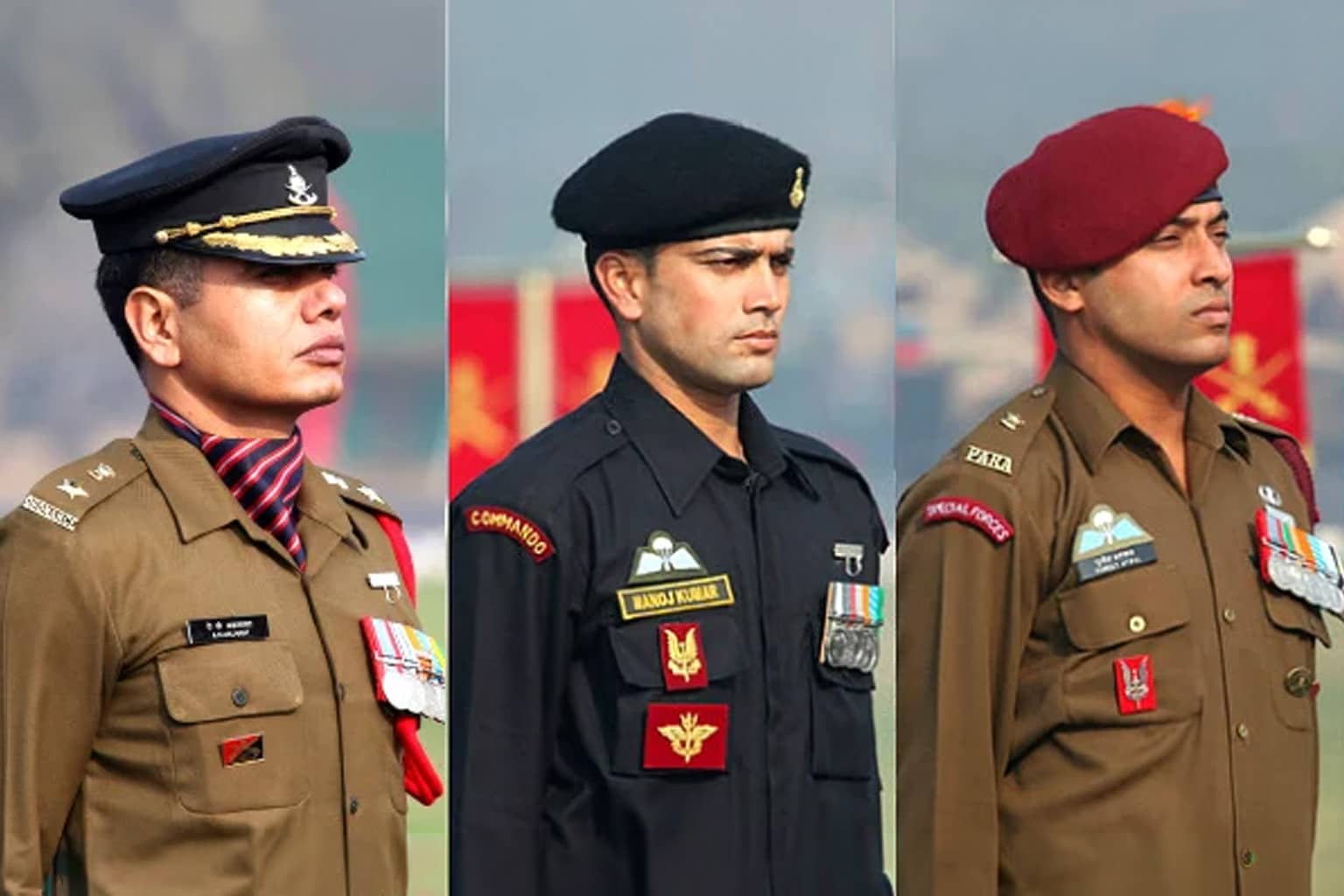
Army Uniforms 2026 reportedly brings Bandi jackets, Battle Jackets, limited sword use, tattoo restrictions and grooming rules. Know why these changes matter for discipline, Indian identity and defence aspirants.
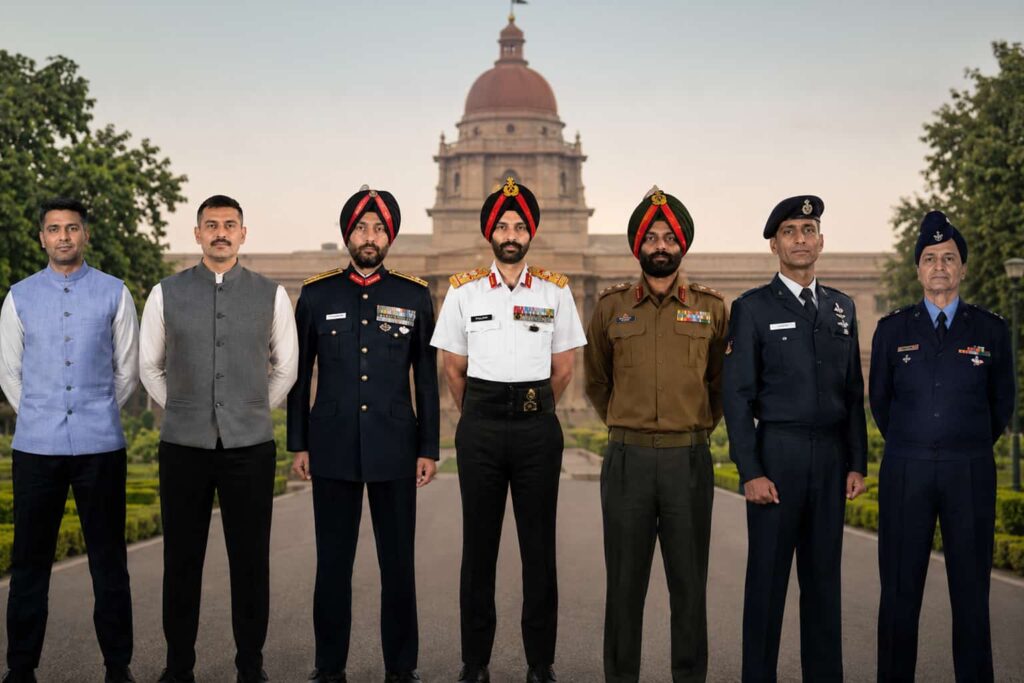
The uniform of a soldier is never just clothing.
It represents discipline, identity, tradition and the responsibility of service. That is why the reported Army Uniforms 2026 update has attracted public attention.
The discussion is not only about a new jacket or a grooming rule. It is about how the Indian Army wants its appearance to reflect modern professionalism, Indian identity and military discipline.
Reports on the new Army Uniforms-2026 manual mention several important changes, including the Bandi jacket, Battle Jacket, restricted sword use, removal of colonial-era terms and clearer grooming and tattoo rules.
For serving personnel, this is a matter of dress discipline.
For veterans, it is a visible change in Army tradition.
For defence aspirants, it is a reminder that Army life begins with discipline in small things.
Why Army Uniforms 2026 is being discussed?
The reason this update is getting attention is simple: the Army uniform is one of the most respected symbols in India.
People see it in parades, cantonments, ceremonies, recruitment events, military funerals and national occasions. Any change in Army dress rules naturally creates curiosity.
But this update should not be viewed like a fashion change.
In the military, dress regulations are connected with order, equality, command culture and public image. A uniform tells the world that the person wearing it is part of a disciplined organisation, not acting as an individual.
What are the key reported changes?
According to media reports citing the Army Uniforms-2026 manual, the changes include:
Bandi jacket as part of formal civil dress
Battle Jacket as part of winter working dress
Limited use of swords in ceremonial events
Removal of older colonial-era terms such as “Royal”
Stricter grooming and tattoo-related norms
Restrictions on visible accessories and casual personal display in uniform
These points show that the Army is trying to modernise appearance while keeping military sharpness intact.
Bandi jacket: Why this change stands out?
The Bandi jacket is one of the most visible reported changes.
It brings an Indian formal identity into Army-related civil formal dress. A closed-neck Bandi jacket with formal trousers gives a smart and dignified appearance without depending only on older colonial-style dress influences.
This is why the change is being discussed widely.
It gives the dress code a more Indian character while maintaining formality. The message is clear: the Army can modernise without becoming casual.
Battle Jacket and winter working dress
Reports also mention the Battle Jacket as part of the updated winter working dress.
This change appears practical as well as visual. A winter dress should not only look neat; it should also support comfort, mobility and uniformity during duty.
A Battle Jacket-style winter dress can make the working appearance sharper and more functional.
However, such changes are usually implemented through proper instructions, supply timelines and unit-level directions. Serving personnel should follow official orders, not social media summaries.
Why sword use is being limited?
Ceremonial swords carry history and dignity, but every tradition must also remain relevant.
Reports suggest that sword carriage is being restricted to specific roles and occasions. Reviewing Officers may not be required to carry swords in the earlier manner.
This does not mean swords disappear from Army ceremonies.
It means their use is being rationalised.
The Army is not removing tradition for the sake of change. It is refining ceremonial practice so that tradition remains meaningful instead of becoming mechanical.
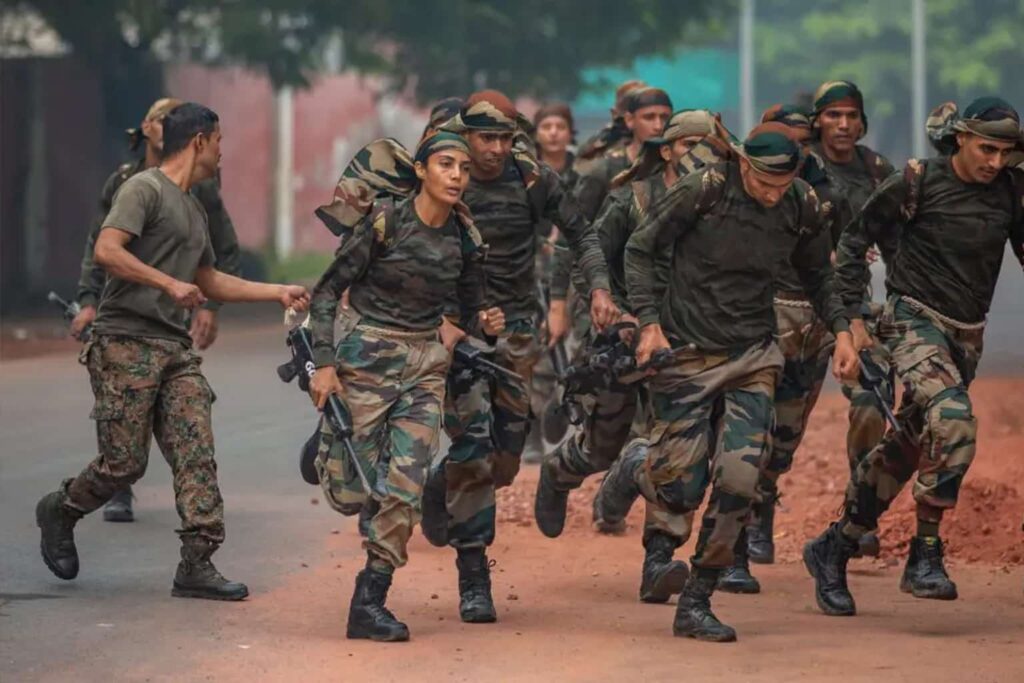
Why removal of colonial terms matters?
One symbolic part of the reported update is the removal of old colonial-era terminology such as “Royal” from relevant dress references.
This fits a larger shift in India’s military culture.
The Indian Army has a proud history, including inherited traditions, regimental legacy and post-independence achievements. But a modern Indian Army also needs symbols and language that reflect India’s own national identity.
Removing unnecessary colonial expressions does not weaken tradition. It makes tradition more Indian.
Why grooming rules are important in the Army?
Many civilians may wonder why the Army is strict about hair, moustache, tattoos, bracelets, make-up, beards, perfumes or visible accessories.
The answer is discipline.
The Army does not treat uniform appearance as personal fashion. Appearance in uniform reflects military bearing, seriousness and unit pride.
Strict grooming creates common standards. It reduces unnecessary personal display and strengthens the sense of belonging to one force.
In a military organisation, small details matter because they show larger discipline.
Tattoo policy: What aspirants must understand?
Tattoo rules are very important for defence aspirants.
Many young candidates get tattoos without understanding recruitment rules and later become worried during medical or selection stages.
Reports suggest that the Army Uniforms 2026 manual reinforces restrictions on tattoos and body piercings.
The safe advice for aspirants is simple: do not rely on reels, short videos or informal claims. Check official recruitment instructions before getting any visible tattoo or body piercing.
Aspirants should remember that joining the Army means accepting a regulated lifestyle.
The uniform comes with rules.
What does this mean for serving personnel?
For serving personnel, the practical message is straightforward.
Follow official dress instructions.
Wait for unit-level implementation directions.
Maintain correct grooming.
Avoid unauthorised accessories.
Do not depend on half-information online.
Treat dress discipline as part of service discipline.
The Army uniform is not worn casually. It must be worn correctly.
What does this mean for veterans?
For veterans, these changes may feel significant because many served under older dress traditions.
Some may welcome the Indianisation of formal dress. Some may feel emotionally connected to old ceremonial practices. Both reactions are natural.
But every professional force evolves.
The important point is that the Army is not abandoning dignity. It is updating its visual identity while preserving discipline and tradition where they remain meaningful.
Why this topic matters for readers?
Readers of 8thpaycommissions.in often follow government service rules, defence updates, pay, pension, welfare and service-condition developments.
Army Uniforms 2026 fits this audience because it is connected with service discipline and official appearance standards.
Uniform rules may look small compared to pay or pension, but in the Army, dress and discipline are part of institutional culture.
A soldier’s appearance is linked with public respect, unit pride and military professionalism.
What should readers not misunderstand?
There are a few important clarifications.
First, this does not mean every Army dress item has changed overnight.
Second, the full public official PDF was not available on PIB or publicly accessible Army pages at the time of writing, so detailed points should be treated as media-reported information citing the Army Uniforms-2026 manual.
Third, sword use is reportedly limited, not completely removed from all ceremonies.
Fourth, the Bandi jacket is not a casual outfit. It is being discussed as part of formal dress.
Fifth, grooming rules are not new in spirit. The Army has always maintained strict appearance standards.
Comment
Army Uniforms 2026 should be understood as a visual and cultural update.
It shows the Army moving towards a sharper, more Indian and more contemporary dress identity.
The Bandi jacket reflects Indian formal character.
The Battle Jacket reflects practical modernisation.
The limited sword rule reflects ceremonial rationalisation.
The removal of colonial terms reflects national confidence.
The grooming rules reflect discipline.
Together, these changes show that the Indian Army is not only changing what is worn. It is refining what the uniform communicates.
Final takeaway
Army Uniforms 2026 is more than a dress-code discussion.
It is about discipline, standardisation, Indian identity and the Army’s public image.
The reported changes such as Bandi jackets, Battle Jackets, limited sword use, removal of colonial terms and stricter grooming norms show that the Army is modernising without losing its core military character.
For soldiers, the message is discipline.
For aspirants, the message is preparation.
For the public, the message is respect for the uniform.
A uniform is stitched from cloth, but in the Army it carries duty, dignity and national pride.
Sources:-
NDTV / ANI report:
https://www.ndtv.com/india-news/indian-armys-new-uniform-code-british-era-customs-banned-no-use-of-royal-11635466
Economic Times report:
https://m.economictimes.com/news/defence/indian-army-uniforms-2026-manual-from-new-winter-dress-to-bandi-jackets-tattoo-rules-all-about-armys-new-dress-rules/articleshow/131716098.cms
India Today report:
https://www.indiatoday.in/india/story/indian-army-dress-code-2026-bandi-jacket-colonial-practices-grooming-rules-2926599-2026-06-15
Hindustan Times report:
https://www.hindustantimes.com/india-news/indian-army-drops-colonial-era-dress-traditions-introduces-bandi-jackets-in-new-uniform-code-101781398456620.html



Leave a Reply