

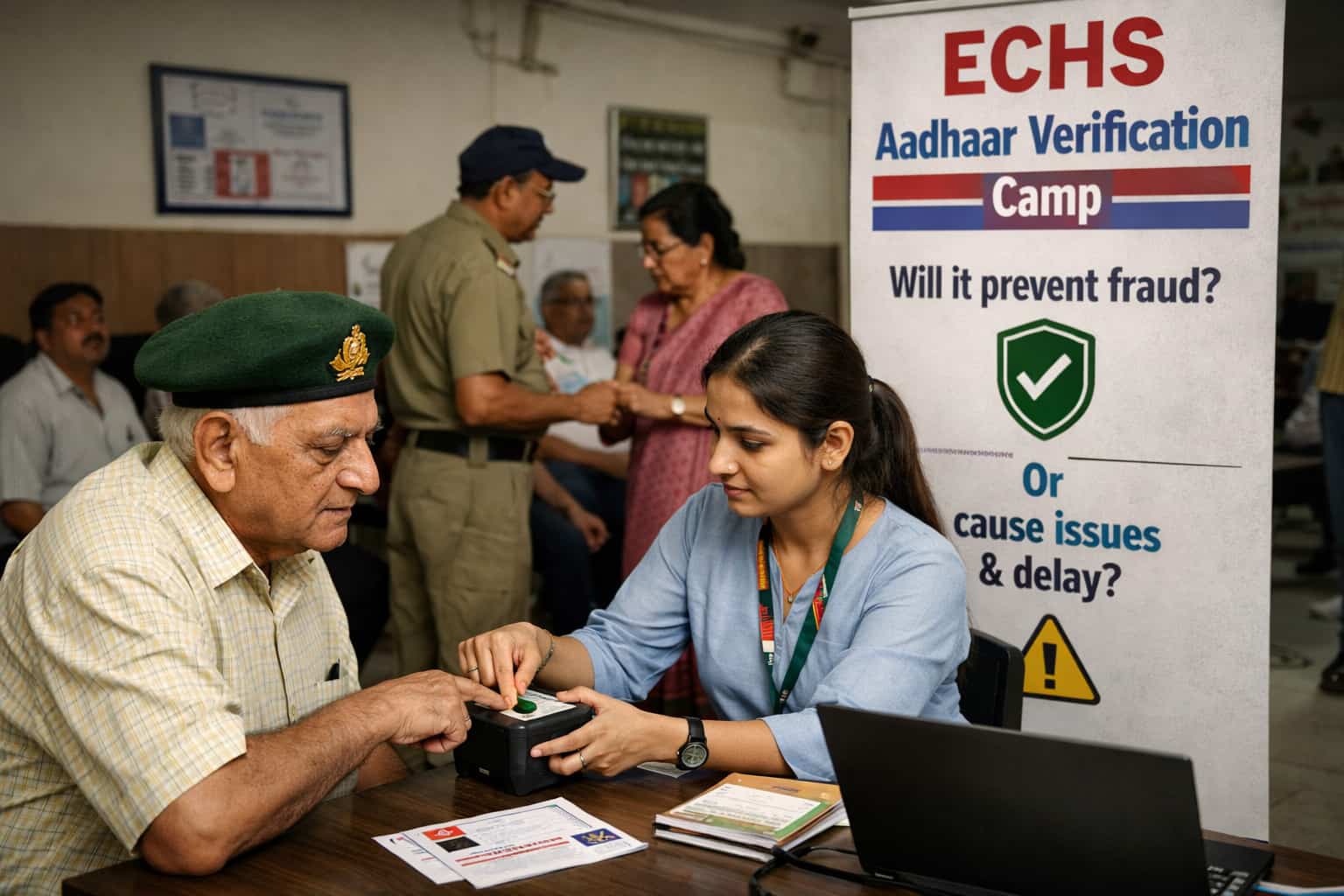
For lakhs of ex-servicemen, defence pensioners, and their families, the Ex-Servicemen Contributory Health Scheme is not just another government facility. It is a critical support system that ensures access to timely and affordable healthcare. That is why the latest move towards Aadhaar-based biometric verification has triggered both interest and concern across the veteran community.
At first glance, this update may seem like a routine administrative change. But when you look deeper, it has the potential to reshape how beneficiaries access medical services, how identity is verified, and how smoothly treatment is delivered at ECHS facilities.
The core question is simple yet important. Will this new system make healthcare access faster and safer, or will it add another layer of complexity for elderly beneficiaries who already face practical challenges?
What exactly is changing in ECHS?
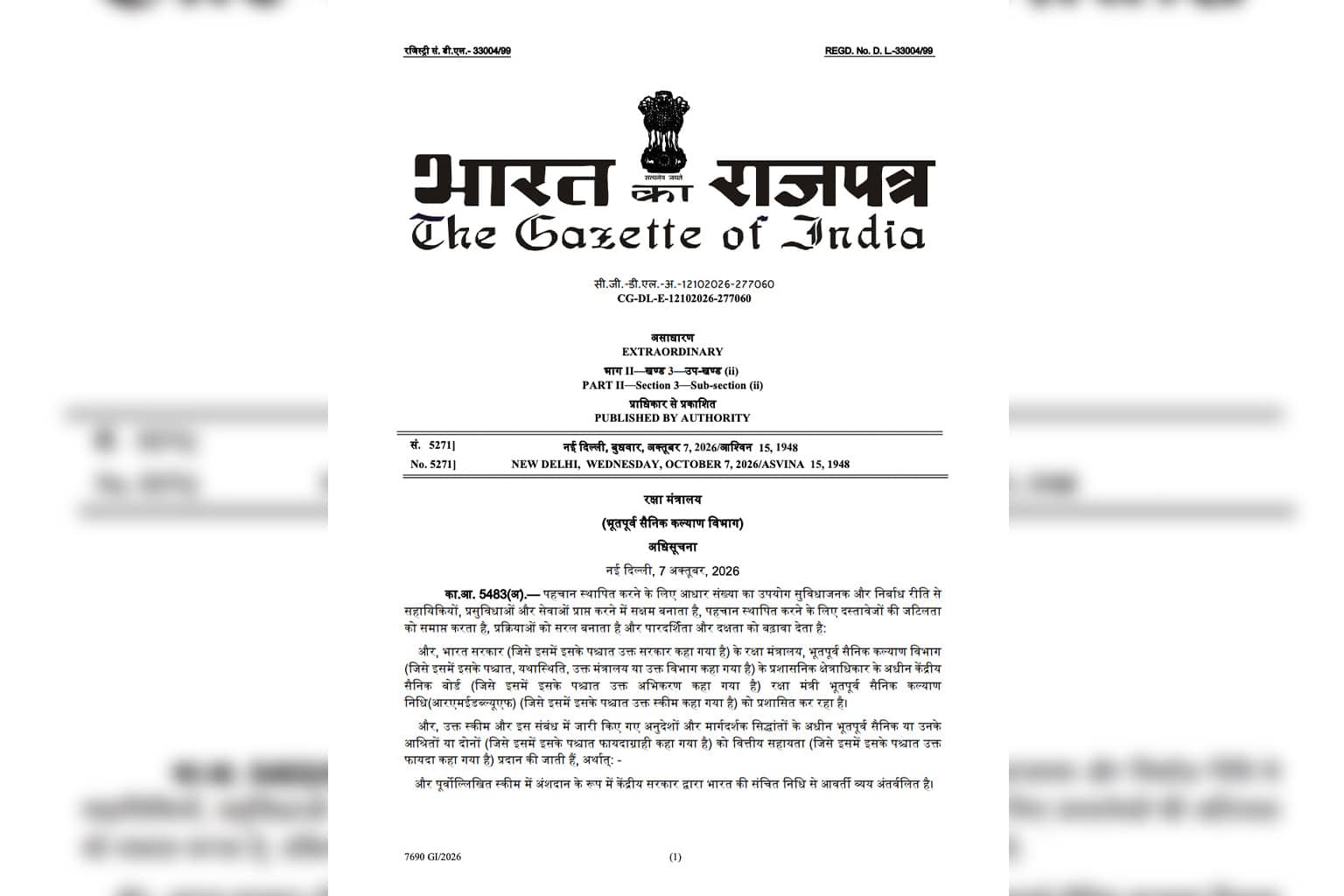
The government is preparing to introduce Aadhaar-based biometric authentication through what is being referred to as the Beneficiary Verification application, commonly known as the BSA app. This system aims to verify the identity of beneficiaries before they access treatment under ECHS.
In simple terms, instead of relying only on physical cards and documents, beneficiaries may need to authenticate themselves using Aadhaar-linked biometrics such as fingerprints or iris scans. This verification could become part of the process at ECHS polyclinics, empanelled hospitals, or during claim processing.
This marks a shift from document-based identity to digital verification, aligning ECHS with broader trends in public service delivery across India.
Why the government is pushing this change?
The primary reason behind this move is fraud prevention. There have been instances where ECHS cards or identities were misused for unauthorized treatments. In some cases, genuine beneficiaries faced issues such as card blocking or service denial due to such misuse.
By introducing Aadhaar authentication, the system aims to ensure that only genuine beneficiaries can access services. This can help in:
- Reducing fake or duplicate claims
- Protecting funds meant for veterans
- Improving availability of services for rightful users
- Bringing accountability into the system
From a policy perspective, this is a logical step. Digital verification reduces loopholes and strengthens system integrity.
How this may impact veterans on the ground?
While the intent is clear, the real impact will depend on how smoothly this system is implemented.
For tech-savvy users or younger dependents, Aadhaar-based verification may actually make the process faster. A quick fingerprint scan or OTP authentication could reduce paperwork and waiting time.
However, for elderly veterans, especially those above 70 or 80 years, the situation could be different.
Common challenges may include:
- Fingerprint mismatch due to ageing or worn-out fingerprints
- Difficulty in understanding digital processes
- Aadhaar not linked to an active mobile number
- Errors in Aadhaar details such as name or date of birth
These are not rare issues. They are already seen in other Aadhaar-linked services. If not handled properly, they could lead to delays in treatment, which is a serious concern in healthcare scenarios.
Phased rollout means preparation time is now
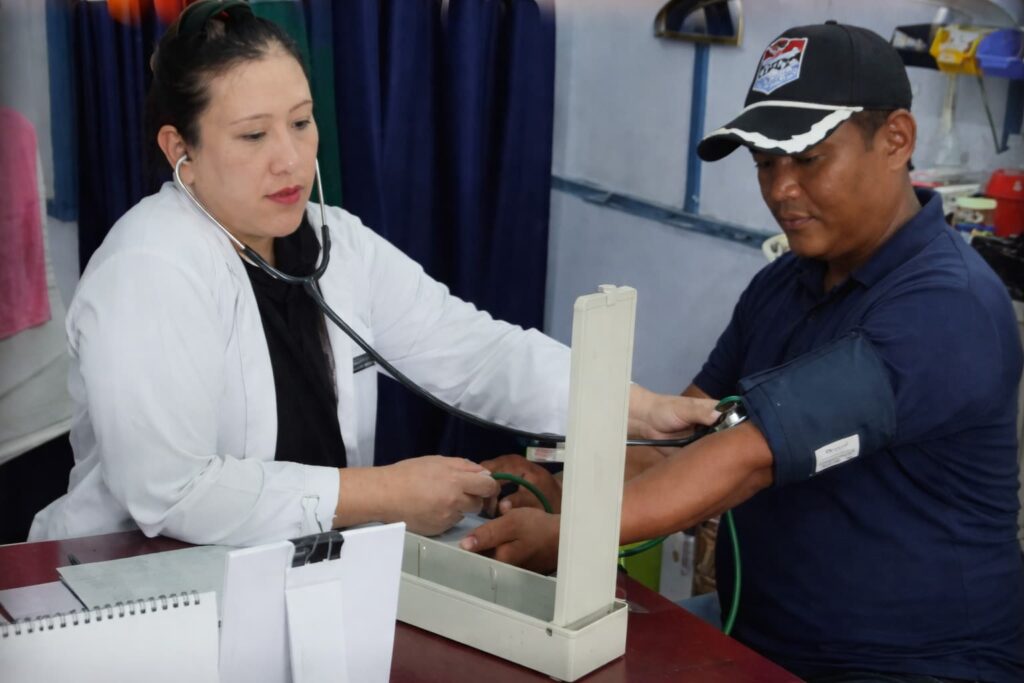
One important aspect of this update is that it is expected to be implemented in phases. This means it will likely begin with pilot testing in selected locations before expanding nationwide.
This phased approach gives beneficiaries a valuable advantage. It provides time to prepare before the system becomes mandatory.
Waiting until the last moment could lead to unnecessary stress. Early preparation can ensure a smoother transition.
Practical checklist every echs beneficiary should follow
To avoid future issues, a few simple steps can make a big difference.
First, update your Aadhaar biometrics if they are old or frequently fail. This is especially important for senior citizens, as biometric accuracy can change over time.
Second, ensure that your mobile number linked to Aadhaar is active. Many systems use OTP as a backup verification method.
Third, check that your details match across all documents. Even small differences in name spelling or date of birth can cause verification failures.
Fourth, keep all important documents in one place. Aadhaar card, ECHS card, and PPO details should be easily accessible during verification.
Finally, stay informed about verification drives. These may be conducted at Station Headquarters, ECHS centres, or through outreach camps.
Common problems and how to handle them?
Understanding potential issues in advance can help avoid panic later.
If fingerprints do not match, consider updating biometrics and ask about alternative methods such as iris scans or OTP-based verification.
If there is a name mismatch, correct Aadhaar details first before updating ECHS records.
If Aadhaar is not linked to a mobile number, visit an authorised centre to update it.
If dependent details are outdated, ensure each dependent has valid Aadhaar information linked correctly.
These small corrections can prevent major disruptions when the system goes live.
What to carry during verification?
When visiting a verification camp or centre, it is advisable to carry:
- Aadhaar card
- ECHS card
- PPO details or reference
- A mobile phone linked to Aadhaar
Keeping photocopies as backup is also a smart practice.
The bigger picture: reform vs inconvenience
This move represents a classic policy trade-off.
On one hand, Aadhaar-based authentication can significantly reduce fraud, protect public funds, and streamline service delivery.
On the other hand, it introduces a dependency on technology and biometric accuracy, which may not always work perfectly for elderly users.
The success of this initiative will depend on how flexible and inclusive the system is. If alternative verification options are provided and ground-level support is strong, the benefits can outweigh the challenges.
If not, even a well-intentioned reform could become a barrier for those who need the system the most.
This is not just a policy update. It is a shift in how healthcare access may be managed under ECHS going forward.
The smartest approach right now is simple. Do not wait for problems to arise. Take proactive steps, update your records, and stay informed through official channels.
For families of veterans, this is also the time to step in and assist elderly members in completing these updates.
Because in the end, the goal is clear. A system where genuine beneficiaries receive timely, secure, and hassle-free healthcare.
And whether this change achieves that goal will depend not just on policy, but on preparation at the ground level.

Leave a Reply