

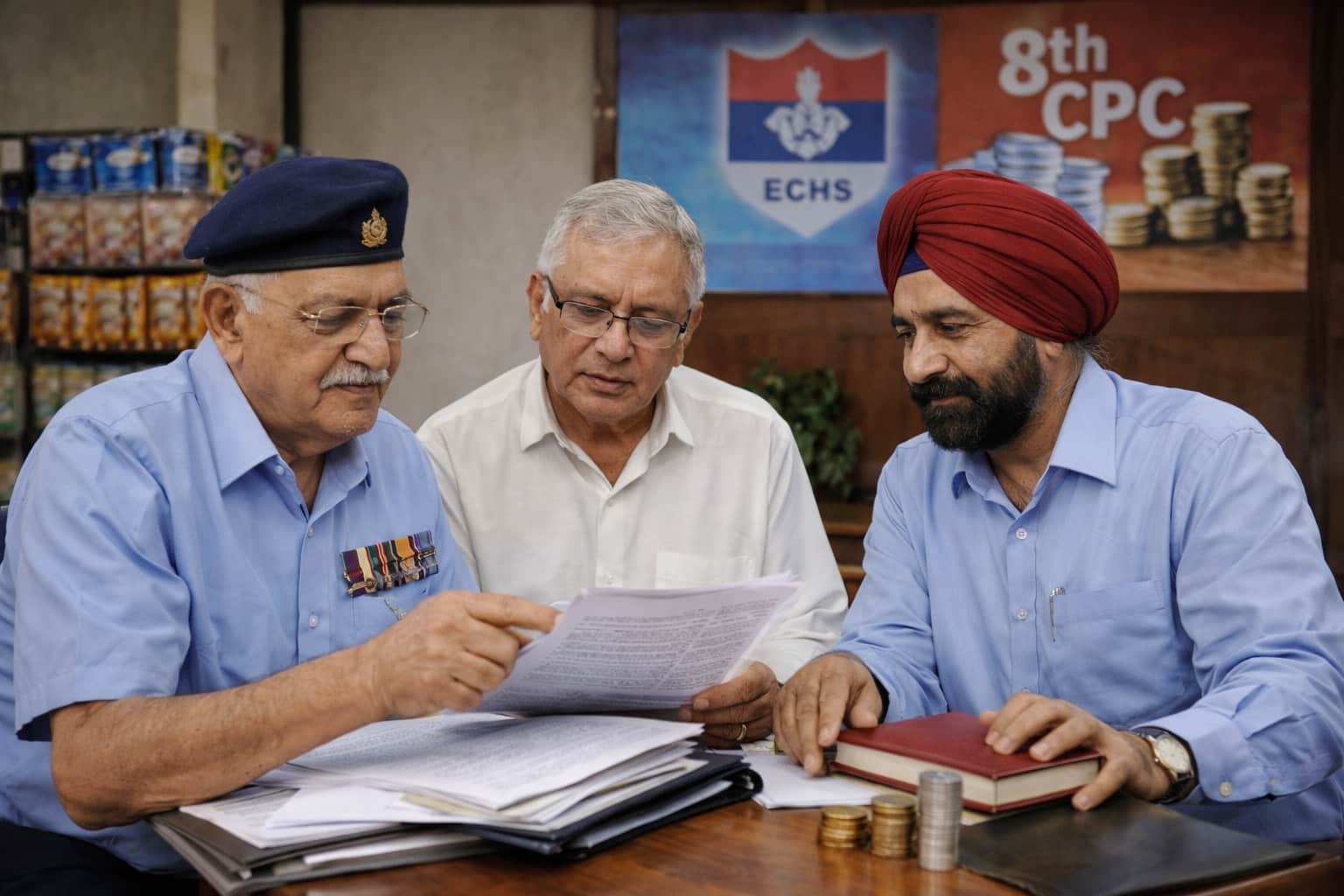
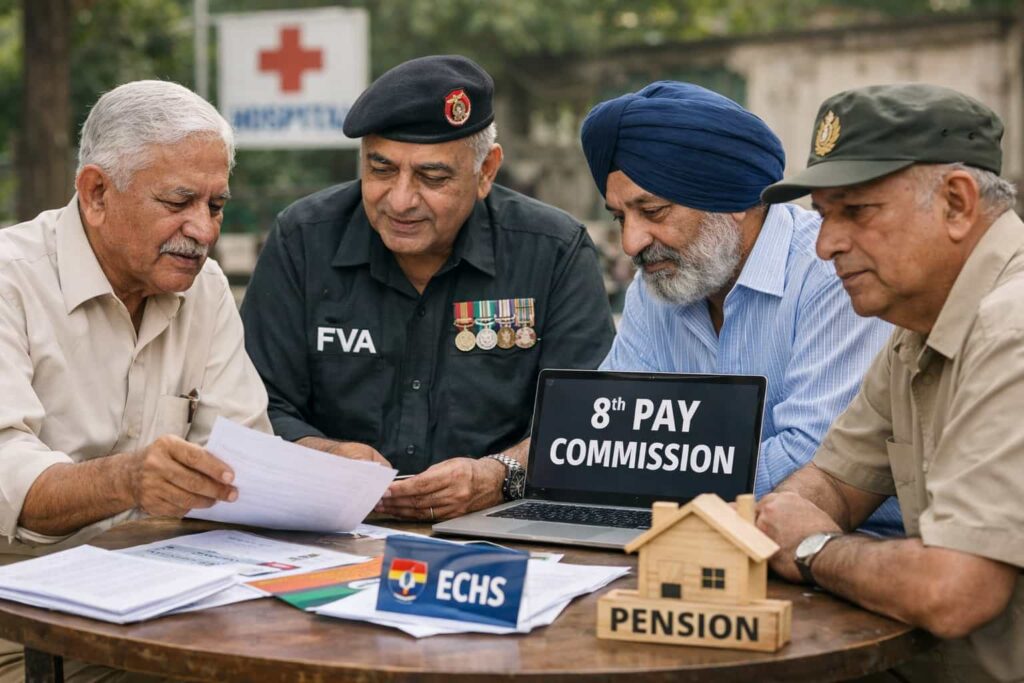
The role of defence welfare associations has become increasingly important in recent years, especially as the needs of ex-servicemen, their families, and dependents continue to evolve. Organisations like the Federation of Veterans’ Associations (FVA) have emerged as key voices representing the interests of the fauji community across multiple areas such as pension, healthcare, legal rights, and welfare benefits.
For many veterans, navigating post-service life is not always straightforward. Questions around pension entitlement, access to medical facilities, delays in benefits, and policy changes often create uncertainty. This is where structured welfare organisations step in, acting as a bridge between the community and the system.
This blog explores how defence welfare associations are actively shaping key areas such as pension reforms, ECHS healthcare access, CSD benefits, and the upcoming 8th Pay Commission discussions.
The growing importance of defence welfare associations
Defence welfare associations are not just support groups. They play a much larger role in representing collective concerns and pushing for policy-level improvements. Their importance lies in three key areas.
First, they act as a voice for ex-servicemen and their families, ensuring that issues do not remain limited to individual cases but are highlighted at a national level.
Second, they help in policy advocacy, where structured feedback is provided to the Ministry of Defence and other government bodies on issues such as pension anomalies, healthcare access, and welfare schemes.
Third, they contribute to awareness and guidance, helping veterans understand their rights, procedures, and available benefits through digital platforms, outreach programs, and public discussions.
In many cases, these associations have been instrumental in bringing long-standing issues into mainstream policy discussions.
Pension Welfare remains the central concern
Among all welfare issues, pension continues to be the most critical for ex-servicemen. It directly affects financial stability after retirement and determines long-term security for families.
There are multiple types of pensions available within the defence framework, including service pension, family pension, disability pension, and special pensions linked to operational conditions. However, the challenge has often been in the implementation and consistency of these benefits.
Defence welfare associations have played a key role in addressing:
- pension anomalies across different ranks and service periods
- delays in pension disbursement and arrears
- interpretation issues in pension rules
- grievance redressal through pension adalats
One of the most significant contributions in this space has been the continued push for One Rank One Pension (OROP) and its refinement over time. While OROP has already been implemented, discussions around anomalies and revision cycles continue, with associations actively participating in these debates.
8th pay commission and the Expectations ahead
With the 8th Central Pay Commission now formally constituted, expectations across the defence and civilian community have once again intensified. For ex-servicemen, the focus is not just on salary revision but also on how pension structures will evolve.
Defence welfare associations, including FVA, are expected to play an important role in this phase by:
- submitting structured representations
- highlighting ground-level challenges faced by veterans
- pushing for fair fitment factors and pension revision formulas
- ensuring that defence-specific issues are not diluted in broader recommendations
The outcome of these discussions will have a long-term impact on both serving personnel and pensioners, making this a critical phase for engagement.
ECHS and the challenge of Healthcare Access
Healthcare remains another major pillar of veteran welfare, and the Ex-Servicemen Contributory Health Scheme (ECHS) is at the centre of this system. The scheme provides access to medical facilities through a network of polyclinics and empanelled hospitals across the country.
While ECHS has significantly improved healthcare access, several practical challenges still exist:
- delays in reimbursement
- limited availability of empanelled hospitals in certain areas
- documentation and verification issues
- difficulties faced by elderly beneficiaries
Defence welfare associations continuously raise these concerns and work towards improving the system. Their efforts include pushing for:
- expansion of ECHS infrastructure
- simplification of processes
- better grievance redressal mechanisms
- improved digital systems for beneficiaries
These improvements are crucial, especially as the veteran population continues to grow.
CSD benefits and evolving expectations
The Canteen Stores Department (CSD) has long been a key support system for defence families, offering access to essential goods at subsidised rates. However, expectations around CSD are also evolving with time.
Today’s discussions are no longer limited to physical canteens. There is increasing demand for:
- online access to CSD services
- doorstep delivery models
- better product availability
- transparent pricing and policies
Defence welfare associations have been actively involved in highlighting these needs, ensuring that the system adapts to changing lifestyles and accessibility requirements.
The recent discussions around a potential CSD e-commerce model reflect this shift towards modernization.
Legal support and awareness for veterans
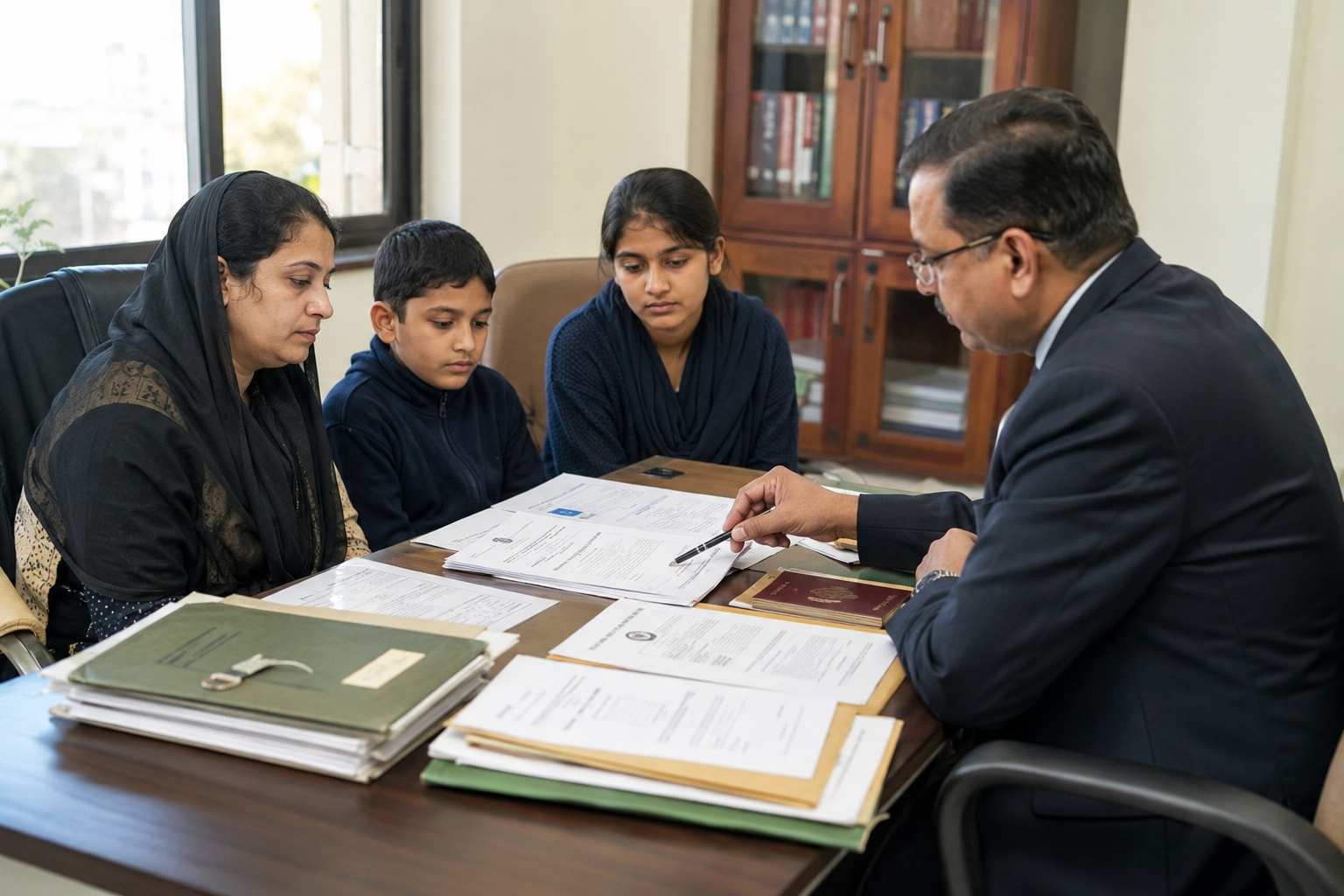
One of the most important yet often overlooked areas is legal awareness. Many veterans are not fully aware of their rights, especially when it comes to service benefits, pension claims, or administrative delays.
Defence welfare associations help bridge this gap by:
- guiding veterans on legal procedures
- supporting representation in tribunals and courts
- highlighting landmark judgments
- creating awareness about rights and entitlements
This role becomes especially important in cases where administrative delays or interpretation issues lead to denial of benefits.
the role of digital platforms and awareness
In today’s environment, digital platforms have become a powerful tool for spreading awareness. YouTube channels, websites, and social media platforms are playing a key role in ensuring that information reaches a wider audience.
Defence welfare organisations are increasingly using these platforms to:
- share updates on policies and rules
- explain complex topics in simple language
- highlight important court orders and decisions
- engage directly with the community
This shift has made information more accessible and has empowered veterans to take informed decisions.
final takeaway
Defence welfare associations, particularly organisations like FVA, have become an essential part of the support system for ex-servicemen and their families. Their role goes far beyond advocacy. They act as connectors, educators, and representatives of a community that has served the nation.
From pension reforms and healthcare access to legal awareness and policy engagement, their contribution is shaping the future of veteran welfare in India.
For veterans and their families, staying connected with such organisations and keeping track of verified updates can make a significant difference. As policies evolve and new reforms emerge, the role of these associations will only become more important.
In the end, welfare is not just about benefits. It is about ensuring dignity, security, and respect for those who have dedicated their lives to the nation.
Leave a Reply