


India’s defence manufacturing story has crossed a new mark.
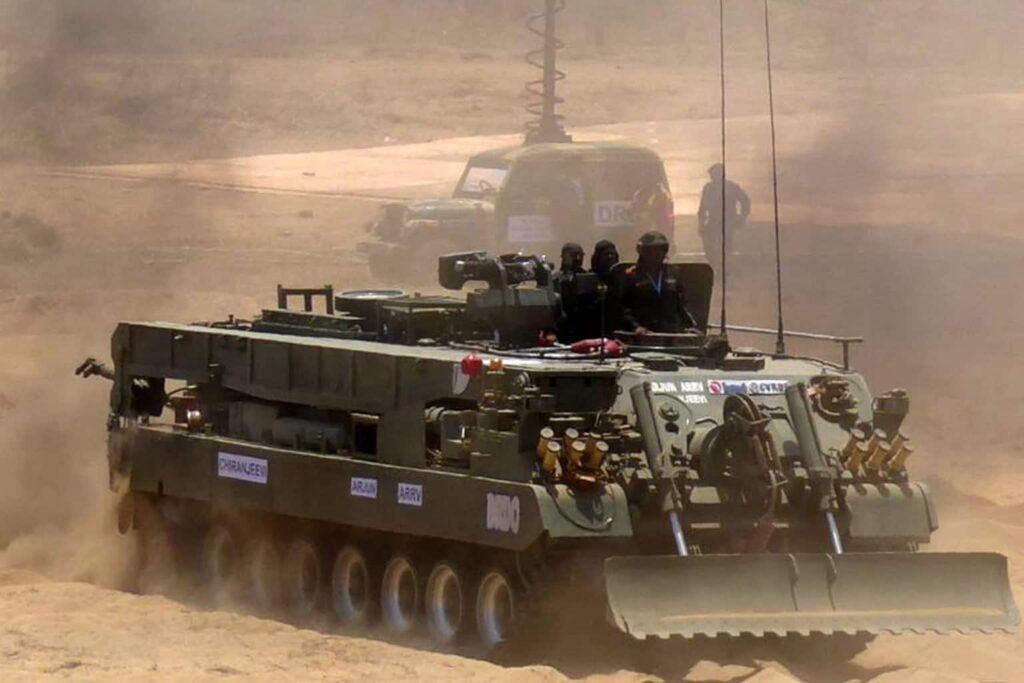
According to the official Ministry of Defence update, the country’s annual defence production reached ₹1.78 lakh crore in FY 2025–26, the highest level recorded so far. The number is important because it shows a 15.6% rise over the previous financial year and a 110% increase from FY 2020–21.
This is not only a defence-industry headline.
It is a sign that India is trying to build a stronger military supply base inside the country. For a nation with large armed forces, long borders and fast-changing security needs, domestic manufacturing is not optional. It is a strategic requirement.
Why this production milestone matters?
Defence production is not just about factories making equipment.
It affects military preparedness, technology development, industrial jobs, exports, supply chains and national confidence.
When more defence equipment is produced within India, the country gets better control over availability, maintenance, upgrades and spare support. This matters during crises because foreign supply chains can be affected by war, sanctions, delays or political pressure.
A strong domestic defence industry gives the Armed Forces more dependable backing.
What the latest figure shows?
The ₹1.78 lakh crore figure shows that India’s defence manufacturing base is expanding.
The previous year’s production was around ₹1.54 lakh crore, so the increase is significant. The official update also says production has more than doubled since FY 2020–21, when it was ₹84,643 crore.
This growth reflects a larger shift in defence policy.
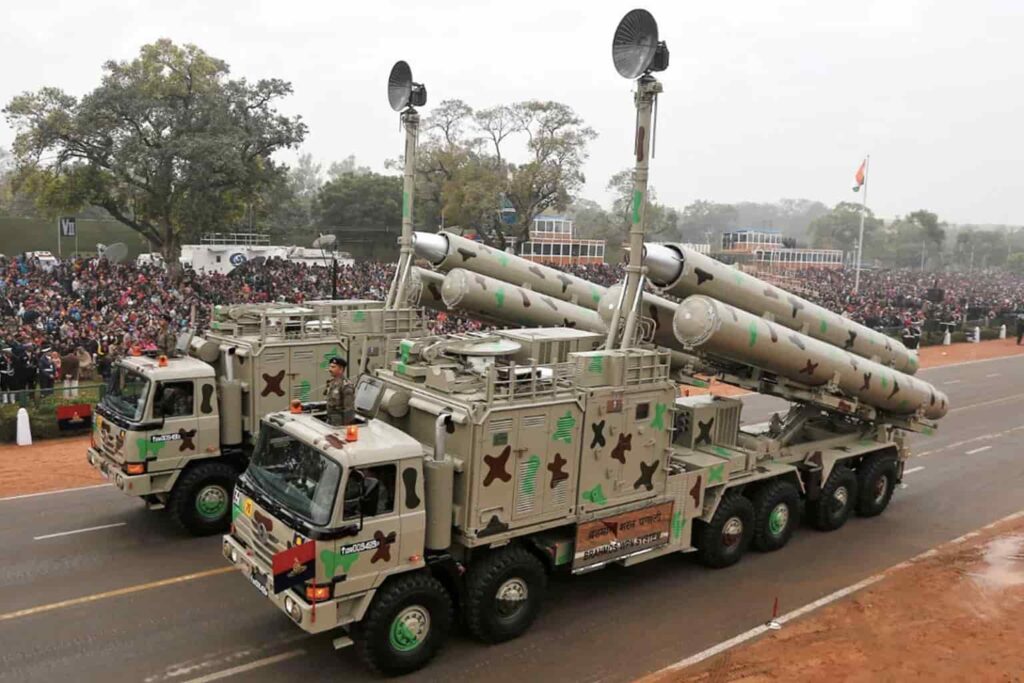
India is no longer looking only at buying finished systems from abroad. It is also trying to produce, assemble, upgrade, repair and export more from within the country.
Public sector remains strong, private sector is growing
The defence public sector still carries the larger production share.
But the private sector is no longer standing outside the gate. It is becoming part of the defence ecosystem through components, electronics, drones, communication systems, vehicles, maintenance solutions, materials and specialised manufacturing.
The official update mentions that the private sector’s production contribution reached an all-time high of around ₹42,000 crore.
This is important because modern defence production cannot depend only on a few large public units. It needs a wider industrial chain: big companies, MSMEs, start-ups, testing agencies, design teams and skilled workers.
Why this is also a jobs story?
Defence manufacturing creates employment beyond uniformed service.
A growing defence industry needs engineers, welders, machinists, software teams, electronics technicians, quality inspectors, supply-chain staff, project managers, tool-room workers, logistics teams and safety supervisors.
This also opens doors for ex-servicemen and defence-background professionals.
Veterans with experience in technical maintenance, stores, logistics, procurement, quality control, workshop administration, equipment handling and training can find roles in defence production companies, MSMEs, industrial support units and skill-development projects.
So this milestone is not only about national security. It is also linked with skilled employment.
Why exports are important?
India’s defence production growth is happening alongside rising exports.
The government had earlier announced that defence exports touched a record ₹38,424 crore in FY 2025–26, showing strong growth over the previous year.
Exports matter because they test quality and competitiveness.
If Indian defence products find buyers in other countries, it improves the credibility of Indian industry. It also helps companies scale production, improve standards and invest in better technology.
A country that manufactures only for its own use has limited reach. A country that produces and exports builds strategic influence.
What Atmanirbhar Bharat means in defence?
Self-reliance in defence does not mean India will stop importing everything immediately.
It means India should reduce avoidable dependence in important areas and build domestic strength where possible.
This includes design, production, testing, repair, maintenance, upgrades, spare parts, ammunition, electronics, radars, vehicles, drones, missile systems, shipbuilding components and aerospace support.
The real aim is not just “Made in India” as a label. The aim is reliable capability, faster availability and stronger control over the supply chain.
Why quality and timelines will decide the next phase?
A higher production number is a positive signal, but the next test is harder.
India must ensure that defence products are delivered on time, meet operational standards, remain cost-effective and provide long-term support to the Armed Forces.
For soldiers, sailors and air warriors, the final question is practical:
Is the equipment reliable?
Are spares available?
Can it be repaired quickly?
Can it be upgraded?
Will it work in harsh conditions?
Production growth becomes meaningful only when it supports operational confidence.
What should readers not misunderstand?
This record does not mean India has become fully self-reliant overnight.
Several critical technologies may still require foreign support. Public sector units still form the larger share of total production. Private industry is rising, but it still has a long path ahead.
The correct reading is balanced: India has made strong progress, but deeper self-reliance will require continuous investment, better R&D, stronger private participation, MSME support and strict quality control.
Comment
The ₹1.78 lakh crore figure should be seen as a strategic signal.
It shows that India’s defence industry is moving from policy promise to production scale. But the real success will be measured not only by the size of production, but by how much it improves readiness, reduces dependence and creates high-quality Indian systems.
A defence factory does not strengthen the nation only when it produces more. It strengthens the nation when its product reaches the user on time and performs when needed.
That is the real benchmark.
Final takeaway
India’s defence production touching ₹1.78 lakh crore in FY 2025–26 is a major milestone for Atmanirbhar Bharat and the defence economy.
It shows strong growth in domestic manufacturing, rising private-sector participation, a larger industrial base and export momentum.
For the Armed Forces, it can mean better supply confidence in the long run. For industry, it means more opportunities. For skilled workers and veterans, it can open new employment pathways.
India’s next challenge is clear: produce more, but also produce better, faster and with stronger indigenous technology.
That is when defence production will become true defence strength.
Sources:-
PIB official release:
Defence production soars to a record Rs 1.78 lakh crore in FY 2025–26
https://www.pib.gov.in/PressReleasePage.aspx?PRID=2273824&lang=1®=48
MoD PDF on defence exports FY 2025–26:
https://mod.gov.in/sites/default/files/Defence-exports-skyrocket-to-record-in-Financial-Year-2025-26.pdf
Department of Defence Production:
https://www.ddpmod.gov.in/
PIB background on defence Atmanirbharta:
https://www.pib.gov.in/PressReleasePage.aspx?PRID=2191937&lang=2®=3





Leave a Reply