

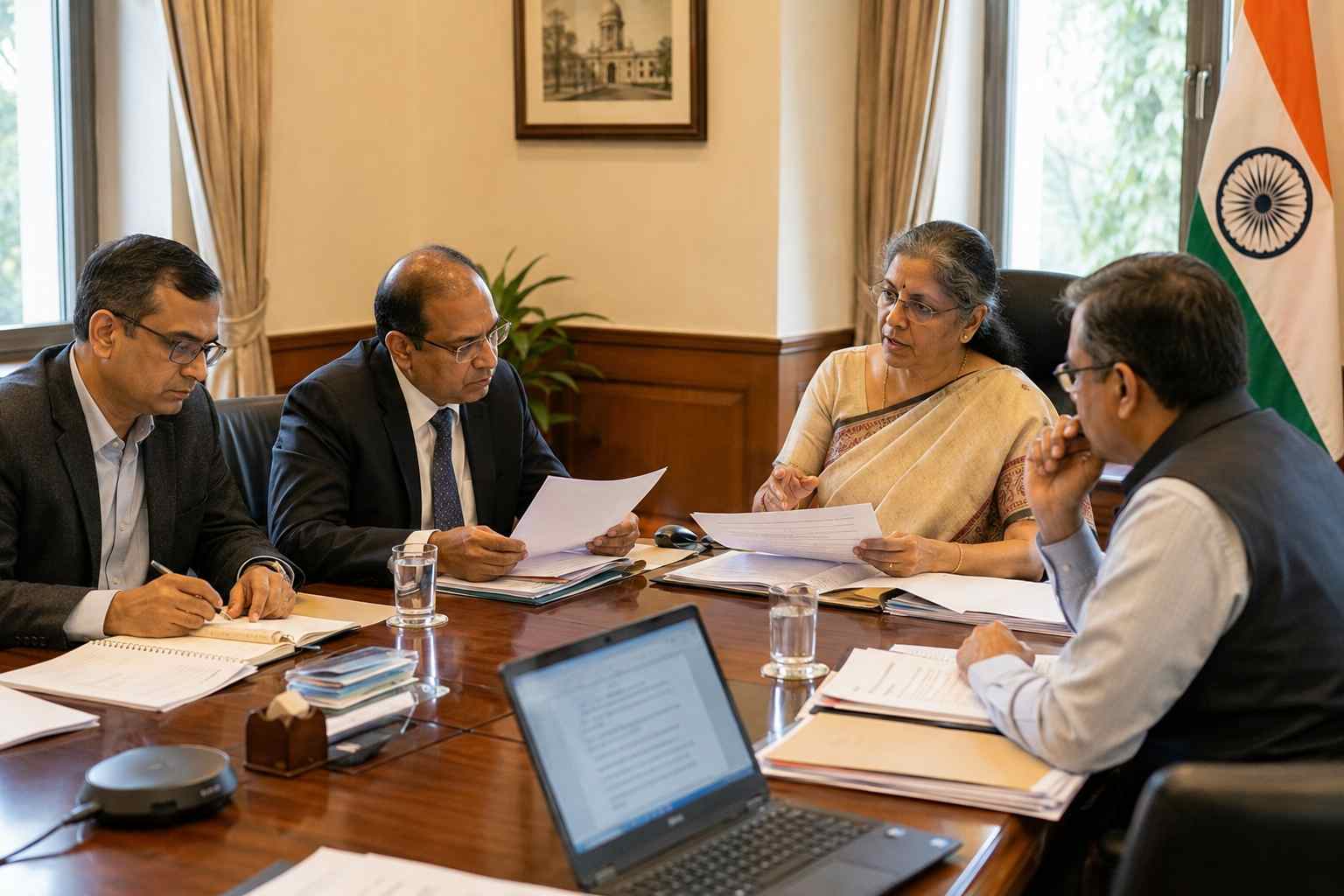
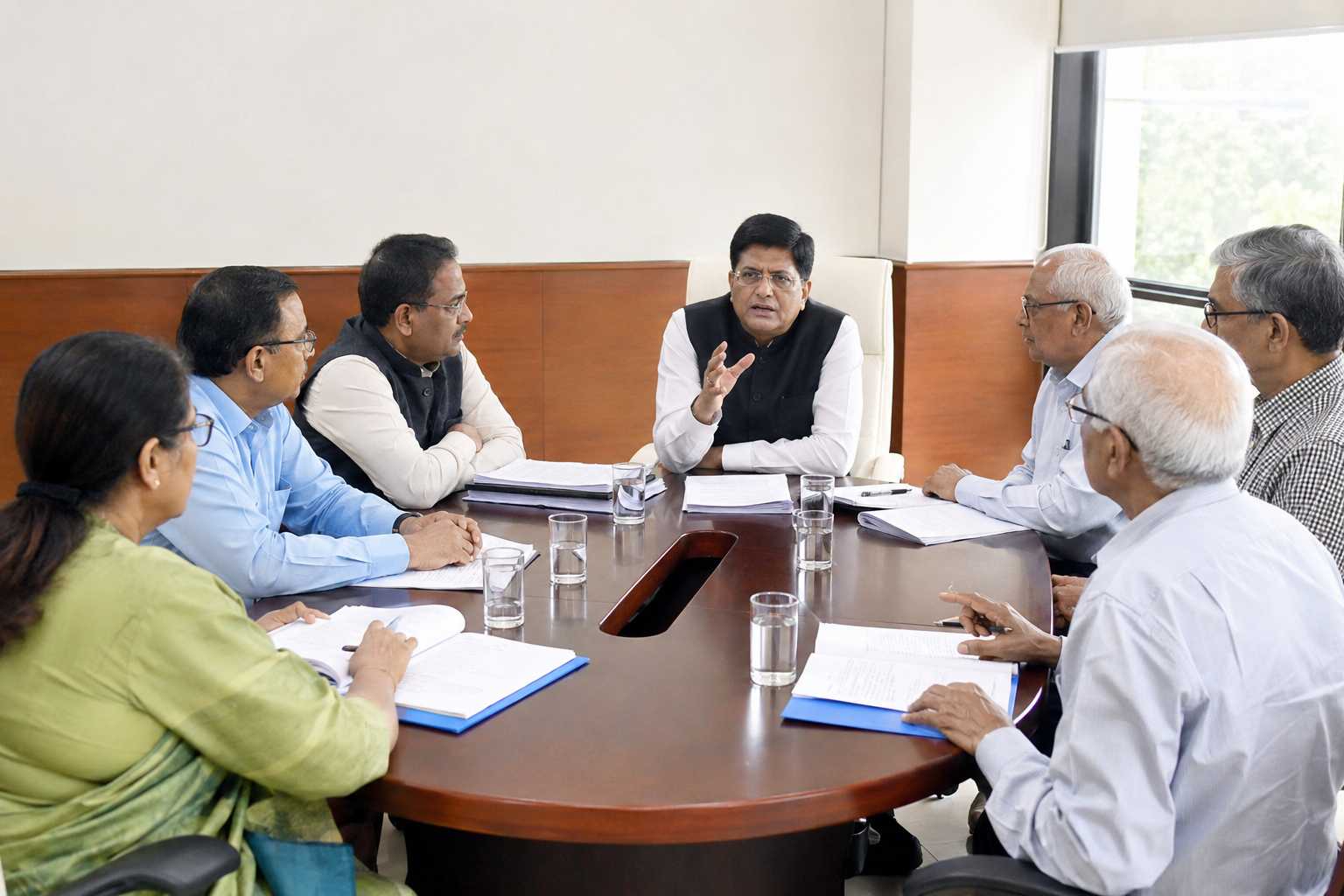
The 8th Central Pay Commission has issued a fresh official notice for Delhi interactions on 13 and 14 May 2026, showing that the consultation process is still widening. For central government employees, railway staff, serving defence personnel, retired defence pensioners, ministries, departments, associations and pensioner bodies, this is a reminder that the Commission is now actively hearing formal representations, not just publishing notices.
For months, the 8th Pay Commission was discussed mostly through expectations. Employees talked about fitment factor, pensioners tracked minimum pay debates, and associations prepared long lists of demands. But a Pay Commission becomes truly important only when it starts moving from paperwork to actual interaction. That is why the latest Delhi notice matters. The official What’s New page of the 8th Central Pay Commission lists a fresh item dated 6 May 2026 for 8CPC interactions at Delhi on 13 and 14 May 2026.
At first glance, this may look like a routine scheduling update. In reality, it is much more than that. Every fresh interaction notice shows that the Commission is widening its consultation stage and continuing to build the record on which its final recommendations will rest. That means central government employees, railway staff, pensioners, unions, associations, ministries, departments, serving defence personnel, retired defence pensioners and wider Ministry of Defence stakeholders should treat this phase seriously. The real shape of the 8th CPC will not be decided by rumours or social media excitement. It will be shaped by the quality of the submissions and discussions taking place now.
The Delhi notice is especially significant because Delhi is not just another venue. It is the centre of central government administration and naturally a major point for employee bodies, pensioner organisations, departmental representatives and service associations. It is also an important coordination point for large national federations, including those representing railway staff and defence-related concerns. When the Commission schedules interactions in Delhi, it creates an opening for organised stakeholders to place their issues directly in the consultation chain.
Another reason this update matters is that it comes alongside a clearer official process. The Commission’s Link for Appointment/Meeting page lists separate links for Hyderabad, Srinagar, Ladakh, and Delhi 13-14 May 2026. That means the appointment mechanism is no longer confined to earlier city visits. Delhi has now been added to the same formal structure, making the process easier to follow. Stakeholders are not left guessing how to seek interaction. The route is visible on the official site.
But the most important practical point remains unchanged: memorandum submission comes first.
The official 8CPC Memorandum Submission page makes it clear that representations, memoranda and suggestions are invited from a very wide group, including Central Government Employees, personnel belonging to Defence Forces, pensioners, service associations, unions, and Central Government Ministries/Departments/Organizations/UTs. That means the consultation window clearly covers railway employees through the broader central government employee category, and it also covers both serving and retired defence-side stakeholders through the defence personnel and pensioner categories. The same page also clearly says that submissions must be made only through the specified online link, and that paper-based memoranda, hard copies, PDFs and emails are not being entertained. The deadline shown there is 31 May 2026.
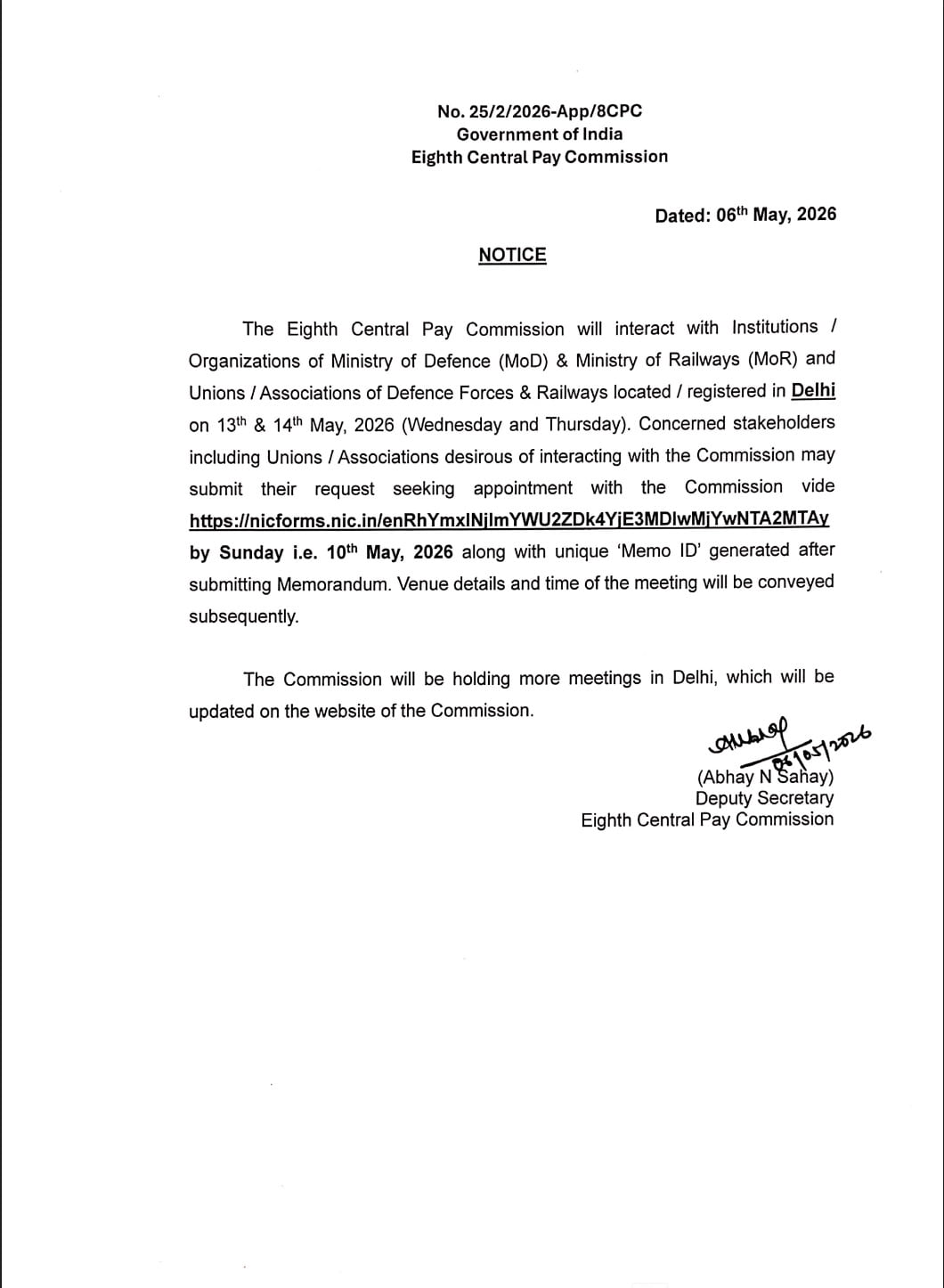
This is important because many readers still assume that a letter, forwarded file, email, or informal representation may be enough. The official process says otherwise. If a stakeholder wants to be taken seriously by the Commission, the issue has to enter the system in the correct format and through the authorised route. That is the difference between discussion and formal representation. It also means that groups hoping to take advantage of the Delhi interactions should not focus only on the meeting. They should focus first on the strength of the memorandum they are placing before the Commission.
For employees, this is the stage to move beyond slogans. A good memorandum is not a collection of emotional lines. It is a structured document that clearly states the issue, explains the present problem, identifies the affected category, and suggests a workable correction. If the subject is minimum pay, fitment factor, annual increment, HRA, TA, promotion anomaly, pension revision, commutation, family pension, medical access, or a service-specific issue affecting railway employees or ministry staff, the representation should explain exactly what is wrong and what is being sought. That is far more effective than sending a general complaint.
For pensioners, the latest Delhi interaction notice is equally relevant. Pensioners are no longer passive observers in the 8th CPC process. Many of the current national debates, whether around pension revision, fitment expectations, family pension, commutation, gratuity, medical support or parity questions, directly affect retired employees. Since the Commission has officially invited memoranda from pensioners and retired employees’ associations, this stage gives them a formal opportunity to put long-standing concerns on record before the recommendation stage hardens.
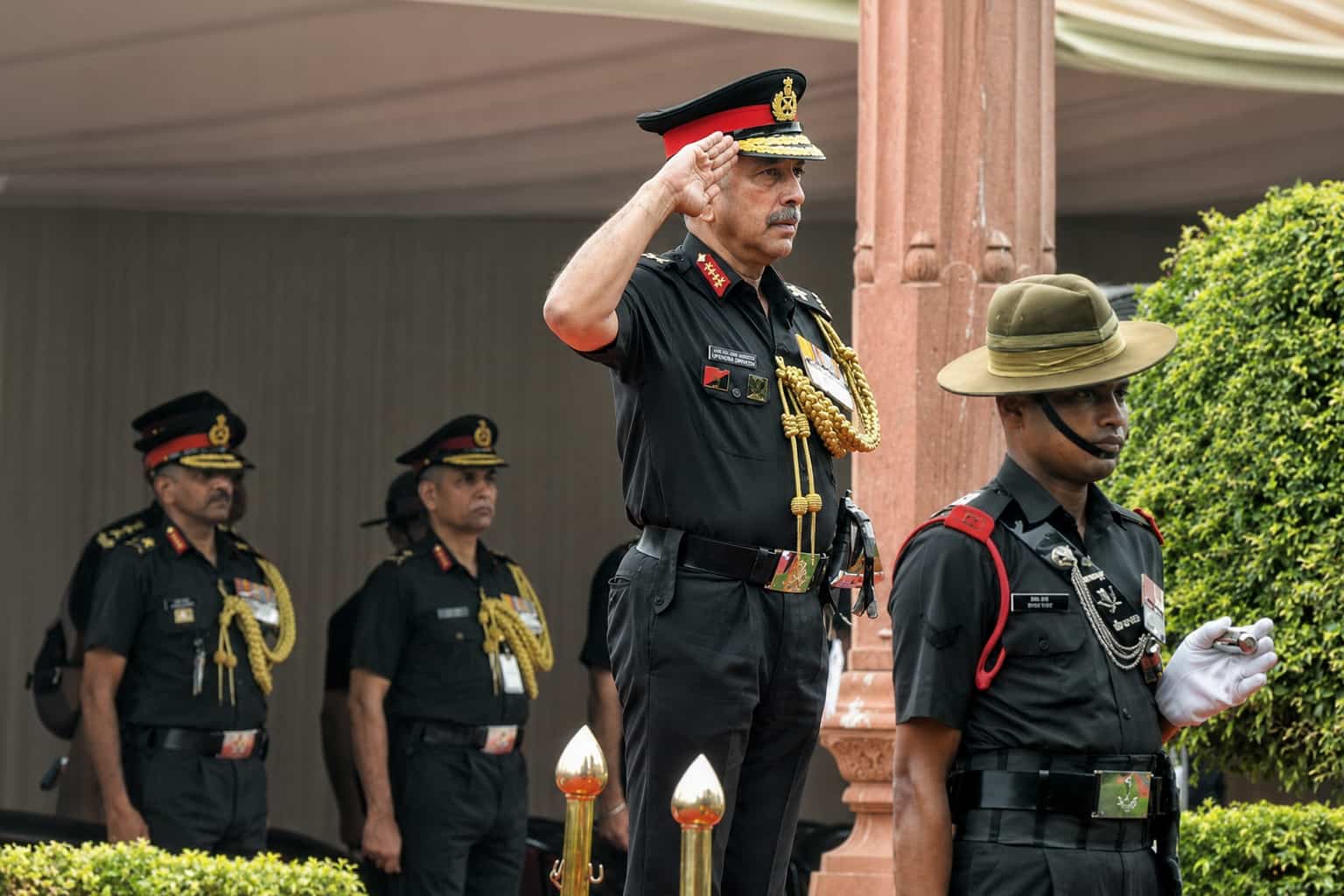
The same is true for defence stakeholders. The memorandum page explicitly includes personnel belonging to Defence Forces, which means the consultation process is not limited to civilian office matters. So this Delhi notice is especially important for serving defence personnel, retired defence pensioners, ex-servicemen, widows, and Ministry of Defence-linked stakeholders who want their pay, pension, hardship, medical, commutation, disability, OROP-linked, or other service-specific concerns properly documented. Delhi also matters in practical terms because many defence and policy representations are coordinated from there.
The bigger lesson from the Delhi notice is that the 8th Pay Commission is now in a serious listening phase. Its recent official updates have included city visits, appointment links and a deadline extension for memoranda. Put together, these show that the Commission is actively gathering material, meeting stakeholders and widening the consultation net before drafting its final recommendations. In other words, the 8th CPC is no longer only about what people expect it to do. It is now about what stakeholders are actually putting before it.
For readers, the message is simple. The latest Delhi interaction notice is not just another entry on the website. It is a reminder that the window to influence the 8th CPC is open right now. If a railway body, pensioner organisation, defence association, Ministry of Defence stakeholder group, or any central government employee federation has a serious issue, this is the time to submit it through the official route and follow the appointment process properly. Once the recommendations are prepared, the space to add missing issues becomes much smaller.
That is why this latest Delhi update matters. It shows that the Commission is still moving, still listening and still collecting formal inputs. And in the life of a Pay Commission, that stage is often more important than the headlines that come later.
Leave a Reply