

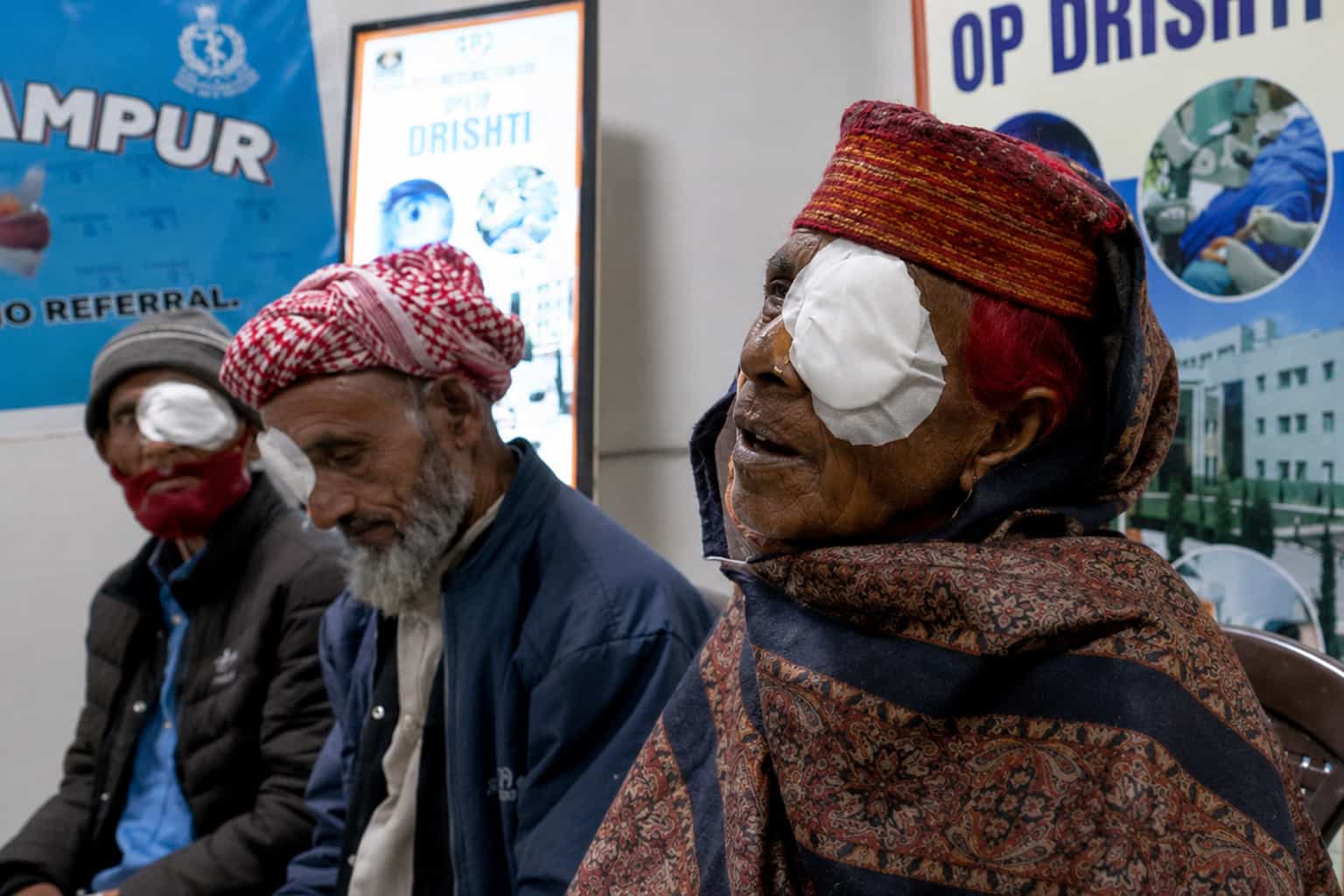
Operation DRISHTI Ranchi is being conducted at Military Hospital Namkum from 15–19 June 2026. Army and IAF specialists will provide 200+ free advanced eye surgeries for ex-servicemen, dependents and civilians.
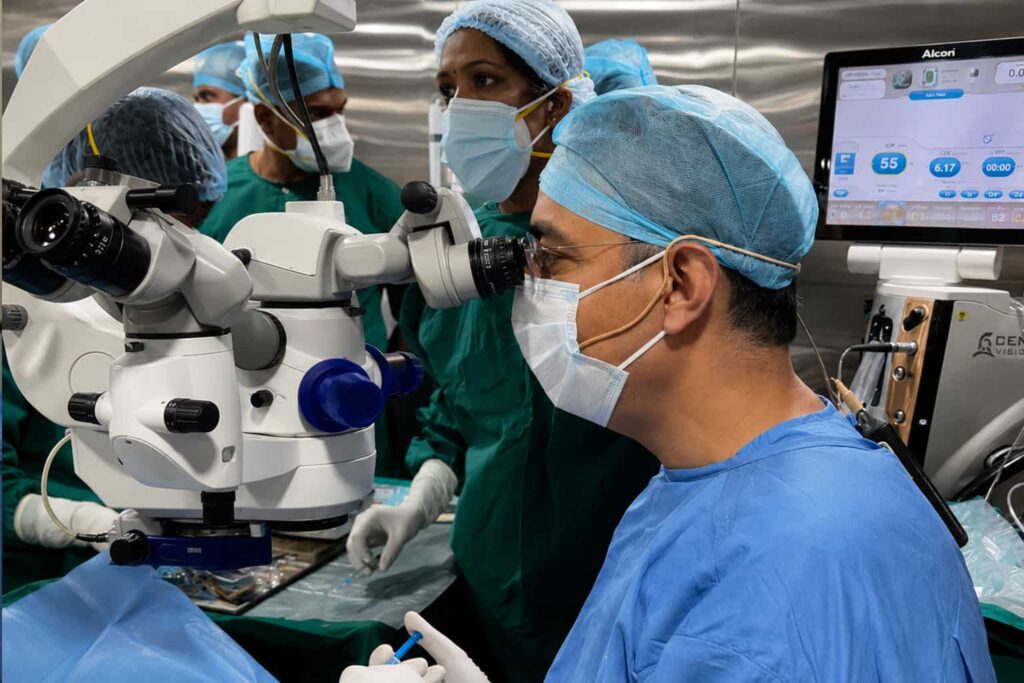
Operation DRISHTI has brought an important healthcare update for veterans and families in Jharkhand.
At Military Hospital Namkum, Ranchi, a specialised Army-IAF ophthalmic team is conducting an advanced surgical eye camp from 15 June to 19 June 2026. The official update says the camp aims to provide more than 200 free advanced eye surgeries to ex-servicemen, serving dependents and underprivileged civilians.
This is not a routine medical camp.
It is a specialist outreach effort where military medical capability, advanced eye equipment and inter-service coordination are being used to reach people who may otherwise delay treatment due to cost, distance or lack of access.
Why this Ranchi eye camp matters?
For an elderly veteran or dependent, weak eyesight can change daily life completely.
Reading pension papers becomes difficult. Travelling alone becomes unsafe. Managing medicines becomes risky. A simple household routine can become dependent on others.
That is why eye treatment is not only about vision. It is about dignity, confidence and independence.
Operation DRISHTI Ranchi matters because it brings advanced treatment closer to beneficiaries instead of expecting every patient to travel to a major metro hospital.
Who will benefit from Operation DRISHTI Ranchi?
The official update mentions three important beneficiary groups:
Ex-servicemen
Serving dependents
Underprivileged civilians
This makes the camp wider than a defence-only facility. It supports veteran welfare, serving-family care and community healthcare at the same time.
For 8thpaycommissions.in readers, this is also a useful reminder that welfare for defence personnel and government-linked communities is not limited to salary, pension or allowances. Healthcare access is also a major part of real welfare.
What treatments are being provided?
The Ranchi camp is focused on advanced eye procedures, not only basic screening.
The treatments mentioned include:
Cataract phacoemulsification
Minimally Invasive Glaucoma Surgery
Anti-VEGF intravitreal injections for vitreo-retinal diseases
In simple words, the camp is meant for serious eye conditions that need specialist care. Cataract can blur vision. Glaucoma can silently damage eyesight. Retinal problems can affect deeper eye health and require timely intervention.
By offering these procedures free of cost, the camp can reduce the financial burden on families and help patients receive treatment at the right time.
Army and IAF coordination makes the difference
One important feature of Operation DRISHTI Ranchi is the joint role of the Indian Army and Indian Air Force.
The Army medical system is providing the hospital base, specialists and surgical planning. The Indian Air Force has supported the movement of advanced medical equipment to Ranchi.
This coordination is important.
Advanced surgery needs more than doctors. It needs equipment, sterilisation, patient screening, logistics, transport, records and post-operative care. Military systems are trained to organise such work with discipline.
In this case, the same coordination that supports operations is being used for public healthcare.
Why advanced eye camps are needed outside big cities?
Specialist healthcare is often concentrated in large cities.
But veterans and civilians live everywhere: small towns, villages, semi-urban areas, tribal regions and remote districts. Many patients postpone eye treatment because travel and cost become difficult.
A camp like Operation DRISHTI helps bridge that gap.
It does not replace regular hospitals, but it creates a focused window where specialist doctors, equipment and beneficiaries come together in one place.
For patients who have been waiting for surgery, this can be life-changing.
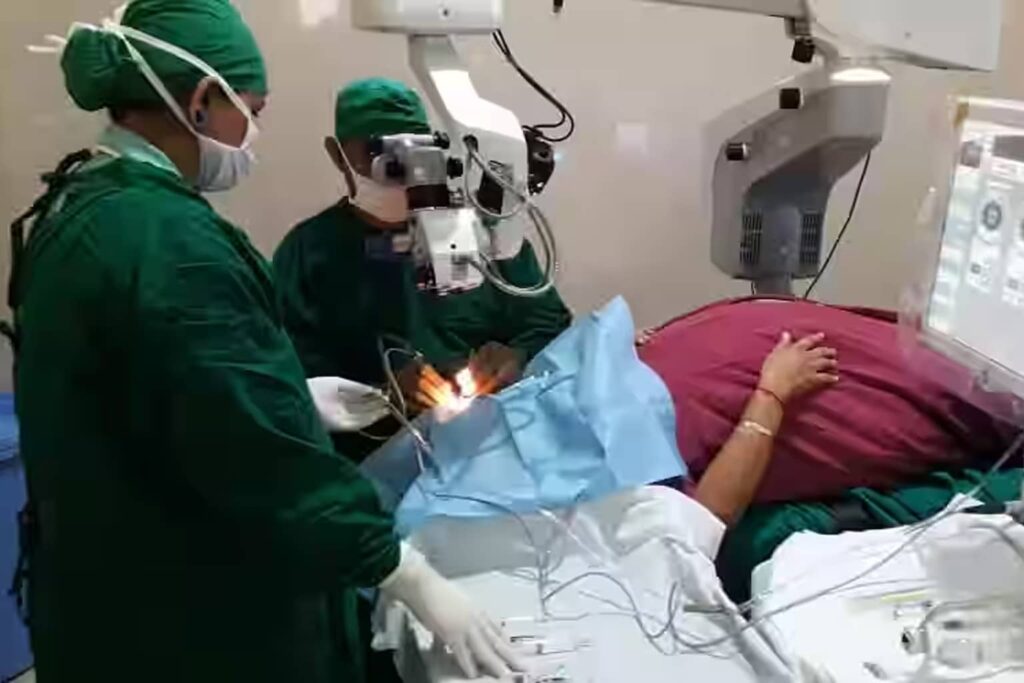
Operation DRISHTI is not a one-time effort
The Ranchi camp is a fresh update, but Operation DRISHTI has already been conducted in other regions.
The official background mentions earlier advanced surgical eye camps in locations such as Leh, Ladakh, Lakshadweep, Bhuj, Kutch and Bagdogra.
This shows that the initiative is developing as a repeated military healthcare outreach model.
The idea is simple: identify areas where advanced eye care is needed, move specialist capability there and treat patients who may otherwise remain underserved.
What should readers understand correctly?
There are a few facts that should not be misunderstood.
First, the update says more than 200 surgeries are planned. It should not be written as completed unless a later official update confirms completion.
Second, this is the Ranchi chapter of Operation DRISHTI, not the first-ever launch of the programme.
Third, the beneficiaries include ex-servicemen, serving dependents and underprivileged civilians.
Fourth, the camp is about advanced surgical eye care, not only a general eye check-up.
Accuracy matters because welfare news should help readers, not confuse them.
Why this is a strong welfare story?
This update shows that welfare is not always announced through big financial headlines.
Sometimes welfare means a veteran regaining clear vision.
Sometimes it means a dependent avoiding costly travel.
Sometimes it means a needy civilian getting access to advanced care without hospital bills.
For defence families, this kind of outreach carries emotional value. It shows that military institutions can serve society in peacetime through compassion, planning and specialist skill.
Comment
Operation DRISHTI Ranchi deserves attention because it connects healthcare with dignity.
A person who can see clearly can move better, read better, manage daily life better and live with more confidence. For elderly veterans, this matters deeply.
The Armed Forces are known for guarding the nation. But initiatives like this show another side of service: using discipline, expertise and coordination to improve lives away from the battlefield.
That is why this camp is more than a medical event. It is a practical example of military welfare reaching the ground.
Final takeaway
Operation DRISHTI Ranchi is being conducted at Military Hospital Namkum from 15–19 June 2026.
Army and IAF specialists are providing advanced eye-care support, with more than 200 free surgeries planned for ex-servicemen, serving dependents and underprivileged civilians.
The camp includes cataract, glaucoma and vitreo-retinal treatment support through specialised procedures.
For veterans and families, the message is clear: timely healthcare can protect dignity, independence and quality of life.
Operation DRISHTI Ranchi is a positive welfare update because it brings advanced military medical care closer to those who need it most.
Sources:-
PIB official release:
https://www.pib.gov.in/PressReleasePage.aspx?PRID=2273747&lang=1®=3
PIB Hindi release:
https://www.pib.gov.in/PressReleaseDetail.aspx?PRID=2273747
PIB earlier Operation DRISHTI background:
https://www.pib.gov.in/PressReleasePage.aspx?PRID=2232336&lang=1®=1
Indian Army official website:
https://indianarmy.nic.in/
Indian Air Force official website:
https://indianairforce.nic.in/


Leave a Reply