


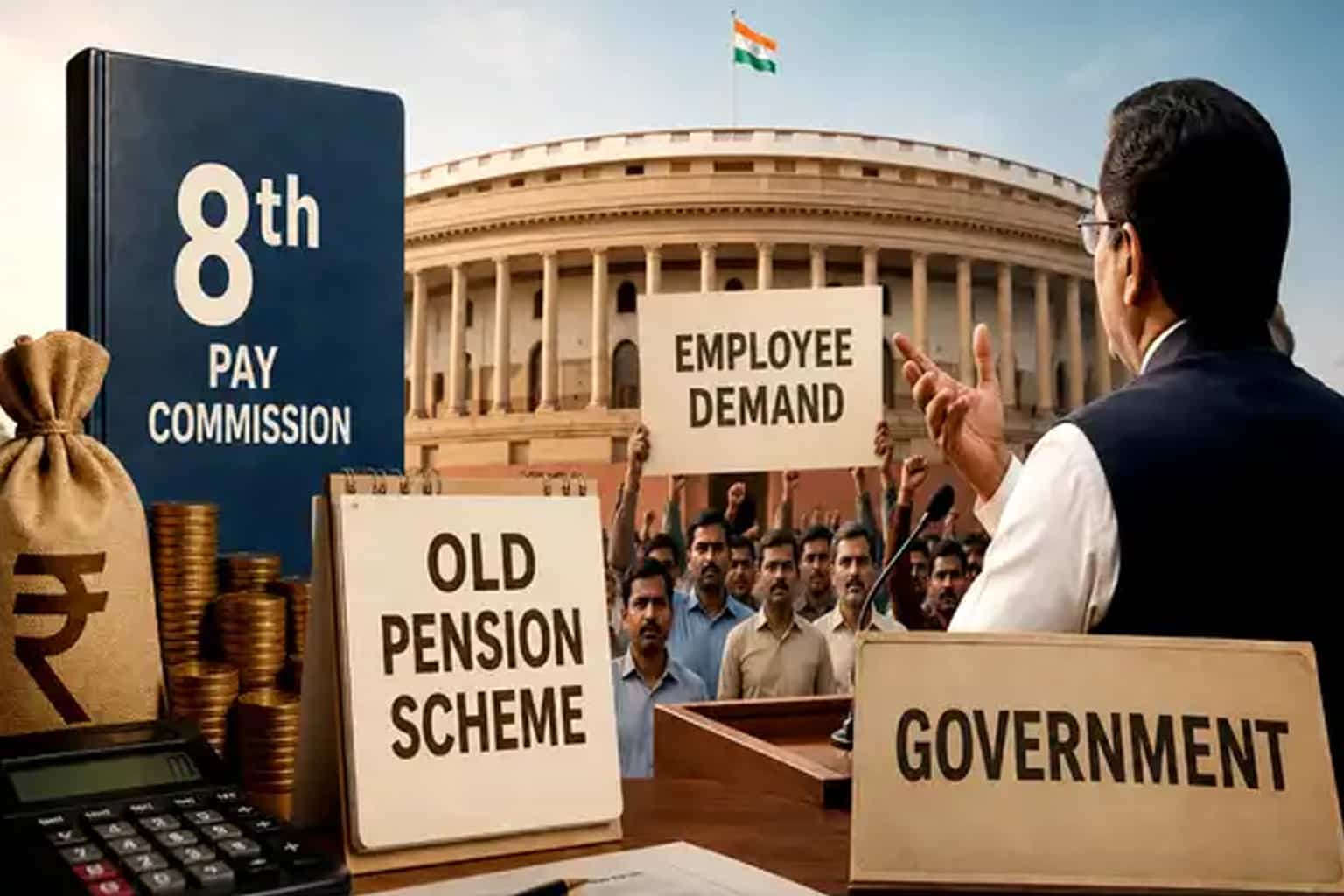
When people discuss the 8th Pay Commission, the conversation usually starts with salary hike, fitment factor and minimum pay. These are important issues, but they are not the full picture. For central government employees who are close to retirement, and for pensioners watching the next round of reforms carefully, one issue may become equally important: gratuity revision.
Gratuity is not a monthly benefit like pension, and it is not a routine allowance like HRA or TA. It is a one-time retirement benefit that often becomes the first major financial support after leaving service. For many employees, gratuity helps manage loan repayment, medical needs, family responsibilities, house repair, children’s education, marriage expenses or the shift from active salary to retired life.
That is why the 8th Pay Commission discussion should not be limited to only pay matrix and fitment factor. Retirement benefits deserve equal attention.
The 8th Central Pay Commission has already been appointed by the Government of India through the Gazette notification dated 3 November 2025. The Commission has Justice Ranjana Prakash Desai as Chairperson, Prof. Pulak Ghosh as Member (Part-Time), and Shri Pankaj Jain as Member-Secretary. Its mandate includes examining and recommending changes in pay, allowances and other benefits for categories including central government employees and defence forces personnel.
The important point for retirement planning is that the 8th CPC Terms of Reference include gratuity-related review. Publicly available summaries of the Gazette notification show that the Commission is expected to examine Death-cum-Retirement Gratuity for employees under the National Pension System, including the Unified Pension Scheme, and also review gratuity and pensions for those not under NPS.
This makes gratuity a serious 8th CPC issue.
The current confirmed position is also important. Under the 7th CPC framework, the Government increased the maximum limit of Retirement Gratuity and Death Gratuity from ₹20 lakh to ₹25 lakh after Dearness Allowance reached 50 percent. PIB stated that this enhancement is effective from 1 January 2024 and applies under the CCS (Pension) Rules, 2021 and the CCS (Payment of Gratuity under NPS) Rules, 2021. PIB also clarified that Retirement Gratuity and Death Gratuity depend on the basic pay last drawn and length of service rendered by the employee.
This is where the 8th CPC becomes important. If the pay matrix is revised, if basic pay is reset, and if future pension structures change, gratuity will again come into focus. Employees will naturally ask whether the current ₹25 lakh ceiling is sufficient for the next pay cycle, or whether the 8th CPC should recommend a higher and more future-ready ceiling.
However, one clarification is necessary. No new 8th CPC gratuity ceiling has been officially approved yet. Any claim that gratuity will definitely increase by a fixed amount under the 8th CPC should be treated as speculation unless it is backed by an official order. At present, the confirmed ceiling is ₹25 lakh, effective from 1 January 2024.
The real debate is not whether a new gratuity hike has already been approved. The real debate is whether the 8th CPC should recommend a fresh structure for gratuity that reflects inflation, revised basic pay, longer retirement needs and parity across pension systems.

For OPS employees, gratuity has traditionally been seen as part of the larger retirement package along with pension, commutation and leave encashment. For NPS-covered employees, gratuity became even more important because pension outcomes depend on market-linked accumulation and annuity conditions. For UPS employees, the question is how gratuity will sit alongside the new pension arrangement and whether retirement security will remain strong across categories.
This is why the 8th CPC should treat gratuity not as a side benefit, but as part of the retirement security framework.
The issue is especially important for employees retiring around the 8th CPC implementation period. A person retiring just before or just after a new pay structure can be affected by changes in basic pay, pension fixation, gratuity ceiling, commutation value and leave encashment. Even a small difference in the date of effect or formula can create a large difference in retirement benefits.
For pensioners and family pensioners, the concern is also practical. Medical expenses are rising. Many retired employees support dependents even after retirement. Senior citizens often face unexpected healthcare costs. A strong retirement-benefit package helps reduce financial vulnerability in the first years after service.
For defence personnel, the issue becomes even more sensitive. Many armed forces personnel retire earlier than civilian employees due to rank structure and service conditions. Their retirement planning often begins at a younger age, when family responsibilities are still active. For them, gratuity, pension, commutation, disability pension, OROP, ECHS and other benefits are interconnected. Defence-specific retirement realities must therefore be placed clearly before the Commission.
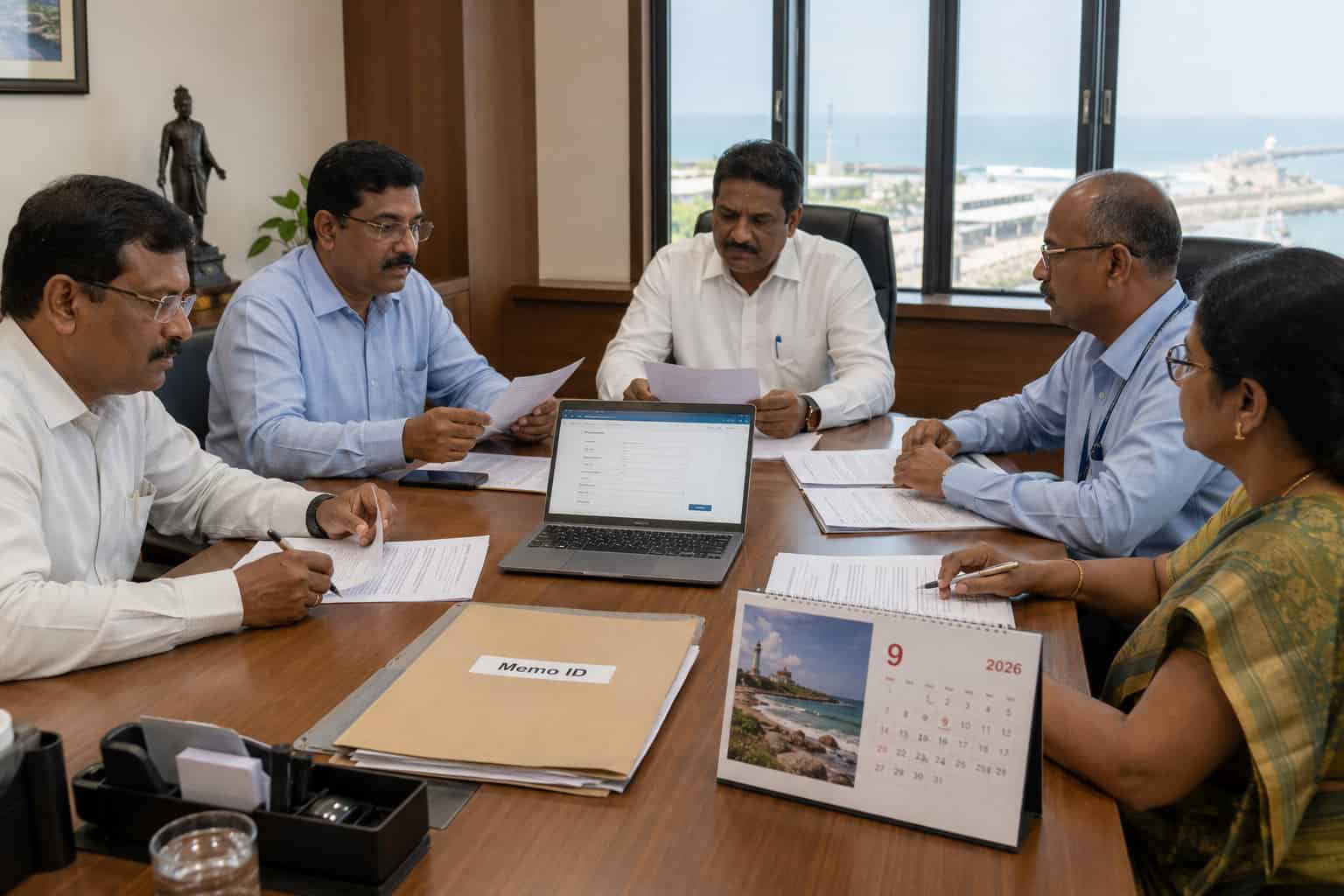
The memorandum stage gives employees, pensioners and associations a chance to raise this issue properly. The official 8th CPC memorandum page says the last date for submission of responses is 31 May 2026, and submissions must be made through the specified online link. The page also states that paper-based memoranda, hard copies, PDFs and emails are not being considered or entertained by the Commission.
The MyGov submission page also lists the online submission end date as 31 May 2026 and states that the Commission invites memorandums and suggestions from employees, defence forces personnel, pensioners, service associations, unions, ministries, departments and other listed categories.
This means gratuity-related demands should be submitted in a structured way before the deadline.
A strong memorandum should not simply say “increase gratuity.” It should explain why the present ceiling needs review, who is affected, how inflation has changed post-retirement needs, how revised basic pay may affect the logic of retirement benefits, and what kind of formula or ceiling is being requested.
Employees can raise practical questions. Should gratuity continue to be linked with DA-based automatic enhancement? Should the ceiling be revised after the 8th CPC pay matrix is implemented? Should NPS and UPS employees receive clear parity in gratuity protection? Should defence personnel retiring earlier receive special consideration due to service conditions? Should the formula better reflect long service and higher post-retirement expenses?
These questions are not only financial. They are about fairness.
The 8th CPC has been given 18 months to make its recommendations, and it may consider interim reports if needed after recommendations are finalised on any matter. That means the current period is the time for employees and associations to place retirement-benefit concerns clearly before the Commission.
For 8thpaycommissions.in readers, the takeaway is simple. Do not watch only fitment factor and minimum pay. Those numbers matter, but retirement benefits may decide how secure an employee feels after decades of service.
Gratuity is not a bonus. It is a recognition of long service and a practical support system at the point of retirement. If the 8th CPC is expected to create a modern pay and pension structure, it should also examine whether the current gratuity ceiling and formula are strong enough for the next decade.
The 8th Pay Commission will eventually shape salary, pension and allowances. But for employees close to retirement, one of the biggest questions may be this: will gratuity be revised in a way that truly protects retirement dignity?
That question deserves serious attention now, before the recommendations are finalised.


Leave a Reply