


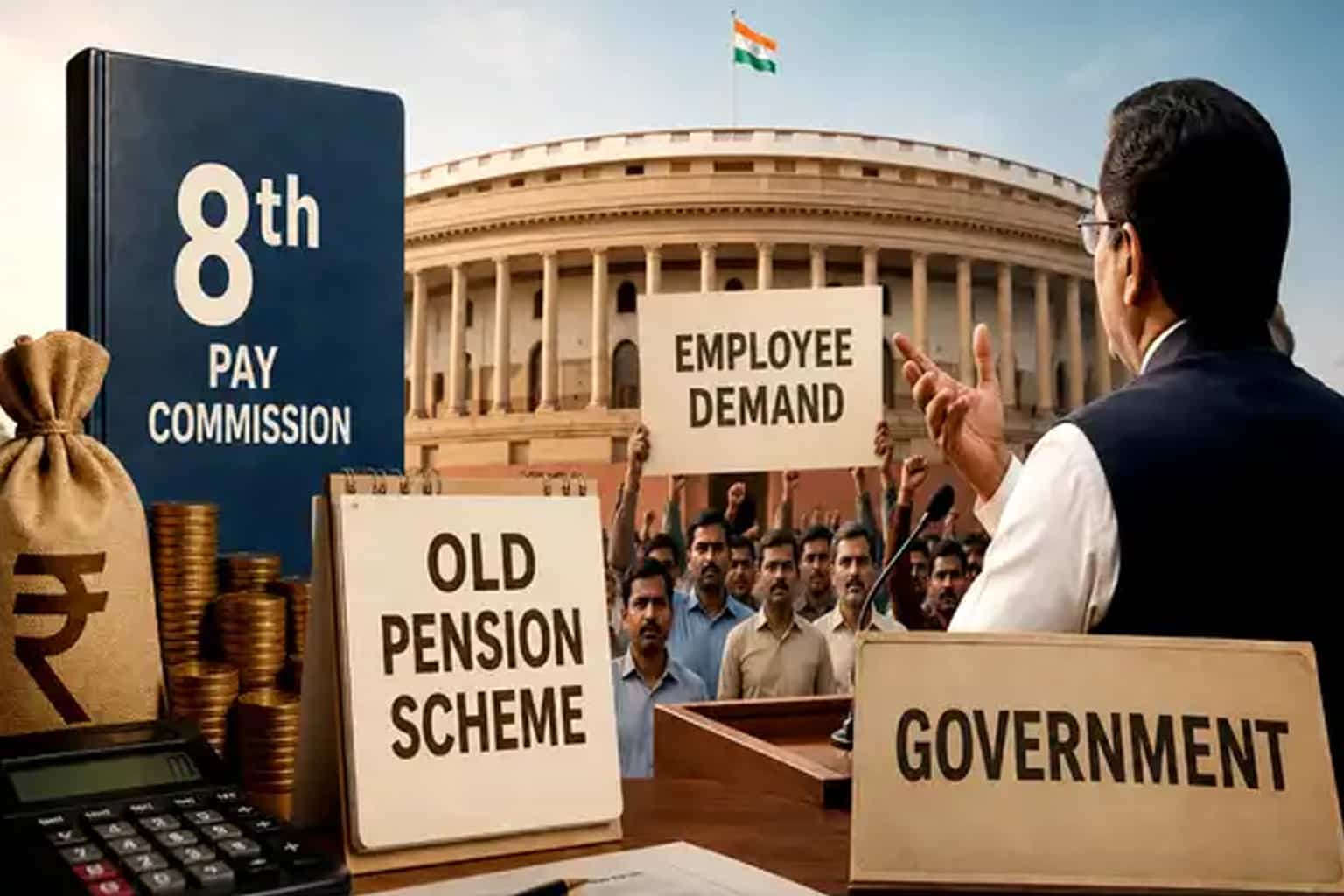
The 8th Central Pay Commission will visit Kolkata for stakeholder interactions. Associations, unions and organisations must seek appointments with unique Memo ID after submitting their memorandum.
For Central Government employees and pensioners, the 8th Pay Commission is not just something happening in Delhi. Slowly, it is moving closer to the people whose lives will be affected by its recommendations.
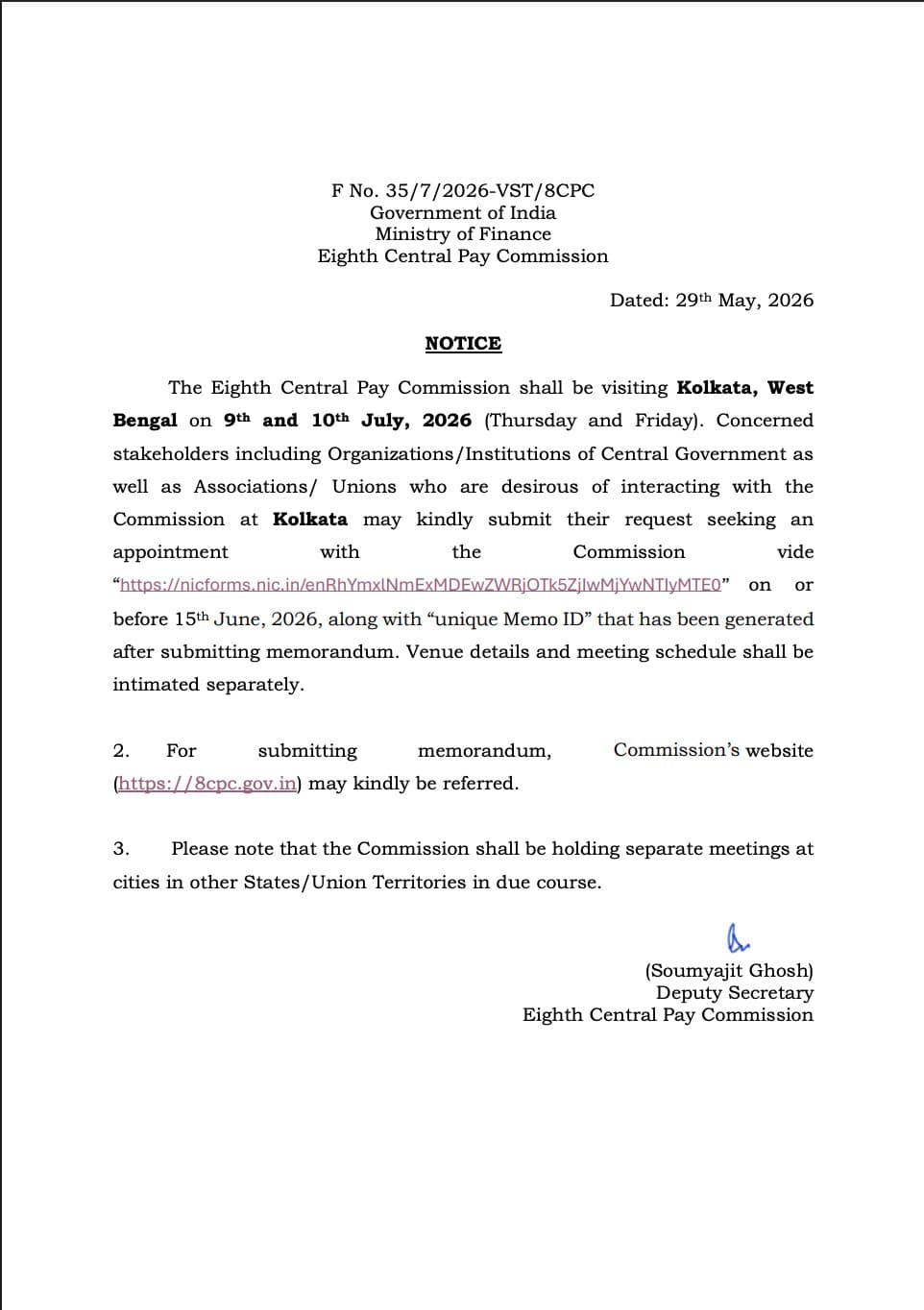
The latest notice about the Commission’s Kolkata visit is important for that reason.
On paper, it looks like a simple tour notice. The Eighth Central Pay Commission has informed that it will visit Kolkata, West Bengal, for stakeholder interactions. But for employees, pensioners, associations and unions, this notice carries a deeper message. The Commission is not only collecting memorandums online. It is also creating a route for organised stakeholders to meet, explain and place their concerns in person.
That is why the Kolkata visit should not be treated like a routine administrative update.
It is a chance for serious representation.
The official notice says the 8th Central Pay Commission will visit Kolkata on 9 and 10 July 2026. It invites concerned stakeholders, including organisations and institutions of the Central Government, as well as associations and unions who want to interact with the Commission in Kolkata, to submit a request for appointment.
But there is one condition that every stakeholder should read carefully.
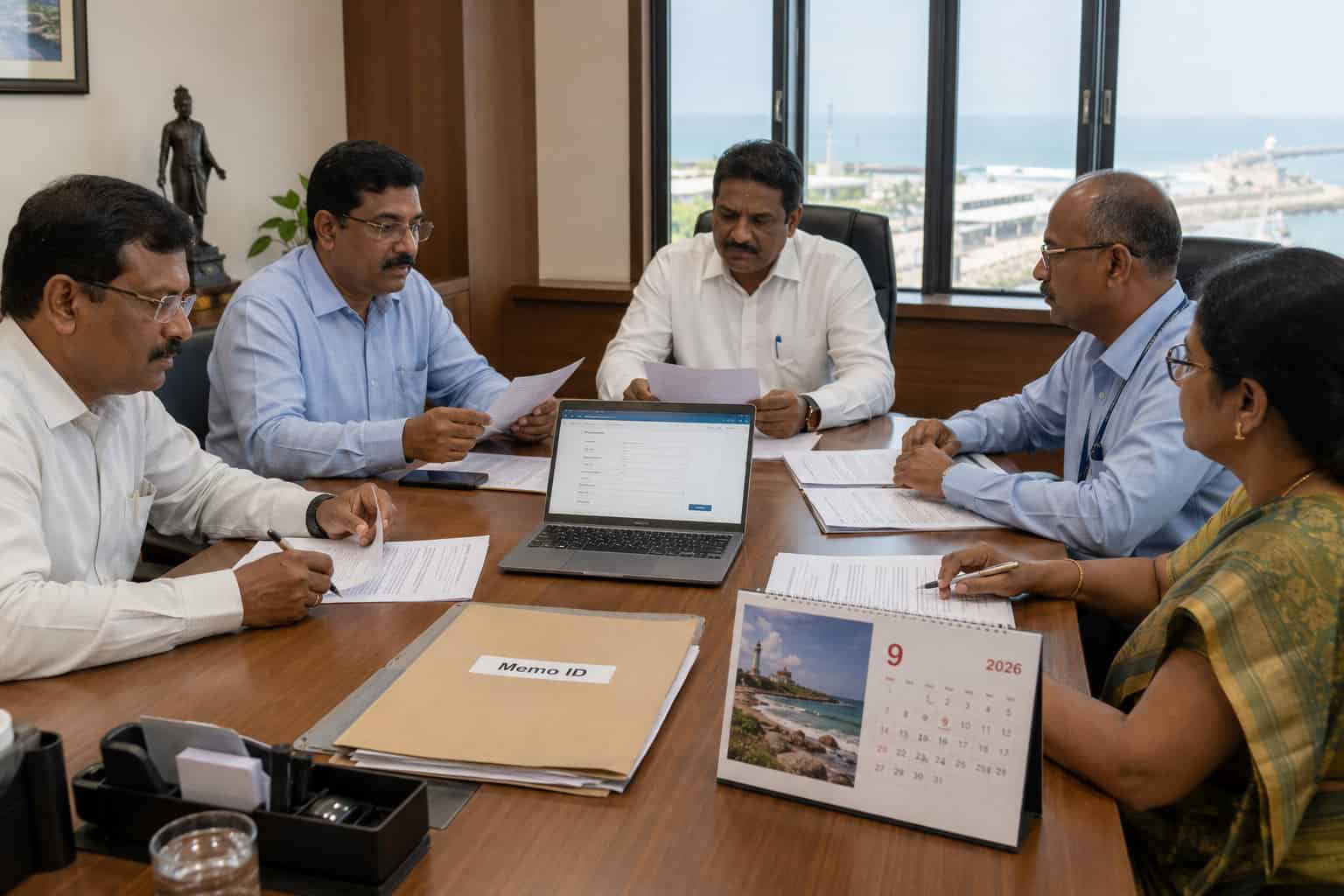
The appointment request must be submitted along with the unique Memo ID generated after submitting the memorandum.
This one requirement changes the entire meaning of the notice. It tells associations and unions that a meeting request cannot stand alone. First, the issue must be formally submitted through the memorandum process. Only after that, the Memo ID can be used to seek an appointment for interaction.
In simple words, the Commission appears to be saying: first put your issue on record, then seek a meeting.
This is a sensible approach. A Pay Commission cannot depend only on verbal discussions. It needs written points, structured submissions and traceable references. The Memo ID becomes that reference. It shows that the stakeholder has already submitted a memorandum and is now seeking an opportunity to discuss it further.
For employees and pensioners, this is an important signal. If their association or union wants to meet the Commission in Kolkata, it must not only talk about demands informally. It must ensure that the memorandum has been submitted properly and that the unique Memo ID is available.
This is where many people may make a mistake.
Some employees may think that the visit means anyone can directly walk in and meet the Commission. The notice does not say that. It refers to concerned stakeholders such as Central Government organisations, institutions, associations and unions. Venue details and meeting schedule will be intimated separately. That means the process is controlled, formal and appointment-based.
So, employees should not wait outside the system. They should work through the proper channel.
If you are a member of an association, ask whether your memorandum has been submitted. Ask whether the Memo ID has been generated. Ask whether the appointment request for Kolkata interaction has been filed before the deadline. If the issue concerns a large group of employees, pensioners, defence pensioners, family pensioners or a particular cadre, it should be placed clearly and responsibly.
The timing also matters. The last date mentioned for seeking appointment for the Kolkata visit is 15 June 2026. This is the same date by which the memorandum submission window is also linked on the official 8CPC portal. That makes the next few days important for associations and unions that still have pending work.
A Pay Commission comes after many years. Its recommendations can shape salary structure, pension formula, allowances, service conditions and retirement benefits for a long period. That is why the memorandum stage is not a formality. It is the stage where the pain points of employees and pensioners must be documented before the final recommendation process moves ahead.
Kolkata is also an important location for such interaction. The city and the larger eastern region have a wide presence of Central Government employees, pensioners, postal employees, railway employees, defence civilians, audit and accounts personnel, veterans, family pensioners and other service groups. Many of their issues may not always get full attention in national-level discussion unless associations bring them forward properly.
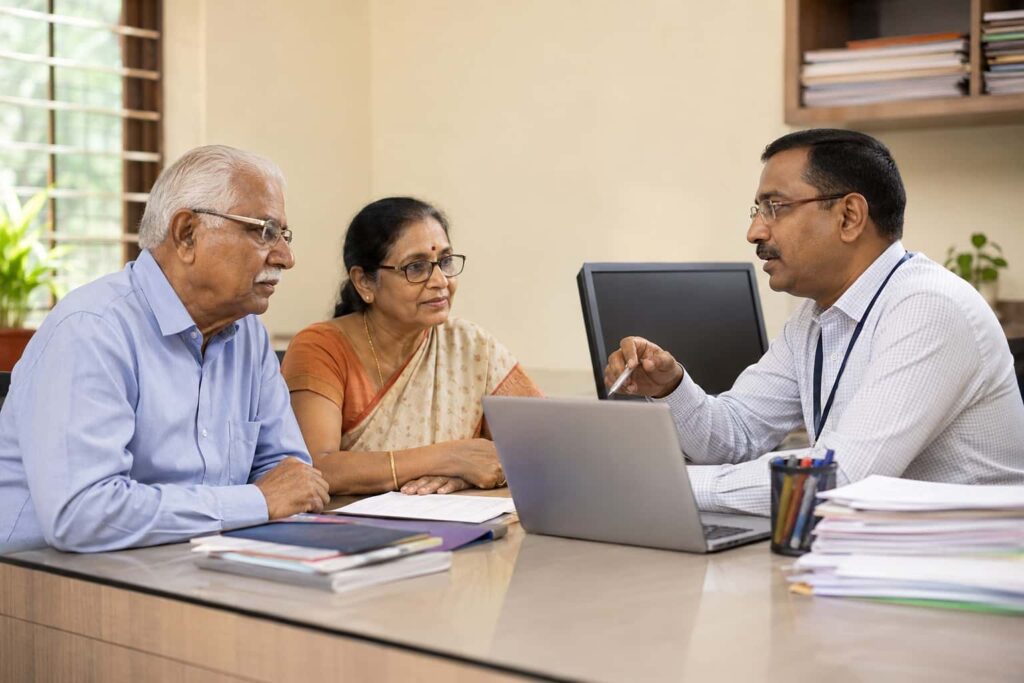
This is where storytelling becomes important.
Behind every pay level is a household budget. Behind every pension demand is an elderly person calculating medicines, rent, food and family support. Behind every allowance issue is a duty condition that may not be visible to people outside the department. Behind every union memorandum is not just paperwork, but years of experience from employees who have worked in offices, field units, workshops, stations, hospitals, accounts sections and public-facing posts.
The Pay Commission may finally write numbers in a report. But before those numbers are written, real people must explain what those numbers mean in daily life.
That is why the Kolkata visit matters.
It gives associations and unions a chance to move beyond social media discussion and place structured issues before the Commission. It gives organised stakeholders an opportunity to explain why a demand is not just a demand, but a service reality. It also allows the Commission to hear concerns from different regions before preparing recommendations.
However, the process must be handled carefully. This is not the time for vague demands or emotional slogans. A good memorandum should be specific. It should explain the issue, the affected category, the current difficulty, the practical impact and the correction being requested.
If the issue is pay revision, the memorandum should show why the present structure is not sufficient. If the issue is pension revision, it should explain the effect of inflation and ageing. If the issue is allowances, it should connect the demand with duty condition, risk, hardship or responsibility. If the issue is family pension, it should explain the financial vulnerability of dependents. If the issue is defence welfare, it should connect service conditions with actual ground realities.
A strong submission is not loud. It is clear.
The official notice also says that the Commission will hold separate meetings in cities in other States and Union Territories in due course. This line is important because it shows that Kolkata is part of a wider outreach process. Other regions may also get similar opportunities. But for stakeholders connected with Kolkata, West Bengal and the eastern region, this is the immediate window.
This update is important because it affects Central Government employees, pensioners, defence pensioners, ex-servicemen, family pensioners, veterans’ associations and service unions. Many of these groups have long-pending issues related to pension, pay parity, allowances, family pension, service hardship and welfare.
The message is simple.
Do not only discuss the 8th Pay Commission. Document your issue. Submit the memorandum. Keep the Memo ID. If your association or union wants to meet the Commission in Kolkata, make sure the appointment request is submitted in time.
The Kolkata visit notice is not just about a meeting schedule. It is about proof, preparation and participation.
The proof is the unique Memo ID.
The preparation is a clear memorandum.
The participation is the chance to speak before the Commission through the proper channel.
In the coming months, people will talk a lot about the final 8th Pay Commission report. But by then, the most important opportunity to place issues may already be over. This is why employees, pensioners and associations should act now.
The Pay Commission has opened a door in Kolkata.
The question is whether stakeholders will enter that door with proper documents, clear points and a valid Memo ID.

Leave a Reply