

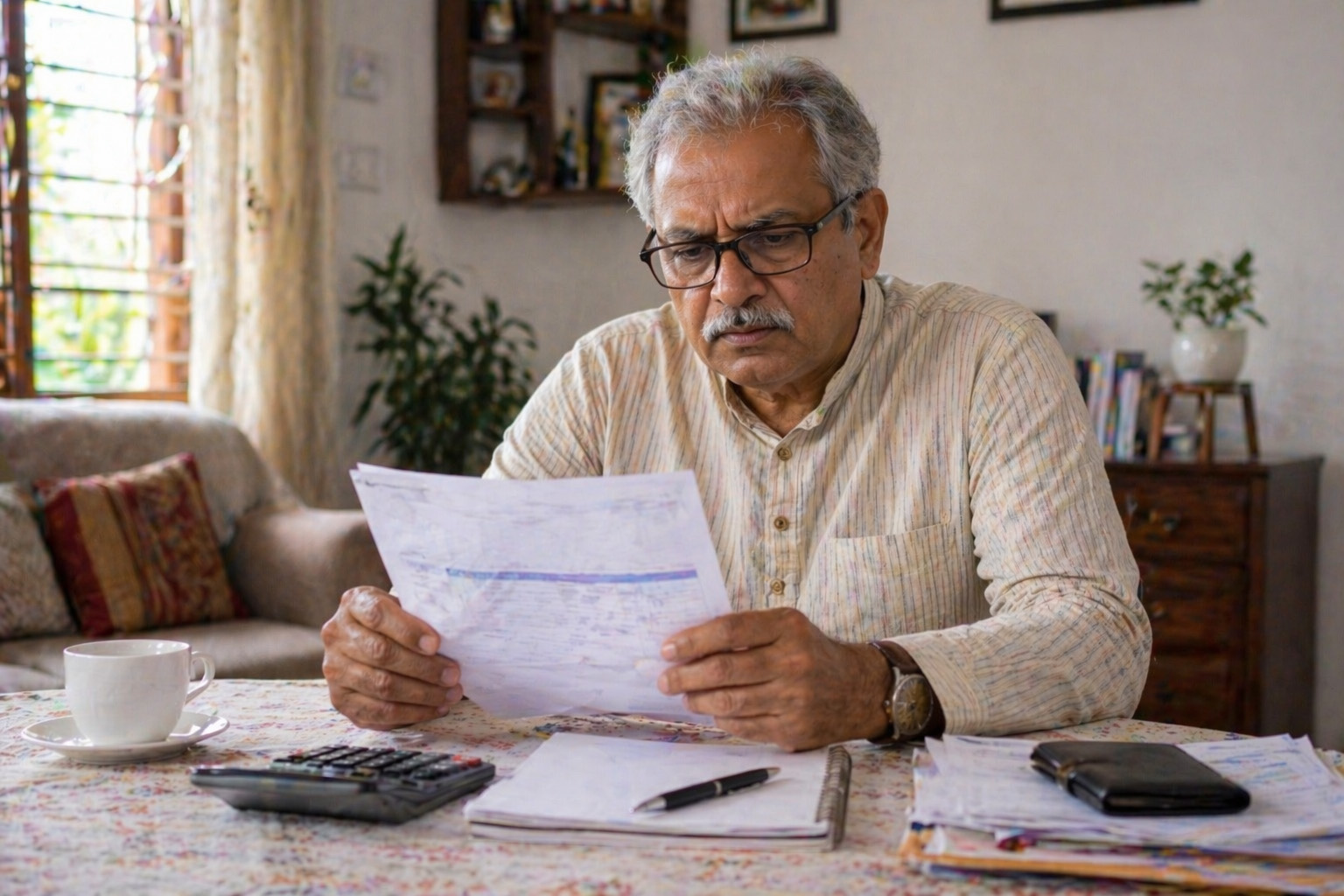
The latest increase in Dearness Allowance and Dearness Relief has brought welcome news for central government employees and pensioners, but it has also created a fresh wave of confusion. On paper, the decision is clear. The Union Cabinet has approved a 2 percent increase in DA and DR, raising the rate from 58 percent to 60 percent with effect from 1 January 2026. For lakhs of families, that means higher monthly income and arrears for the months already gone by.
But the real question is no longer about approval. It is about payment.
Across offices, pension circles, employee groups, and family WhatsApp discussions, one concern is coming up again and again: will the revised amount and pending arrears actually arrive in the April salary or pension credit, or will people have to wait for the next cycle?
That is where the current situation becomes important.
Why this update is creating confusion on the ground
Whenever DA or DR is revised from a back date, beneficiaries do not just look at the revised rate. They also expect arrears for the months from which the increase becomes applicable. Since this latest hike is effective from 1 January 2026, the natural expectation is that January, February and March arrears should be added, along with the revised amount for April.
That expectation is understandable. It is also the reason why so many people are checking their bank messages carefully this month.
However, there is a practical side to government payments that often gets missed in public discussion. A Cabinet decision is the policy approval stage. The actual money reaches employees and pensioners only after several administrative and technical steps are completed. The order has to be issued formally, then accepted into payroll and pension systems, then reflected in pay processing or bank-side pension disbursement.
If any of those steps miss the payment cut-off window, the revised amount may not appear in that month’s credit.
So, if someone finds that their April salary or pension looks unchanged, that does not automatically mean the increase has been denied. In many cases, it may only mean the implementation missed this month’s processing timeline.
what the hike means for individual families
A 2 percent increase may sound small in headline terms, but for many households it still matters. DA and DR are calculated on basic pay or basic pension. That means the amount varies from person to person, but even modest monthly increases become meaningful once arrears are added.
Take a pensioner with a basic pension of ₹30,000. A 2 percent rise means ₹600 extra per month. If four months are counted together, January to April, the additional amount comes to roughly ₹2,400.
Now take an employee with a basic pay of ₹50,000. In that case, the 2 percent rise means ₹1,000 more per month. For four months, that becomes around ₹4,000.
For some families, this amount may go toward household expenses. For others, it may help with medicine, school costs, or pending bills. That is why even a short delay in credit can feel important, especially for pensioners who plan monthly spending very carefully.
why timing matters as much as entitlement
One of the biggest mistakes people make during such updates is assuming that approval and payment happen at the same speed. In reality, entitlement and timing are two different things.
The entitlement begins from 1 January 2026 because that is the effective date of the DA and DR revision. So the arrears remain payable. That part is not the issue.
The issue is when the systems that process salary and pension are able to reflect the new rate.
For employees, this depends on whether the revised DA percentage was updated in the current payroll before the month’s salary file was locked. For pensioners, it depends on whether the pension disbursing bank, CPPC, or related processing authority updated the DR rate in time.
This is why there can be a gap between a public announcement and the actual credit visible in a bank account.
what pensioners should verify before assuming anything
For pensioners, the first reaction is often to check the bank SMS and compare the final credited amount. That is useful, but it is not enough.
The more reliable check is the pension slip. If the slip still shows DR at 58 percent, then the revised rate has likely not yet been applied. If the slip shows 60 percent but there is no arrears component, then only the new monthly amount may have been added while arrears remain pending. If both are missing, the update may not yet have reached the pension system.
This is especially important for elderly pensioners who may depend on family members to help them read statements, slips, and bank messages. A calm comparison of March and April records can often give a clearer picture than informal speculation.
Defence pensioners and family pensioners should also keep documents ready while following up, because screenshots, slips, and bank details can be useful if any clarification is needed later.
what employees should look at in their salary records
Employees should also avoid relying only on the bank credit amount. Salary slips usually tell the real story.
The first thing to check is the DA percentage shown in the earnings section. If it remains at 58 percent, then the 60 percent rate has probably not been implemented in that payroll cycle. The second thing to check is whether arrears have been shown as a separate line item. In many departments, arrears do not always merge into the main salary line and may appear under a different head or even in a later payout.
This is why the correct follow-up is not simply asking when the money will come. The better question is whether the January 2026 DA order has been incorporated in the current month’s payroll file.
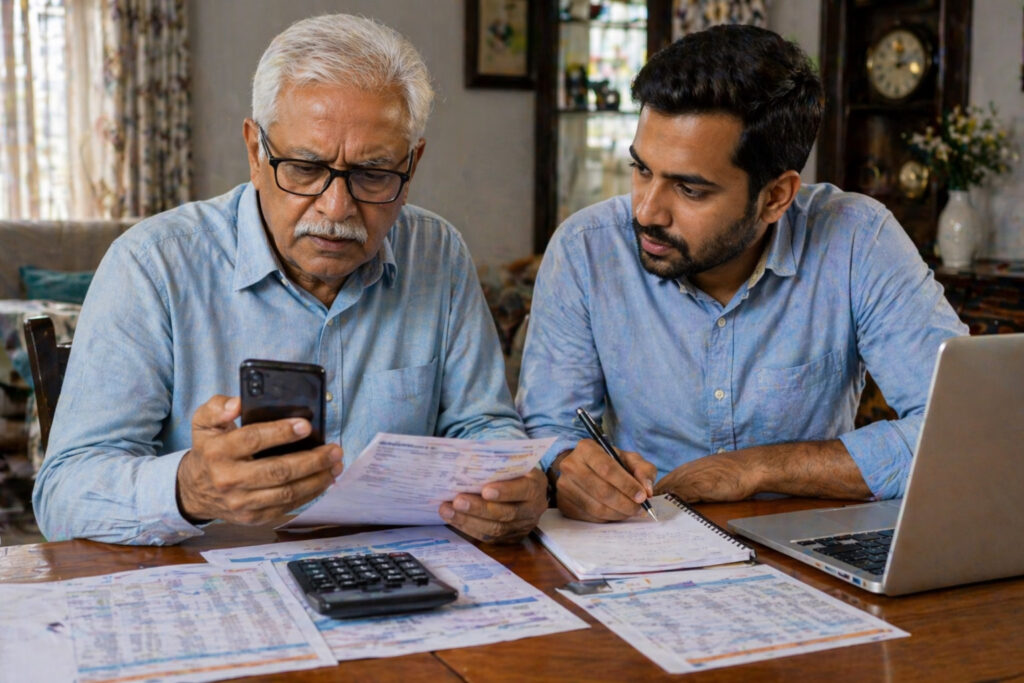
That small difference in approach can make follow-up more effective.
why this delay can still have a wider impact
At one level, this is a simple payment timing issue. But at another level, it reflects something larger about how employees and pensioners experience government decisions.
For pensioners, especially senior citizens, even a temporary hold-up in expected arrears can affect household planning. Many people align medical spending, utility payments, and family support around expected monthly credits. A missing revision, even if temporary, creates uncertainty.
For employees too, arrears are often mentally allocated before they arrive. Families may already have plans for school fees, EMIs, or other expenses. That is why implementation delays create frustration even when the benefit itself remains secure.
There is also a broader emotional factor. Once a decision is officially announced, people expect the system to move quickly. When the bank credit does not match that expectation, confusion spreads faster than facts.
what people should do this month
The safest approach is practical, not emotional.
Treat the regular April credit as the confirmed amount and do not budget around arrears unless the slip or statement clearly shows them. Compare March and April records carefully. Check whether the DA or DR rate has moved from 58 percent to 60 percent. Look for a separate arrears entry. Keep a record of salary slips, pension slips, and bank statements.
If the revised amount has not appeared, the next likely point of attention will be the following payment cycle. In many such cases, the first missed cycle is corrected in the next one once system updates are completed.
The key point is this: unchanged April credit does not necessarily mean loss. More often, it means delay.
why this issue matters in the larger pay and pension conversation
DA and DR are not just routine monthly figures. They are inflation-linked protections built into the pay and pension framework. Every time these rates change, they become part of the wider discussion on financial relief, salary expectations, and pension security.
At a time when people are also watching the 8th Pay Commission process closely, even a 2 percent hike carries symbolic value. It tells employees and pensioners how inflation support is moving, how quickly systems are responding, and how smoothly official decisions are being translated into actual payments.
That is why this month’s credit is being watched so closely.
In the end, the message is simple. The DA and DR hike from 58 percent to 60 percent has been approved with effect from 1 January 2026. The benefit remains valid. But whether the money appears in April or shifts to the next cycle depends on implementation timing, not on cancellation of entitlement.
For employees and pensioners, the smartest response right now is to verify the slip, compare the credit, and keep expectations realistic until the system fully catches up.



Leave a Reply