

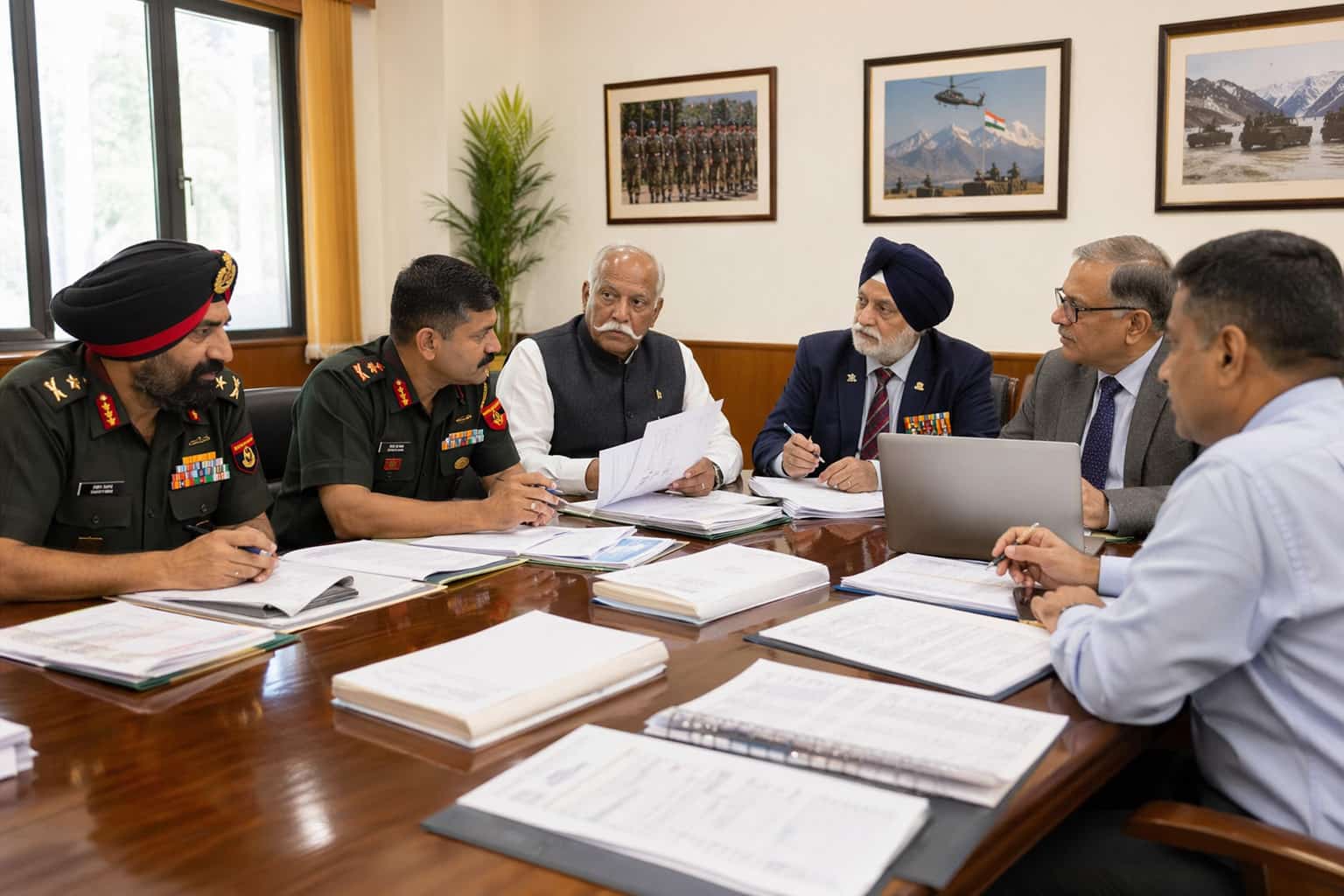
When people discuss the 8th Pay Commission, the focus usually remains on fitment factor, salary revision, pension correction, OROP-related concerns, allowances, and pay matrix changes. These are important issues, and they directly affect lakhs of employees, pensioners, veterans, and families. But there is another subject that may soon become one of the most practical and emotionally important demands for defence personnel. That issue is leave encashment and leave accumulation.
At first, this may sound like a small service-rule matter. But for soldiers, ex-servicemen, JCOs, and defence families, it is not small at all. It is linked to duty, sacrifice, family separation, financial planning, and fairness after years of service.
A soldier earns leave as part of service. But in the defence forces, earning leave and actually getting leave are not always the same thing. Many personnel posted in operational areas, field stations, border zones, high-alert units, and demanding formations may not be able to take leave when they need it. Sometimes leave is cancelled. Sometimes it is delayed. Sometimes duty conditions do not allow the person to go home even when the leave exists on paper.
That is where the real issue begins.
Why Defence Leave cannot be treated like ordinary leave?
In a normal civilian workplace, leave can usually be planned with some predictability. An employee may apply for leave, coordinate with the department, and take time off based on office requirements. Defence service is different. Here, the needs of the unit, the operational situation, manpower strength, emergency deployment, training cycle, border duty, and national security requirements often decide whether a person can go on leave or not.
This means that unutilised leave in the defence services is not always a matter of personal choice. It is often the result of service necessity.
A soldier may miss family functions, festivals, children’s important moments, medical responsibilities at home, or personal rest because duty comes first. When this happens repeatedly over a long career, the leave that remains unused carries emotional and financial value. If that leave is not recognised properly, the system begins to look unfair to the very people who made the sacrifice.
The current Ceiling creates a real concern
The present framework has two major points that defence personnel often discuss. One is the 300-day ceiling for leave accumulation. The second is the 60-day limit for leave encashment linked with LTC.
On paper, these limits may look like structured service benefits. But in real life, they can create frustration. A soldier may reach the 300-day ceiling and still continue to lose the opportunity to take leave because of service demands. Once the ceiling is reached, further untaken leave may not deliver meaningful financial benefit. In simple words, the person continues serving under pressure, but the value of additional lost leave is not fully protected.
This becomes a bigger issue because many defence personnel retire earlier than civilian employees. For them, retirement does not always come at the age of complete financial comfort. Many have family responsibilities, children’s education, home loans, medical needs, and the pressure of finding a second career. At that stage, leave encashment can become an important financial cushion.
So the question is very direct: if leave could not be taken because of duty, why should the value of that leave be restricted by an outdated ceiling?
Why this is a family issue, not just an accounts issue?
Leave is not only about rest. For a soldier, leave often means time with parents, wife, children, and family. It means attending a daughter’s school event, being present during a medical emergency, spending a festival at home, or simply recovering from months of pressure.
When leave is denied or postponed due to service needs, the family also pays a silent price. The soldier serves, but the family also adjusts. Children grow up with delayed visits. Parents wait. Spouses manage responsibilities alone. This is why leave accumulation and encashment should not be seen only as a pay-book entry. It is connected to the lived experience of military families.
A fairer leave encashment system would recognise that when the system takes away time, it must at least protect the value of that time.
Why the demand for 450 days deserves attention?
One important proposal being discussed is to increase the leave accumulation ceiling from 300 days to 450 days. This demand has a strong practical basis. Defence personnel often serve in conditions where leave cannot be fully used. A higher accumulation limit would acknowledge the reality that many soldiers continue to earn leave beyond the present ceiling but cannot enjoy it due to service commitments.
This is not about giving an extra luxury. It is about recognising a special service condition. A jawan serving in a difficult area, a JCO managing unit responsibilities, or a soldier posted away from family for long periods should not be penalised simply because duty prevented him from using the leave he earned.
A 450-day ceiling would send a clear message that the system understands military life better than before.
Why 120 days LTC encashment is also important?
Another demand is to increase LTC-related leave encashment from 60 days to 120 days. This also deserves serious attention. The 60-day limit may have served a purpose earlier, but today’s financial realities are different. Costs have increased. Family needs have expanded. Retirement planning has become more difficult. Defence families often need stronger financial support during and after service.
Increasing the LTC encashment limit to 120 days can provide a more meaningful benefit without changing the basic idea of leave management. It would help personnel who have earned leave but have not been able to utilise it properly due to service requirements.
For many families, this amount can support education, healthcare, household stability, travel, or post-retirement transition.
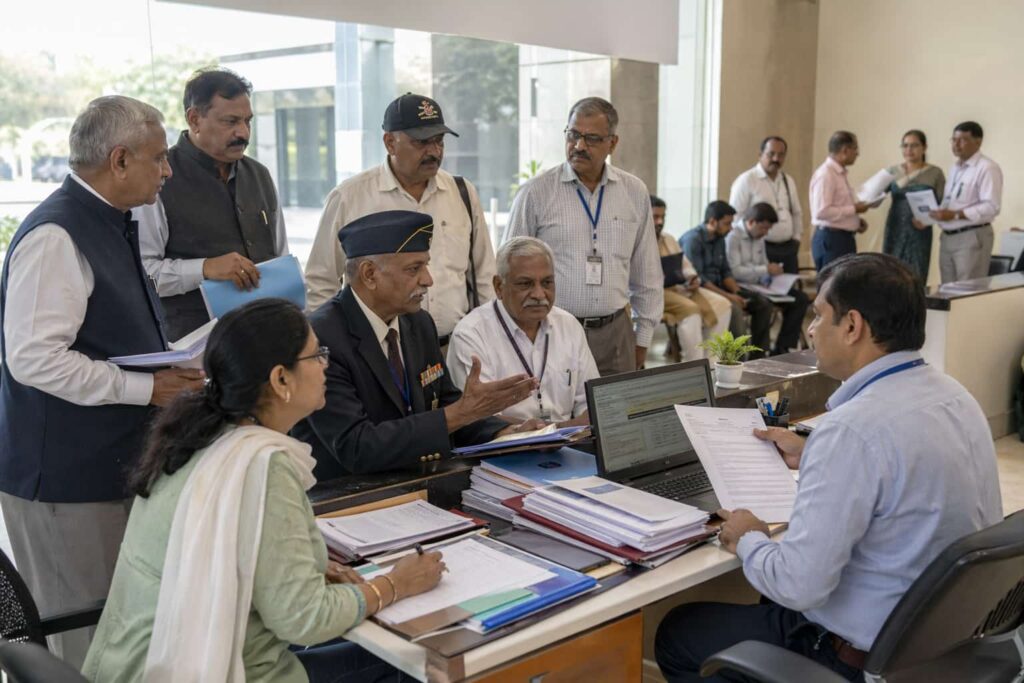
Why delinking leave accumulation from LTC makes sense?
A very practical suggestion is to delink annual leave accumulation from LTC encashment. This is important because both have different purposes.
Leave accumulation reflects the leave earned over years of service. LTC encashment is linked to a separate benefit framework. When the two are treated too closely, it can create confusion and reduce the real value of earned leave. Delinking them would make the system cleaner, more transparent, and more logical.
For defence personnel, this change would ensure that earned leave is not indirectly restricted by another benefit structure. It would also make the policy easier to understand and easier to justify.
Why the 8th Pay Commission is the right platform?
The 8th Pay Commission is not only about increasing pay. It is also about correcting old rules that no longer match present realities. Leave encashment is exactly such an issue. The defence services operate under unique conditions. The pay commission must examine whether the existing leave ceilings truly reflect those conditions.
If the Commission looks only at broad financial formulas, this issue may remain under-discussed. But if it studies service life from the ground level, it will become clear that leave encashment is a genuine welfare issue.
It affects morale. It affects trust. It affects financial security. Most importantly, it affects the belief that the system values the sacrifices made by soldiers and their families.
Why this demand should not be ignored?
For the wider public, leave encashment may sound technical. But behind every untaken leave record, there is often a missed festival, a postponed journey home, a family responsibility left unattended, or a soldier choosing duty over personal life.
That is why this issue deserves wider attention in the 8th Pay Commission debate. A higher accumulation ceiling, better LTC encashment, and a rational separation of leave accumulation from LTC can directly benefit defence personnel. It can especially help jawans, JCOs, and those who serve in difficult conditions where leave is not always easy to take.
In the end, this is not only about leave. It is about fairness. It is about recognising the value of time sacrificed in uniform. It is about ensuring that when a soldier cannot take leave because the nation needs him on duty, the system does not allow that sacrifice to disappear inside a rigid rulebook.
That is why leave encashment and leave accumulation may become one of the most important defence welfare issues before the 8th Pay Commission.


Leave a Reply