

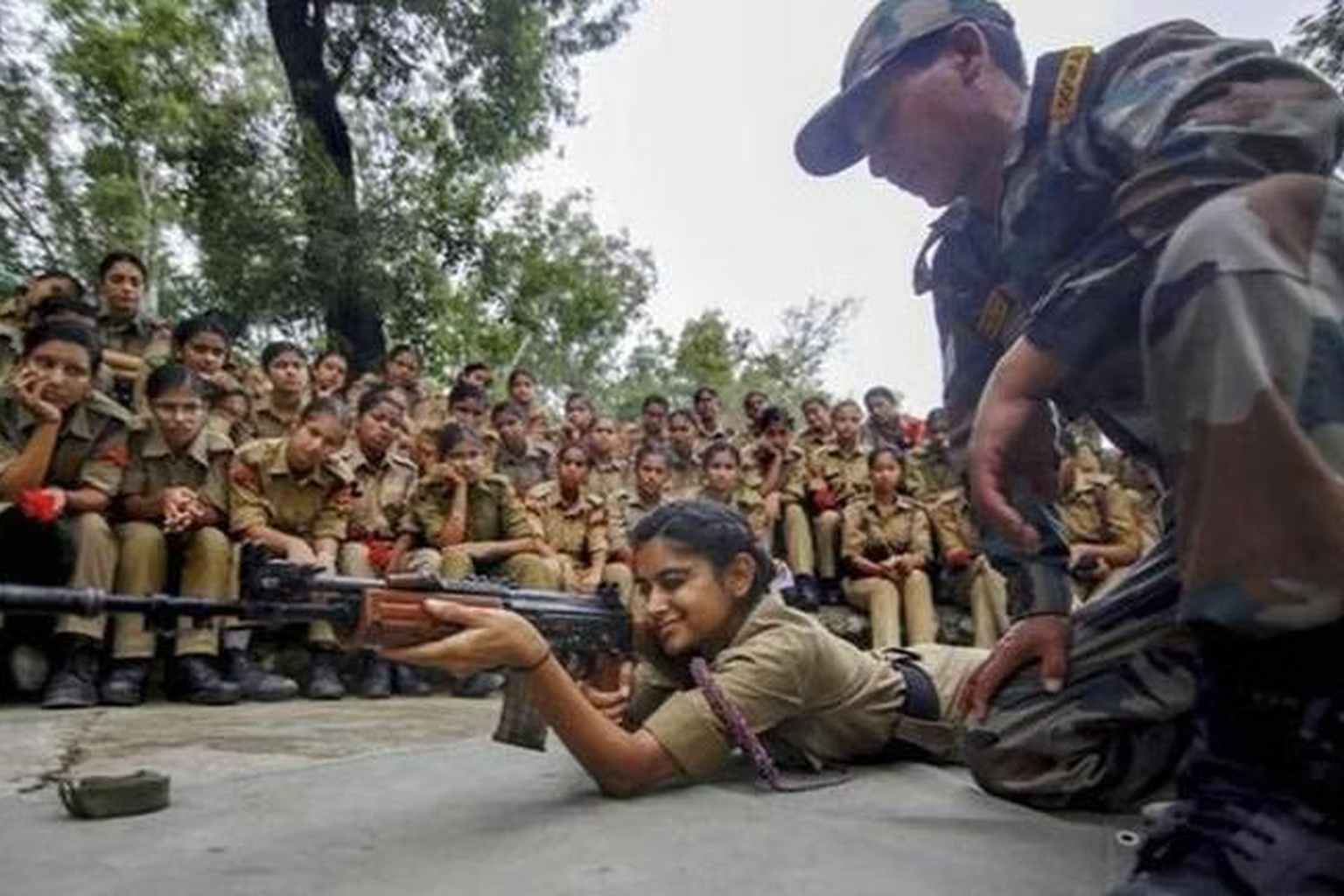
For thousands of young aspirants, the Indian Army Agniveer exam is much more than a routine competitive test. It is an opportunity linked with uniform, discipline and a life goal many candidates have worked toward for months. That is why the admit card update matters so much. According to recent reporting, the Agniveer admit card 2026 is expected to be released on 15 May 2026 through the official recruitment portal joinindianarmy.nic.in. At the same time, official recruitment notifications indicate that the online exam is scheduled from 1 June to 15 June 2026, though the Army has also made it clear that these dates are tentative and final dates should be checked on the official portal.
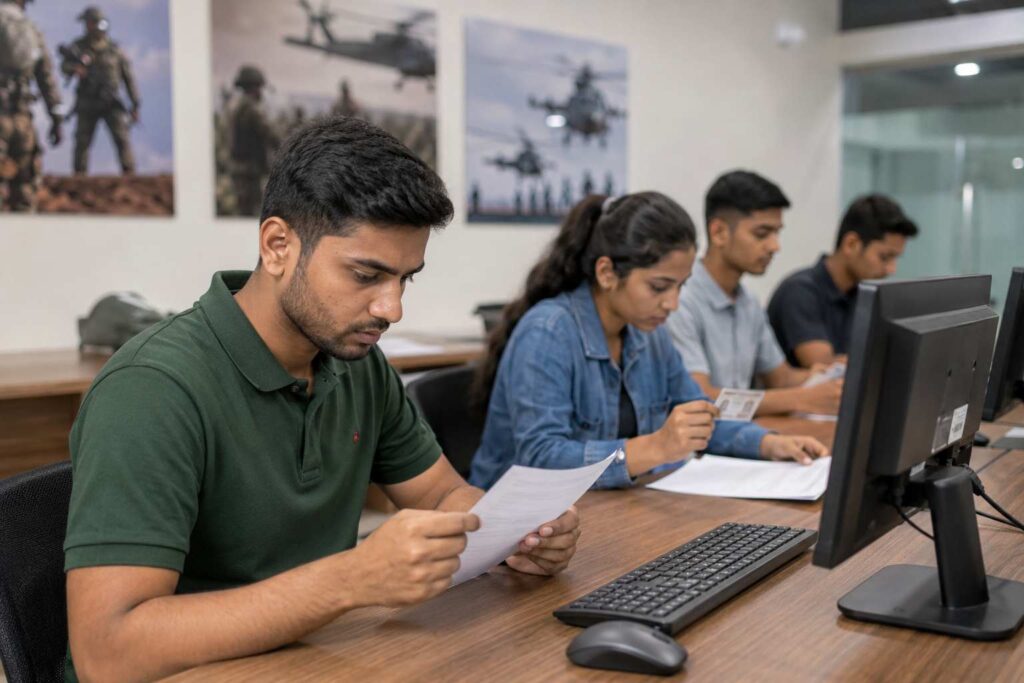
That last point is important. Many candidates see an exam window and immediately treat it as final. But the safer approach is to track the official site regularly and follow only the latest confirmed details. In recruitment matters, even one wrong assumption about date, shift or centre can create unnecessary trouble. That is why the admit card should not be treated as a mere formality. It is the document that tells the candidate exactly when and where to report, and under what instructions.
The first task after downloading the admit card is simple but extremely important: read every line carefully. Candidates often check only the exam date and then keep the paper aside. That is a mistake. The admit card normally carries critical information such as the candidate’s name, roll or registration details, exam date, timing, venue and instructions. A mismatch in personal details, a misunderstood reporting time or failure to notice an exact centre location can create problems that are avoidable.
The second major issue is how the admit card is downloaded. Reports indicate that candidates will be able to access it on the official website and use their login details, including registration-related information and date of birth, to obtain the hall ticket. This means aspirants should not wait until the last moment. If login credentials are forgotten, if the website is busy, or if there is a printing issue, last-day panic can make a small problem much bigger.
One of the smartest steps a candidate can take is to print more than one copy. A primary copy should be kept in the exam folder, and a second clean copy should be kept as backup. This sounds basic, but many candidates realise its importance only after a print gets damaged, folded badly or lost during travel. A clear printout is part of exam discipline.
The next point is often ignored until exam day: identity proof. The admit card alone may not be enough if the instructions ask for a valid photo ID. Candidates should check the admit card instructions carefully and keep the required document ready in advance. It is also wise to keep photocopies and recent passport-size photographs available if the instructions mention them. The exact list should be followed only from the official instructions linked to the recruitment process.
Travel planning is another area where many aspirants lose calm. Some look only at the city name and assume they will manage the rest on exam day. But the real challenge is the exact venue, the reporting time, and the possibility of delays due to traffic, unfamiliar routes or distance from the station or bus stand. If the centre is outside the candidate’s town, reaching early is often the safer choice. In serious recruitment exams, reaching late by even a small margin can become a much bigger problem than most students imagine. This is a practical inference from the importance of the venue and timing instructions carried on the admit card.
Candidates should also remember that the written exam is only one phase of a larger selection path. The official recruitment notifications already reflect a broader process beyond the online exam window, so aspirants should not stop preparation after downloading the admit card. This is the stage to continue revision calmly, practise question solving with time discipline, and maintain basic physical readiness without overexertion. The mistake many aspirants make is to shift completely into panic mode after the admit card appears. A better approach is to treat the download as a signal to become more organised, not more anxious.
Another important caution is about fake links and unofficial messages. Around recruitment dates, social media fills up with forwarded links, “direct hall ticket” claims and shortcuts. Candidates should avoid entering personal details on random pages and should rely only on the official Indian Army recruitment portal. The official site remains the correct source for admit-card access, final exam dates and instructions.
Families also play an important role at this stage. Many young aspirants are under pressure, especially when the exam is tied to a larger dream of military service. Practical family support often matters more than motivational speeches. Helping the candidate organise documents, arrange travel, keep IDs ready and maintain a calm environment can improve readiness in a very real way. The admit card phase should be about order and confidence, not confusion at home. This is practical guidance based on the exam-document process rather than a separate official rule.
A good final checklist is simple. Download the admit card from the official site. Check all personal details. Confirm the exact venue and reporting time. Print at least two copies. Keep valid photo ID ready. Avoid unofficial links. Track the portal for final date confirmation because the official notifications describe the 1 June to 15 June exam window as tentative. And most importantly, do not leave anything to the last day.
The biggest takeaway for candidates is this: the admit card is not a small procedural step. It is the document that decides whether preparation reaches the exam hall smoothly or gets interrupted by avoidable mistakes. For an Agniveer aspirant, discipline starts before the exam paper is opened. It begins with how carefully the admit card is checked, printed, carried and followed. If that part is handled properly, one major source of exam-day stress disappears.

Leave a Reply