

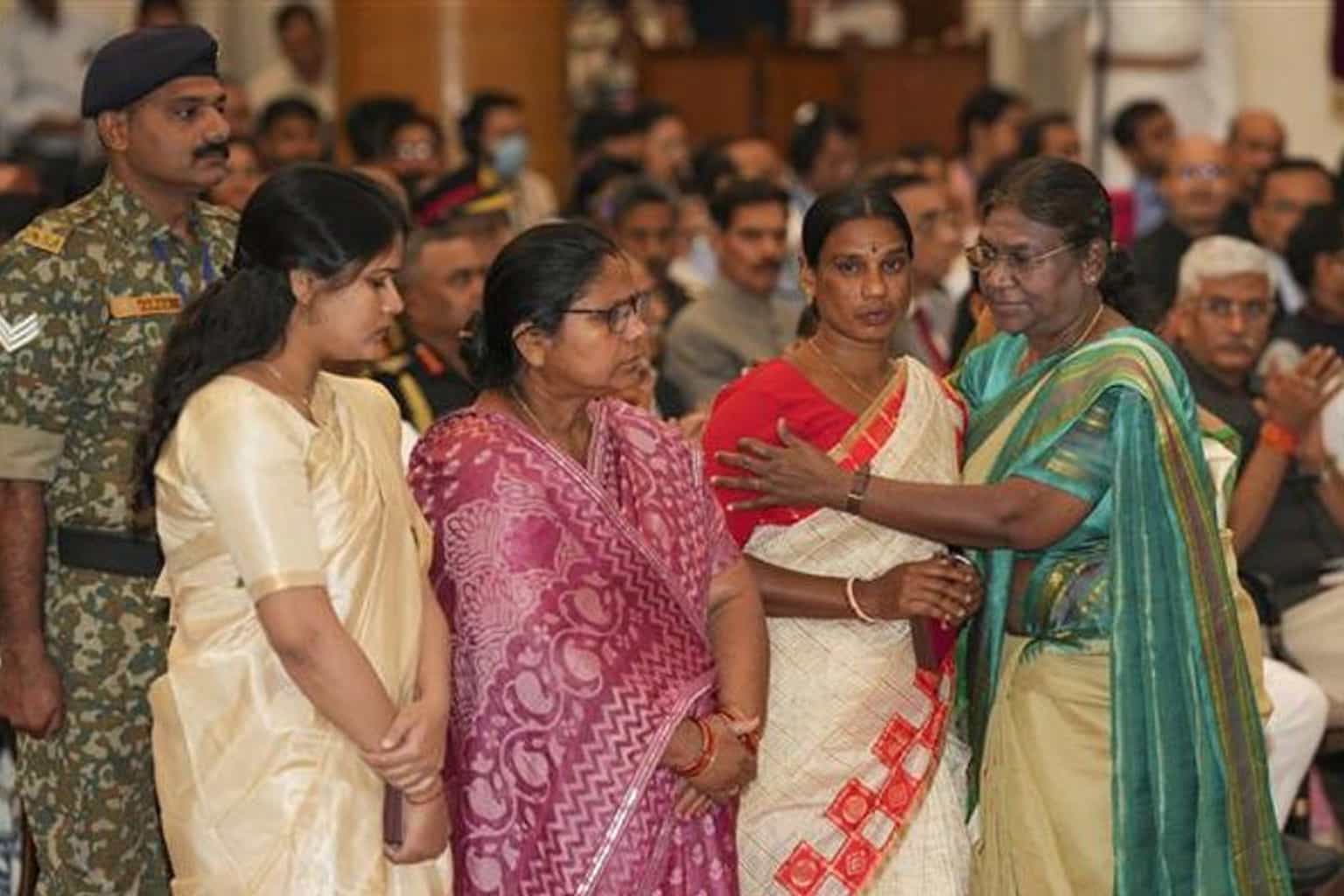
Some ceremonies are not remembered because of lights, protocol or cameras.
They are remembered because the country stops for a moment and says thank you to those who chose duty when life itself was at risk.
On 8 June 2026, President Droupadi Murmu conferred gallantry awards during Defence Investiture Ceremony 2026 Phase-I at Rashtrapati Bhavan. The ceremony honoured brave personnel from the Defence Forces, Central Armed Police Forces and State and Union Territory Police.
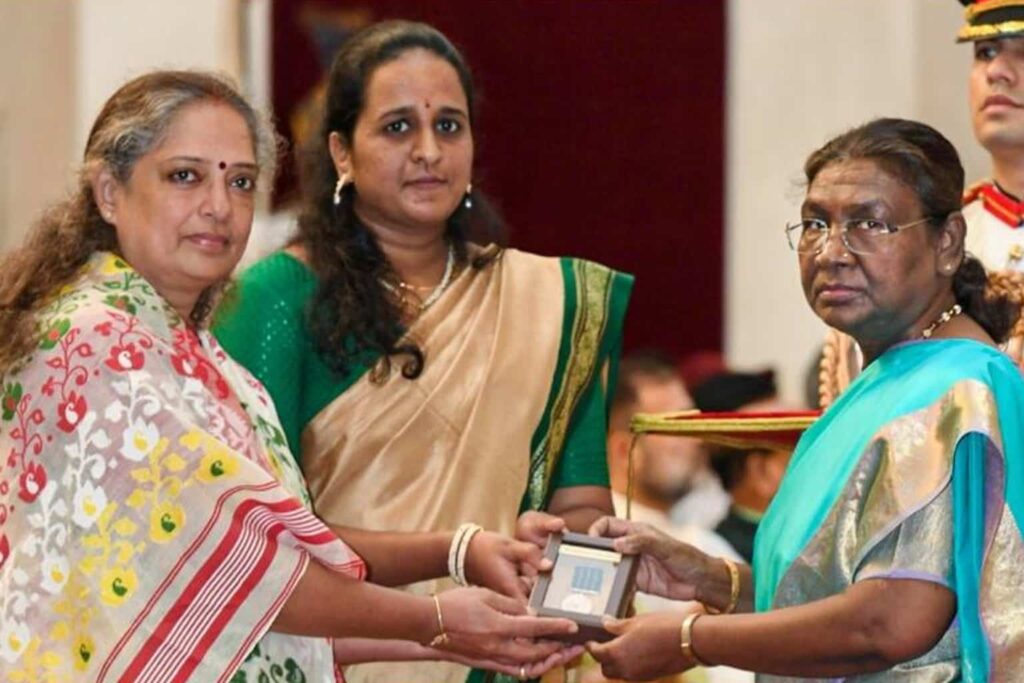
The official list included 7 Kirti Chakras, of which 2 were posthumous. Along with them, 15 Vir Chakras, including 3 posthumous, and 29 Shaurya Chakras, including 1 posthumous, were also conferred.
For the defence community, this was not just an award function. It was a national reminder that courage is not an abstract word. It has names, ranks, units, families and memories behind it.
Why the Kirti Chakra list stands out?
The Kirti Chakra is one of India’s highest peacetime gallantry honours.
In the 2026 ceremony, the 7 Kirti Chakra awardees came from different arms and services. The list included personnel from Rashtriya Rifles, PARA Special Forces, Assam Rifles, Army Service Corps, Sikkim Scouts and the Indian Air Force.
This diversity matters.
It shows that bravery is not limited to one battlefield or one uniformed role. Courage can be seen in counter-terror operations, Special Forces missions, difficult terrain, air operations and high-risk duties where quick decisions can decide life and death.
The awardees honoured with Kirti Chakra were:
Lance Naik Meenatchi Sundaram A
Naib Subedar Doleshwar Subba
Major Arshdeep Singh
Air Commodore Prasanth Balakrishnan Nair
Captain Lalrinawma Sailo
Sepoy Janjal Pravin Prabhakar, posthumous
Lieutenant Shashank Tiwari, posthumous
Every name deserves careful mention because every name represents a story of service.
What posthumous awards remind us?
Two Kirti Chakras in this ceremony were conferred posthumously.
That single word, posthumous, carries a heavy silence.
When a gallantry medal is received by a family after the braveheart is no longer alive, the moment becomes both proud and painful. The nation sees honour. The family remembers the person behind the uniform: the son, husband, father, brother or loved one who did not return.
This is why posthumous gallantry awards should never be treated as routine news.
They are reminders that national security has a human cost. Behind every citation is a family that continues to live with absence.
Why gallantry ceremonies matter?
Gallantry ceremonies are important because they preserve national memory.
In the noise of daily news, stories of courage can easily disappear. A formal ceremony at Rashtrapati Bhavan ensures that sacrifice is not forgotten and bravery is recorded with dignity.
The President, as Supreme Commander of the Armed Forces, presenting these honours gives the moment constitutional and national significance.
It tells the armed forces and security personnel that the country recognises their actions. It tells families that their sacrifice is seen. It tells citizens that freedom and security are protected by people who accept extraordinary risk.
What this ceremony tells us about India’s security environment?
The 2026 award list also reflects the complex nature of India’s security duties.
Personnel from the Armed Forces, CAPFs and State and UT Police were honoured together. This shows that courage today is seen across many theatres: borders, counter-terror grids, internal security zones, special operations and high-risk law-and-order situations.
India’s security is not protected by one formation alone. It is protected by a wide network of uniformed personnel working in difficult conditions.
That is why these awards should be understood as national security honours, not only military headlines.
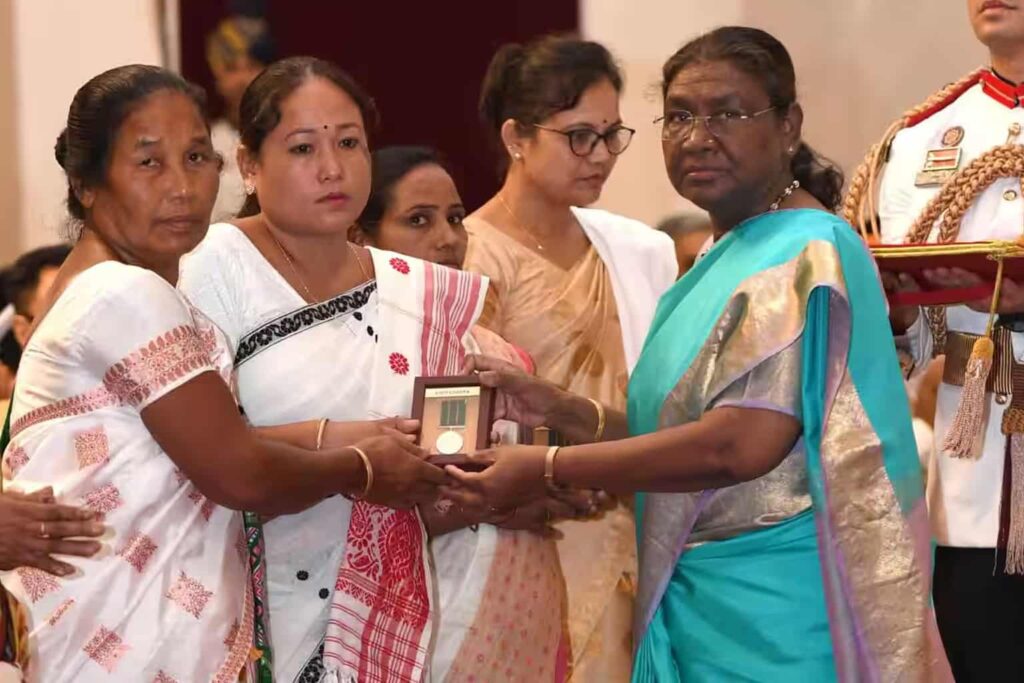
Why families must be remembered too?
A gallantry award is given to the braveheart, but the family also carries the weight of service.
Behind a soldier standing in a dangerous area is a family waiting at home. Behind every operation is a mother who worries, a spouse who stays strong, children who grow up with uncertainty and parents who live with pride and fear together.
When the nation honours a braveheart, it must also respect the family that supported that life of service.
This is especially true for posthumous awardees. The medal becomes a symbol of honour, but it can never replace the person.
Comment
Gallantry awards must be reported with dignity.
These are not viral headlines. These are names that deserve respect. Ranks should be written carefully. Units should be mentioned correctly. Posthumous honours should be handled with sensitivity.
At a time when defence news often becomes noisy on social media, gallantry stories bring us back to the foundation of the uniform: courage, duty and sacrifice.
The 7 Kirti Chakra bravehearts honoured in 2026 remind us that bravery is not always loud. Sometimes it is a decision taken in seconds. Sometimes it is staying firm when danger is close. Sometimes it is doing the duty even when the cost is known.
Final takeaway
The Defence Investiture Ceremony 2026 Phase-I was a moment of national gratitude.
President Droupadi Murmu conferred 7 Kirti Chakras, including 2 posthumous, along with 15 Vir Chakras and 29 Shaurya Chakras to personnel from Defence Forces, CAPFs and State and UT Police.
For citizens, the message is simple: remember the names, not only the numbers.
These honours are not just medals. They are records of courage. They tell us that when the country needed them, these bravehearts did not step back.
Their service deserves respect, their families deserve gratitude, and their names deserve to be remembered.
Sources:-
PIB official release:
President confers 07 Kirti Chakras, 15 Vir Chakras and 29 Shaurya Chakras during Defence Investiture Ceremony 2026 Phase-I
https://www.pib.gov.in/PressReleasePage.aspx?PRID=2270369
President of India Secretariat release:
President of India presents gallantry awards
https://www.pib.gov.in/PressReleasePage.aspx?PRID=2270406&lang=1®=3
PIB official release on Republic Day 2026 gallantry awards approval:
https://www.pib.gov.in/PressReleasePage.aspx?PRID=2218540&lang=2®=3



Leave a Reply