

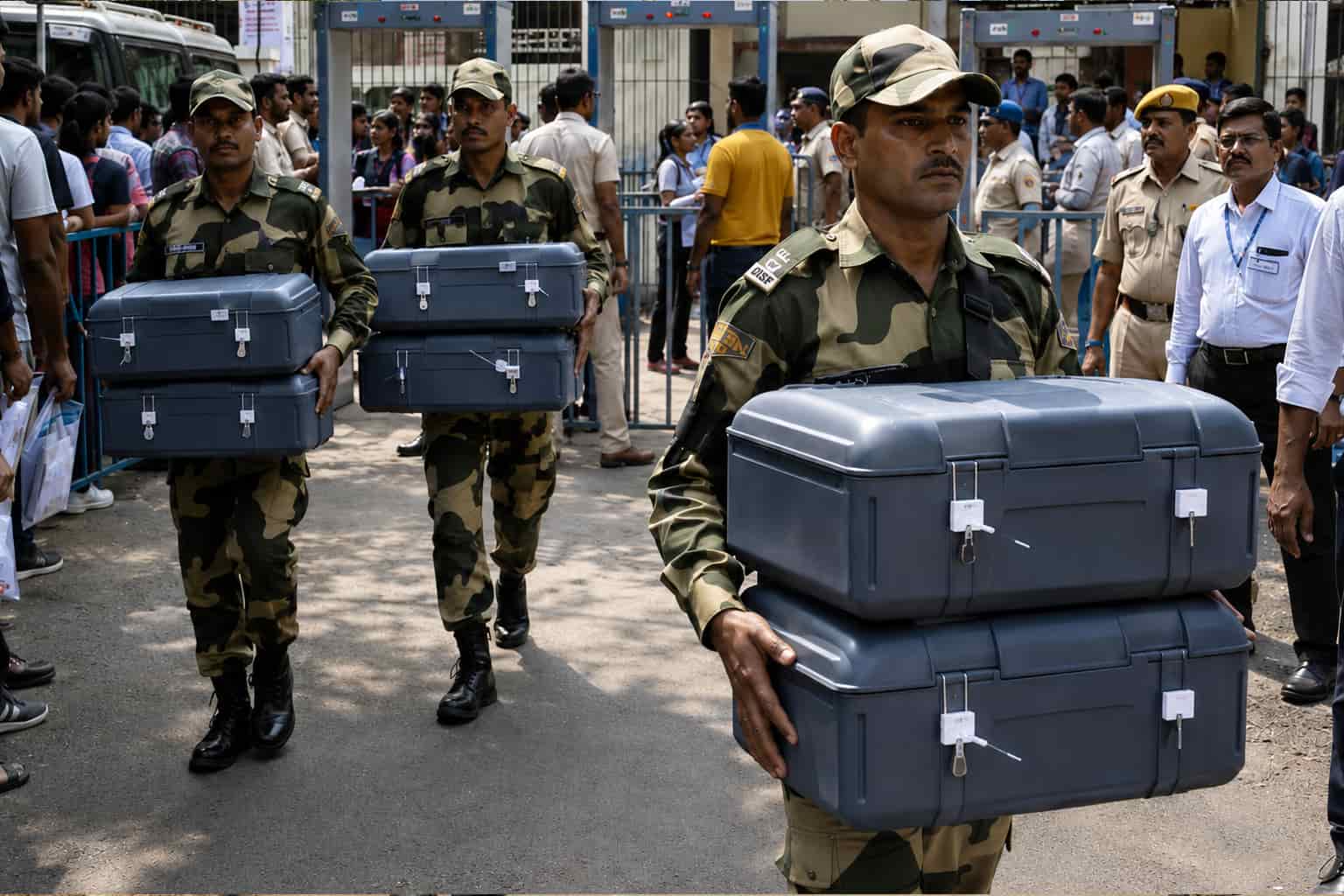
In India, the armed forces are often called when a crisis becomes difficult for normal administration to handle. Flood rescue, earthquake relief, evacuation missions, emergency logistics and humanitarian assistance are areas where the Army, Navy and Air Force have repeatedly supported the country.
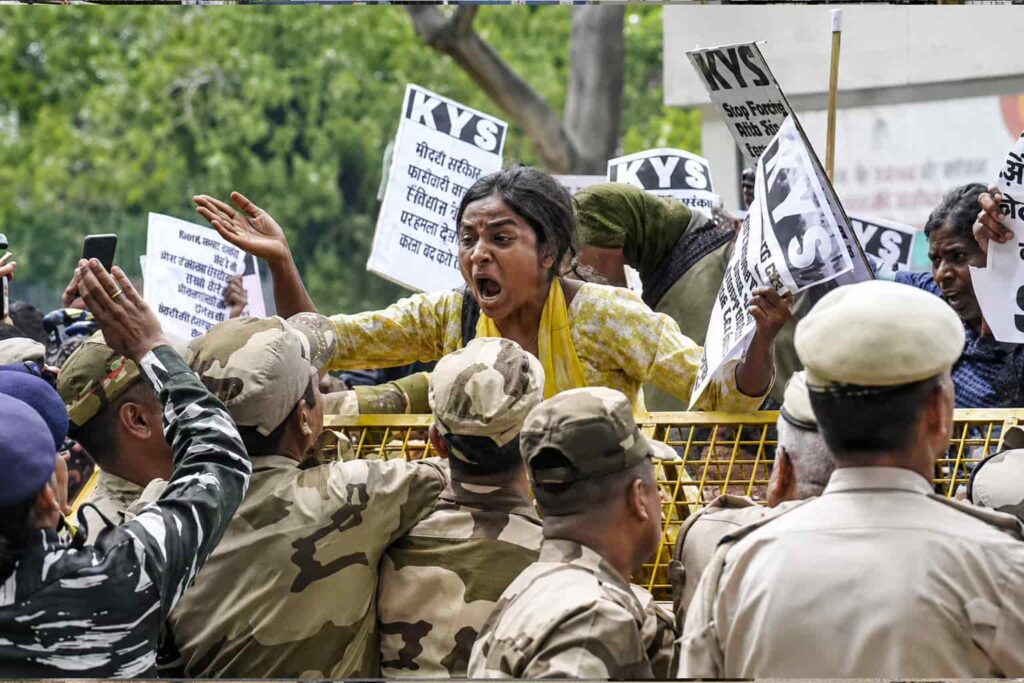
This support is known as aid to civil authority.
The idea is simple. When civilian agencies face a situation beyond their immediate capacity, military resources can be used to save lives, restore basic movement and support emergency response.
But the important question is not whether the armed forces should help. They have always helped when the nation needed them. The real question is how often they should be used, and for what kind of tasks.
What does aid to civil authority mean?
Aid to civil authority means the military supports the civil administration during emergencies or exceptional situations.
This can include disaster relief, evacuation, rescue operations, medical support, engineering assistance, transport, communication support and other urgent tasks.
The armed forces have unique strengths. They have trained manpower, disciplined units, transport aircraft, helicopters, boats, engineering teams, medical resources and the ability to operate in difficult conditions.
During a real disaster, these capabilities can save time and lives.
Why the military should not become the default option?
Military support should remain available, but it should not become the first answer for every administrative difficulty.
There is a difference between emergency support and routine substitution.
If a flood has cut off villages, if citizens are trapped, if roads are broken, if helicopters are needed, or if civil agencies are overwhelmed, military assistance is justified.
But if a task can be handled by normal government departments, local administration, disaster response agencies or civilian contractors, the military should not be used only because it is faster or more convenient.
A serious country must protect its military resources for the purpose they are primarily designed for: national defence and operational readiness.
Why combat readiness matters?
The armed forces are not ordinary manpower pools.
Their main responsibility is to remain ready for war, border security, counter-terrorism, counter-insurgency and other national security tasks.
Every deployment has a cost. A helicopter sortie affects flying hours and maintenance. A troop movement affects training and rest cycles. Repeated non-military tasking can affect preparation, planning and operational focus.
Combat readiness is not created suddenly during a crisis. It is built every day through training, maintenance, discipline, logistics and leadership.
That is why non-military use of military assets should be measured carefully.
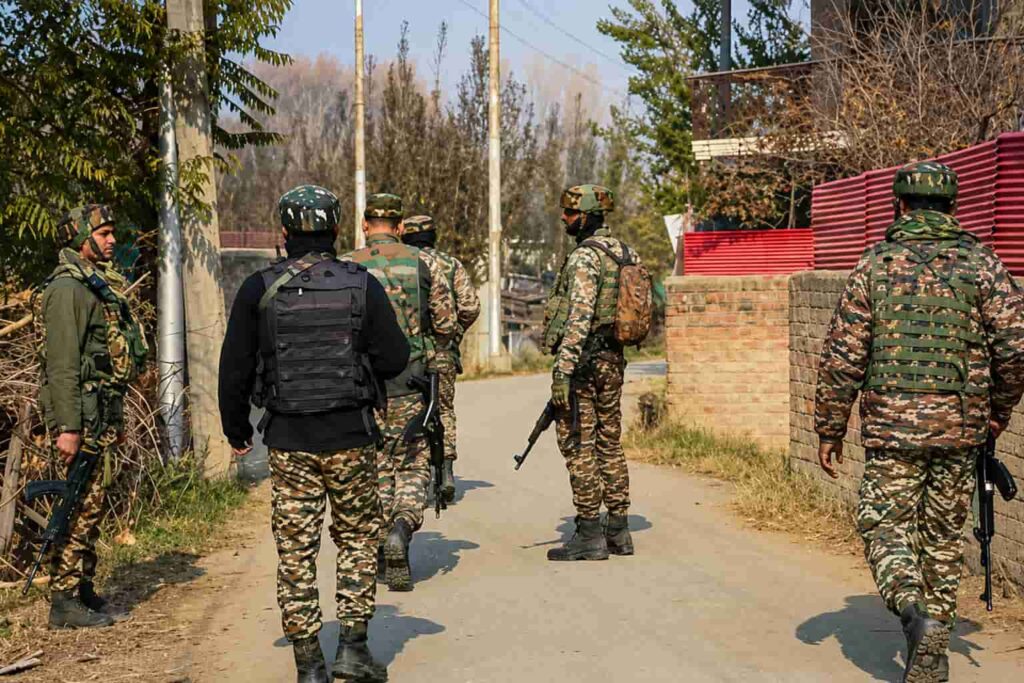
Where military support is clearly justified?
Military assistance is justified when the situation involves immediate risk to life, major disaster, urgent evacuation, collapsed infrastructure, extreme weather or a crisis beyond local capacity.
Examples include:
Flood rescue
Earthquake relief
Cyclone response
Evacuation from conflict or danger zones
Medical or logistics support during national emergencies
HADR operations where specialised military capacity is required
In such situations, military support is not a luxury. It becomes a national necessity.
Where restraint is needed?
Restraint is needed when the task is routine, predictable or manageable through civilian systems.
If the requirement can be met through state disaster response forces, local administration, civil aviation, private logistics, public works departments or other civilian mechanisms, those options should be used first.
This is not about denying military help. It is about using the right institution for the right task.
When the military is used too often for civil work, civilian systems may stop improving. Departments may start depending on military efficiency instead of building their own capacity.
That is not healthy for governance.
Why civilian capacity must improve?
A strong nation needs strong armed forces, but it also needs strong civilian institutions.
Disaster response agencies must be trained. State administrations must prepare emergency plans. Local bodies must maintain equipment. Transport and communication systems must have backup arrangements. Civil departments must learn to respond quickly without waiting for military intervention every time.
The military should remain the reserve strength for situations where ordinary systems cannot cope.
This balance protects both governance and national security.
Aid to civil authority is necessary, but it should be used with judgement.
The armed forces have the discipline and capability to respond quickly, which is why citizens trust them. But that trust should not become a reason to overuse them for tasks that civilian systems should handle.
Calling the military during a real emergency is responsible governance. Calling it for avoidable administrative convenience is a sign that civilian capacity needs improvement.
The better approach is clear: build stronger civil systems, keep military support available for genuine crises, and protect the operational readiness of the armed forces.
Why this issue matters for citizens?
Citizens often see only the final result: soldiers rescuing people, aircraft delivering relief or military teams restoring access.
But behind every such mission is a larger system cost. Equipment is used. personnel are diverted. training schedules are affected. maintenance cycles change.
That does not mean help should be denied. It means help must be requested for the right reasons.
Respecting the armed forces is not only about praising them after a rescue. It is also about ensuring that their main mission is not diluted.
Final takeaway
Aid to civil authority is an important part of India’s emergency response system.
The armed forces should be called when lives are at risk, when civilian systems are overwhelmed and when specialised military capability is genuinely required.
But routine civil tasks should first be handled by civilian departments and disaster response agencies.
The right balance is simple: use the military when the country needs military capability, but build civil institutions strong enough to handle normal responsibilities.
That is how India can protect both public safety and military readiness.
Sources:-
Ministry of Defence Annual Report 2024-25:
https://mod.gov.in/sites/default/files/Annual-Report-of-MoD-2024-25.pdf
NDMA HADR Guidelines, October 2024:
https://ndma.gov.in/sites/default/files/PDF/Guidelines/HADR_Guideline_Oct_2024.pdf
PIB: Indian Armed Forces in Humanitarian Assistance and Disaster Relief:
https://www.pib.gov.in/PressReleasePage.aspx?PRID=2228319&lang=1®=3
PIB: Ministry of Defence Year End Review 2023, HADR operations:
https://www.pib.gov.in/PressReleaseIframePage.aspx?PRID=1989502&lang=2®=3



Leave a Reply