

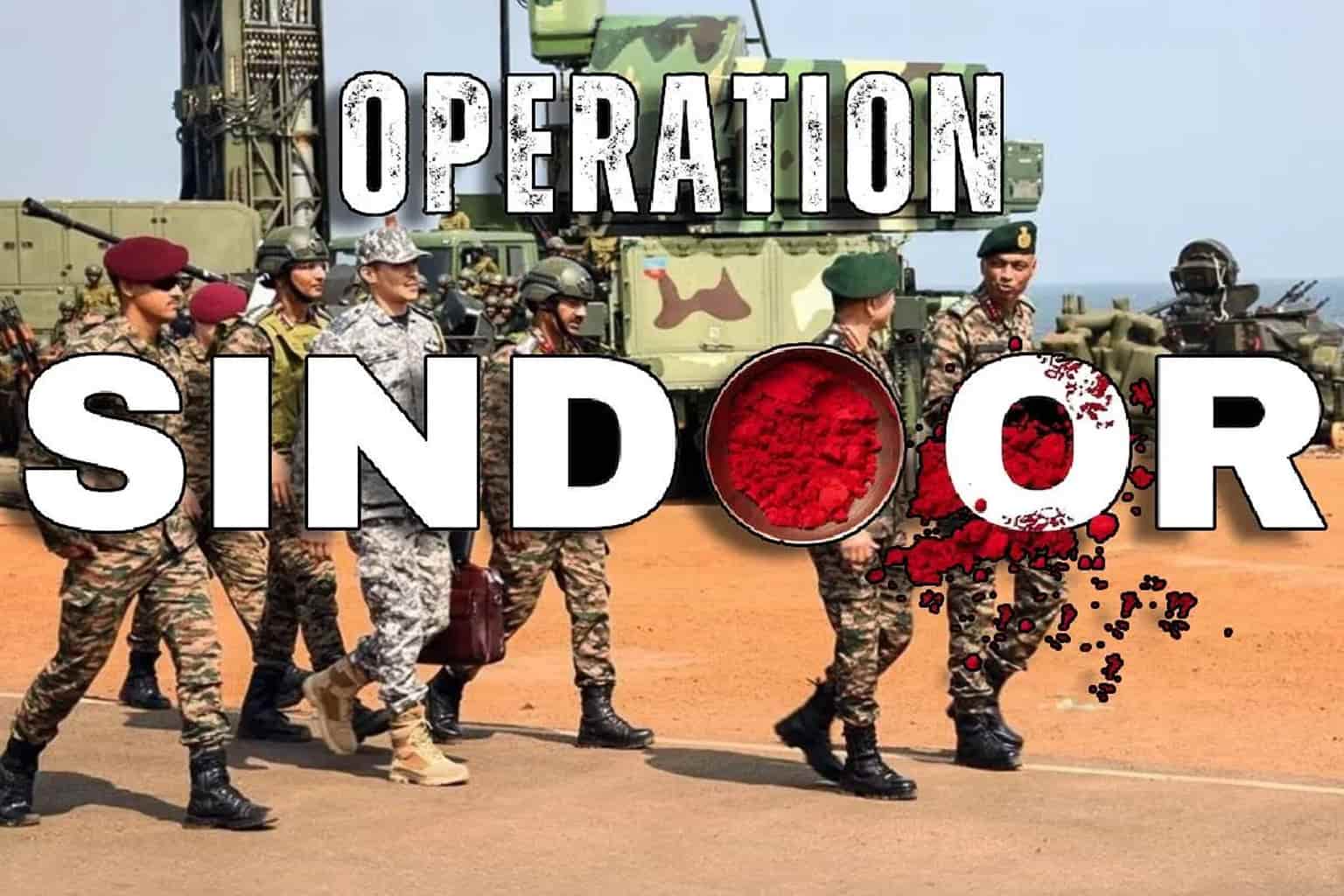
Army Chief General Upendra Dwivedi’s remarks at the 150th National Defence Academy Passing Out Parade have brought Operation Sindoor 2.0 back into national discussion. His message was not a war announcement, but a clear signal that India’s armed forces remain alert, prepared and focused on future warfare, jointness and operational readiness.
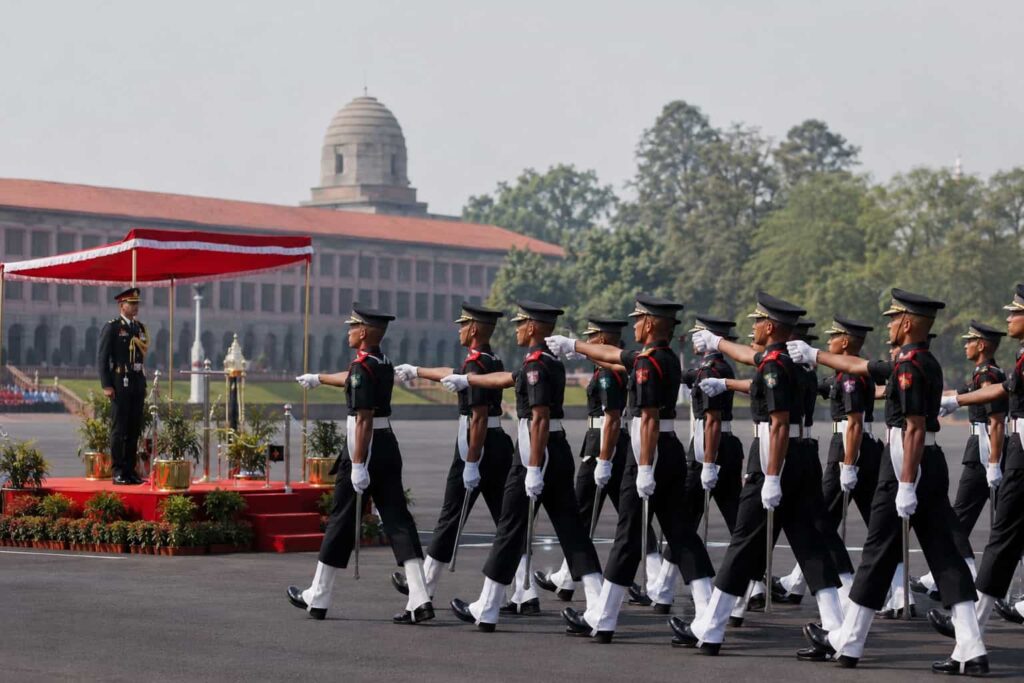
The National Defence Academy Passing Out Parade is always an emotional moment.
For the cadets, it is the end of one journey and the beginning of another. For the families sitting in the stands, it is a day of pride, tears and silent prayers. For the country, it is a reminder that young men and women are preparing to carry the responsibility of the uniform.
But the 150th NDA Passing Out Parade at Khadakwasla carried a message that went beyond ceremonial marching.
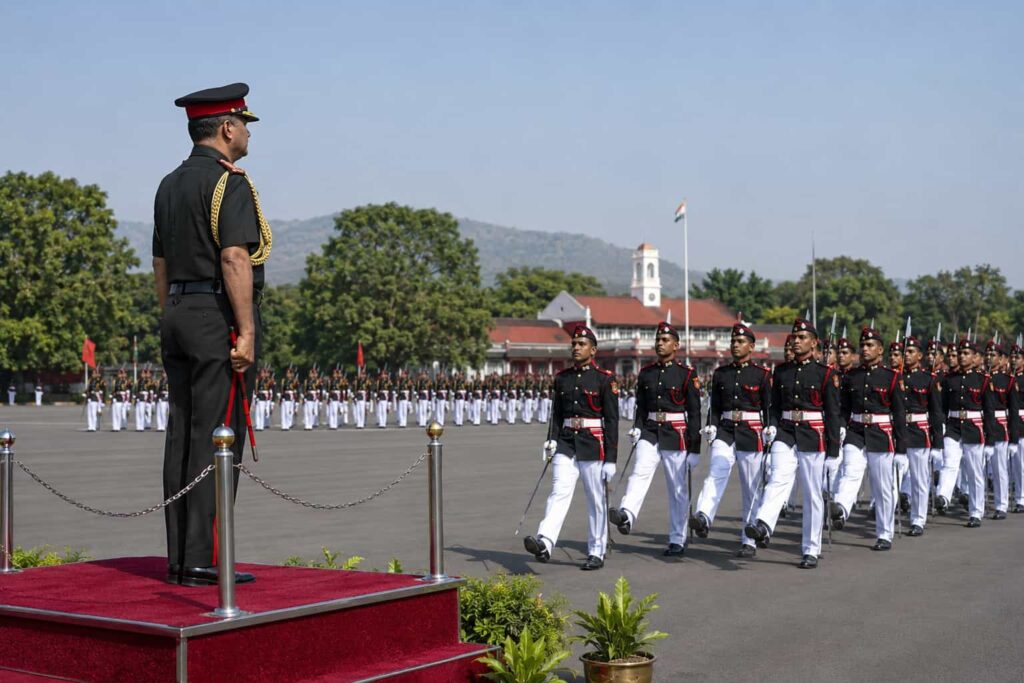
Army Chief General Upendra Dwivedi, who reviewed the parade, spoke about India’s preparedness and the possibility of Operation Sindoor 2.0 if the situation demands it. The statement immediately drew attention because it came from the Chief of Army Staff, and because it was delivered before young cadets who are about to enter a very different kind of military future.
This needs to be understood with maturity.
The Army Chief did not announce that a new operation has begun. He did not say that war has started. His message was about readiness. It was about preparedness. It was about telling the country, the armed forces and the next generation of officers that India remains alert in a challenging security environment.
Why the NDA setting made the message important?
A Passing Out Parade is not just a formal event.
It is where cadets cross the Antim Pag, the final step, before moving towards their respective pre-commission training academies and future service roles. It is a symbolic moment where training, discipline and sacrifice take a new direction.
According to PIB, the 150th NDA Passing Out Parade was held on 30 May 2026 at Khetarpal Parade Ground. A total of 353 cadets crossed the Antim Pag, including 18 women cadets and 24 cadets from 12 friendly foreign countries. General Upendra Dwivedi was the Reviewing Officer.
These details matter because the Army Chief’s statement was not made in an ordinary setting. It was made in front of future officers. It was made at a place where leadership is shaped. It was made on a day when cadets were being reminded that military life is not only about ceremony, but about responsibility.
That is why his reference to Operation Sindoor 2.0 must be seen as a lesson in readiness for the next generation.
What the Army Chief’s Operation Sindoor 2.0 message means?
News On AIR reported that General Upendra Dwivedi said the Indian Armed Forces remain on high operational alert and are prepared for Operation Sindoor 2.0 if further military action becomes necessary. He also linked Operation Sindoor with India’s resolve and stressed the importance of synergy among the armed forces.
This is the core of the story.
The message is not that conflict has been declared. The message is that the forces are ready if required.
In national security, readiness itself is a powerful signal. It tells adversaries that India is not unprepared. It tells citizens that the armed forces are watching the situation seriously. It tells young officers that modern military leadership requires constant alertness, not comfort.
The Army Chief’s words also show that Operation Sindoor is being treated as an important reference point in India’s recent military thinking. It is not only remembered as an operation, but also as a lesson in precision, resolve, coordination and preparedness.
Why tri-service synergy is central to the story?
One of the most important parts of General Dwivedi’s remarks is the focus on synergy among the Army, Navy and Air Force.
For many citizens, tri-service synergy may sound like a technical phrase. But in simple terms, it means that the three services cannot work in separate boxes anymore. Future conflicts may demand a combined response. The Army may operate on land, the Air Force may provide strike and surveillance support, the Navy may maintain pressure at sea, and cyber, space, drones and intelligence systems may operate in the background.
Modern warfare does not wait for slow coordination.
It moves fast. It is watched in real time. It is influenced by technology, media, drones, satellites, cyber systems and public perception. That is why the Army Chief’s message on jointness matters.
Times of India reported that General Dwivedi said India is preparing for Operation Sindoor 2.0 and that all three services are equipping themselves for the next warfare. This points to a larger military direction: India’s armed forces are preparing not only for today’s threats, but for the shape of future conflict.
The battlefield is changing.
It is no longer limited to trenches, posts and borders. It can include cyber attacks, satellite surveillance, drone swarms, electronic warfare, social media narratives, air defence systems, precision strikes and rapid mobilisation. In such an environment, no single service can handle every dimension alone.
Joint planning is no longer optional. It is essential.
What this means for future officers?
For NDA cadets, the Army Chief’s message was more than a current affairs update.
It was a warning and a lesson.
The officers who are passing out today will lead soldiers in an era where the battlefield is more transparent and more complex than before. Movements can be detected. Communications can be monitored. Images can spread instantly. Drone surveillance can expose positions. False narratives can travel faster than official clarification.
This means the future officer must be more than brave.
He or she must be calm under pressure, aware of technology, disciplined in communication, and capable of working with other services. A young officer may have to understand drones, sensors, cyber risks, air defence, information warfare and civilian protection along with traditional leadership.
Courage will always remain the soul of soldiering. But modern courage must be supported by judgement.
That is why the Army Chief’s statement at NDA has a deeper meaning. He was not only talking about Operation Sindoor 2.0. He was telling future officers what kind of military world they are entering.
Why citizens should read this carefully?
Whenever a military statement becomes public, there is a risk of overreaction.
Some people may treat the statement as a war announcement. Some may use it for dramatic headlines. Some may claim that a new operation has already started. That would not be responsible.
The correct reading is more careful.
The armed forces are prepared if required. The situation is being watched. The services are working on readiness. India’s military posture remains alert. But preparedness is not the same as immediate action.
In defence reporting, this distinction is very important.
A strong military does not speak loudly every day. It prepares quietly, trains continuously, studies lessons, improves coordination and stays ready for any situation. The Army Chief’s remarks should be read in that professional frame.
There is seriousness in the statement, but not panic.
There is a warning, but not recklessness.
There is preparedness, but not sensationalism.
Why Operation Sindoor remains important?
Operation Sindoor has already become a major reference in India’s recent security conversation. The Army Chief’s mention of Operation Sindoor 2.0 shows that the lessons of that operation continue to influence planning and thinking.
News On AIR reported that General Dwivedi said Operation Sindoor reflected national resolve and highlighted synergy among the armed forces. That is important because future operations will depend not only on bravery, but also on precision, coordination and timing.
Modern military action must achieve its objective while controlling escalation, protecting civilians, maintaining operational secrecy and keeping national interest at the centre.
That is a difficult balance.
The Army Chief’s message suggests that India is preparing for that kind of complex environment.
Theatre commands and future reforms
The Indian Express reported General Dwivedi’s remarks in the context of preparation for Operation Sindoor 2.0 and linked the larger discussion with theatre command and future military reforms.
This is another important layer.
India has been moving towards greater jointness among the Army, Navy and Air Force. Theatre command discussions are part of that larger reform direction. The basic idea is to improve combined planning and operational efficiency so that military resources can be used more effectively during crisis and conflict.
For a defence watcher, this is not a small point.
Operation Sindoor 2.0 is not only a headline about possible future action. It is also connected with the larger question of how India’s armed forces prepare, coordinate and modernise.
Message for defence aspirants
For defence aspirants watching this story, the lesson is clear.
The future officer must prepare for more than physical courage. The future officer must understand the country, technology, joint operations, discipline, ethics and responsibility. The uniform will demand mental sharpness along with physical fitness.
An officer may have to lead soldiers in difficult terrain. But he may also have to understand surveillance, drones, cyber threats, information warfare and media pressure. He may have to take decisions where one mistake can have strategic consequences.
This is why NDA training, SSB selection, pre-commission training and service leadership are becoming even more important.
The Army Chief’s statement is a reminder that military service is entering a more demanding phase.
Message for veterans and defence families
For veterans, the statement may sound familiar in spirit. Preparedness has always been a part of military life. But today’s preparedness includes many new dimensions.
Veterans understand that readiness is not created in one day. It comes from training, discipline, logistics, leadership, morale and coordination. Families of soldiers also understand that high alert is not an easy phrase. It means long hours, uncertainty, separation and silent pressure.
That is why this story should be reported with respect.
Behind every statement of readiness, there are soldiers, sailors, air warriors and families who carry the burden of national security.
The balanced takeaway
The most responsible way to understand the Army Chief’s remarks is simple.
Operation Sindoor 2.0 has not been announced as a launched operation in these reports. The message is that India’s armed forces are prepared if the situation requires further military action.
This is a statement of readiness.
It reflects alertness after Operation Sindoor. It reflects the importance of tri-service coordination. It reflects the changing nature of warfare. It reflects India’s focus on modernisation and future military preparedness.
At the NDA parade ground, young cadets crossed the Antim Pag and stepped towards a life of service. On the same day, the Army Chief reminded them and the nation that the future battlefield will demand more than courage. It will demand discipline, technology, jointness, restraint and resolve.
That is the real story.
Not panic.
Not overstatement.
Not sensationalism.
The real story is that India’s armed forces are preparing seriously for any situation, while the next generation of officers is being shaped for a battlefield that is faster, sharper and more complex than before.
Sources:-
PIB event confirmation:
https://www.pib.gov.in/PressReleasePage.aspx?PRID=2266950&lang=1®=1
News On AIR confirmation:
https://newsonair.gov.in/army-chief-says-forces-on-high-alert-ready-for-operation-sindoor-2-0-if-required/
Times of India report:
https://timesofindia.indiatimes.com/defence/news/india-preparing-for-operation-sindoor-2-0-army-chief-upendra-dwivedi-says-tri-services-equipping-for-next-warfare/articleshow/131403808.cms
Indian Express report:
https://indianexpress.com/article/india/army-chief-armed-forces-preparing-well-for-operation-sindoor-2-0-if-it-takes-place-10716328/



Leave a Reply