

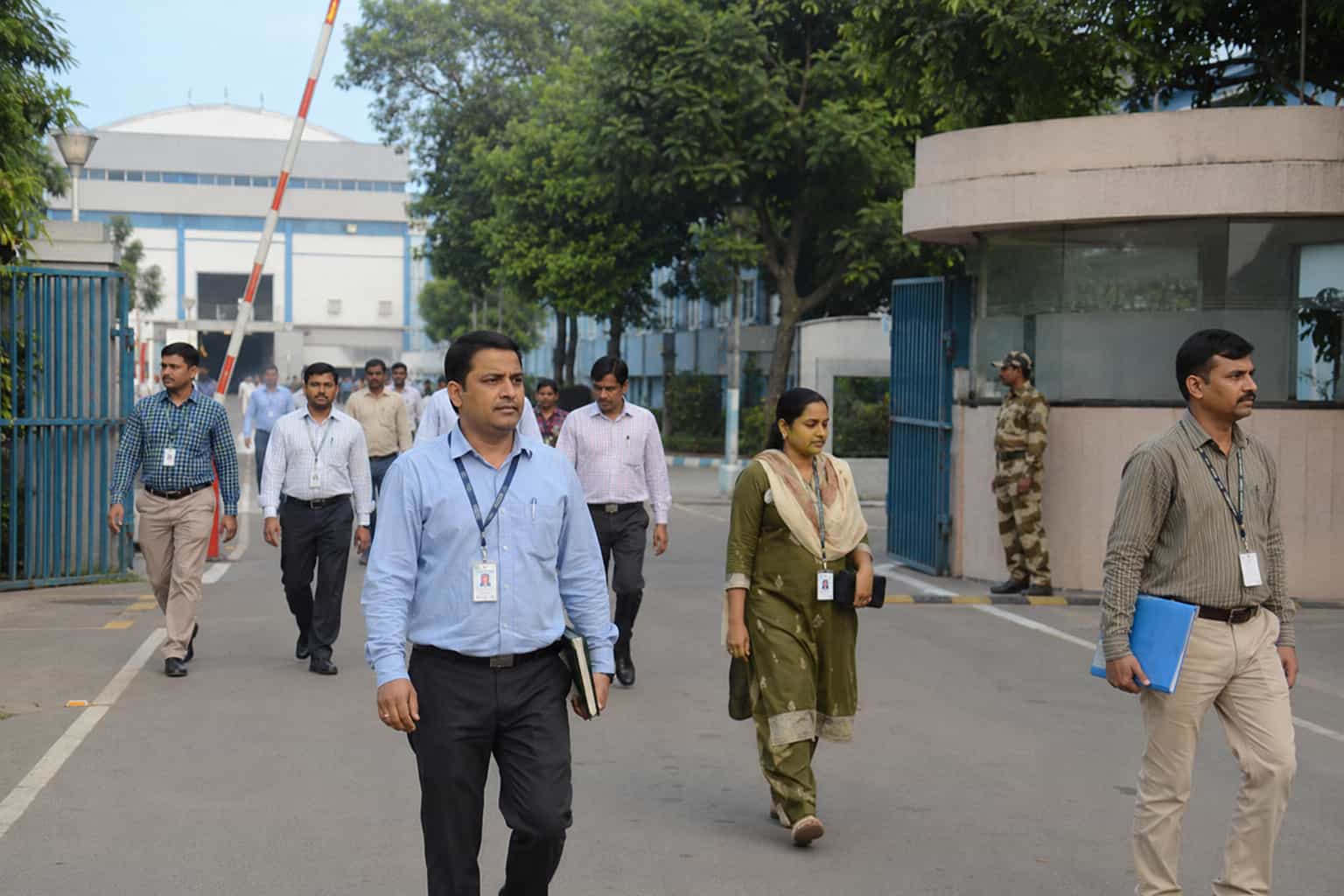
When most people hear about the 8th Pay Commission, they immediately think of fitment factor, minimum salary, pension revision and Dearness Allowance. But the next pay commission is not only about general salary revision. It is also about who gets included fairly in that revision framework and under what service identity. That is exactly why the latest defence civilian issue deserves attention.
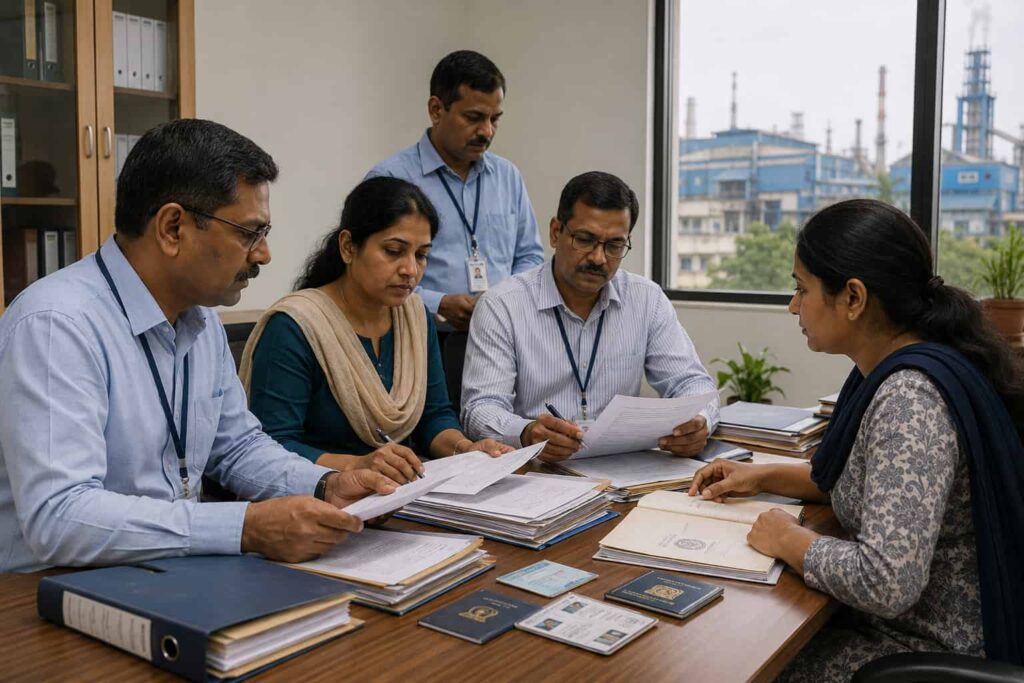
According to a recent Economic Times report, around 62,000 defence civilian employees working in seven defence public sector undertakings are seeking formal protection of their central government employee status before the 8th Pay Commission process moves ahead further. The report says these employees are currently serving under deemed deputation and want clarity because their pay structure, retirement security, promotion benefits and long-term service interests are closely linked with how the government treats their status going forward.
This is not a small technical issue hidden inside government paperwork. It goes to the core of financial and service security.
For an employee, service status is not just a label. It influences salary rules, pension protection, leave conditions, medical facilities, career progression and the overall framework under which future benefits are calculated. That is why this issue has become sensitive before the 8th CPC. If there is uncertainty over whether these employees are treated fully in line with central government service conditions, then the coming pay revision becomes much more than a routine salary story. It becomes a question of parity and protection. This is a reasonable inference from the official service-condition language in government documents and the employee-side demand reported by ET.
To understand this properly, one has to go back to the corporatisation of the Ordnance Factory Board.
The Government of India restructured the old OFB system into seven new defence public sector undertakings from 1 October 2021. That structural shift is the background to the present demand. Once that transition happened, the big question for employees was obvious: what happens to their service conditions, and how long do they continue to remain protected under the central government framework while working in the new structure?
This is where the official documents become important.
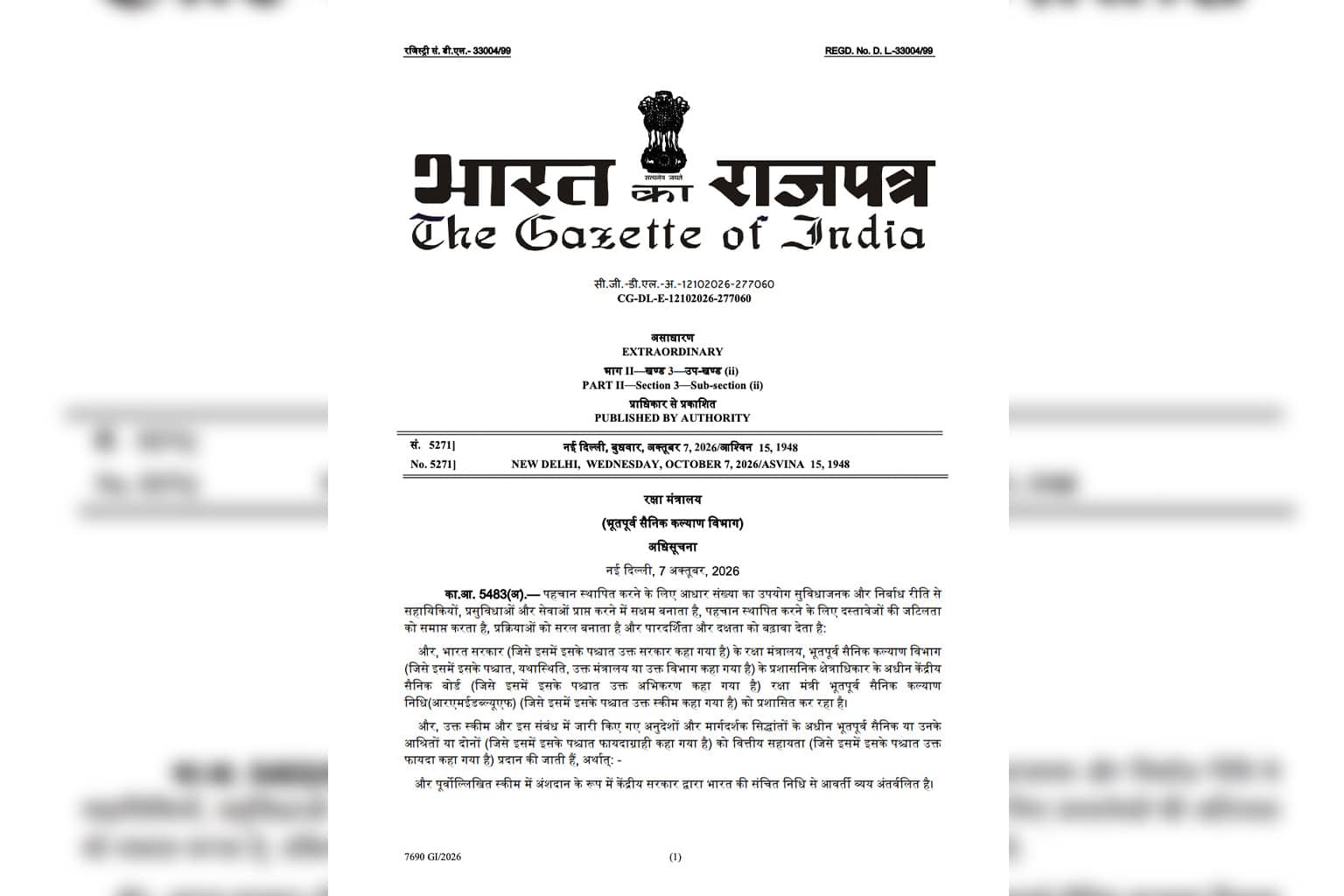
The Ministry of Defence, Department of Defence Production Office Memorandum dated 24 September 2021 clearly stated that OFB employees transferred to the new DPSUs would go on deemed deputation and, while on such deemed deputation, would continue to be governed by the extant rules applicable to central government servants in matters such as pay, allowances, leave, medical facilities, career progression and other service conditions. A later PIB release from February 2022 repeated that assurance in public language and said the government had explained that these service conditions would continue while the employees remained on deemed deputation.
That official background gives strength to the present employee-side argument.
The demand being raised now is not being made in a vacuum. Employees are not inventing a new theory. They are building on an existing official framework that already recognised continuity of central government service conditions during deemed deputation. The real concern now is whether that protection will remain strong and clear enough as the 8th Pay Commission approaches and long-term service implications become more serious.
This is why the timing of the issue matters.
The Economic Times report links the fresh momentum to discussions around the 49th NC-JCM meeting and says employee representatives became hopeful after assurances connected to that process. Another ET report on the same broad meeting context shows that staff-side concerns around defence civilian issues, including deemed deputation-related matters, were very much alive in current discussions. That means the status question is not merely an old unresolved file. It has returned to the centre of employee concern at a time when 8th CPC expectations are rising.
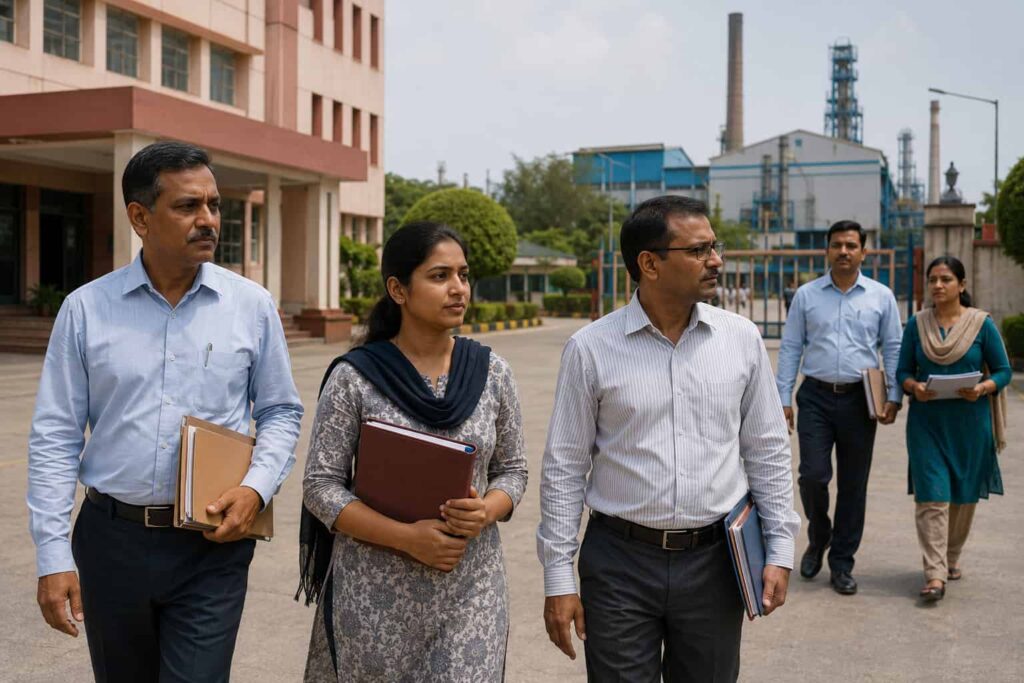
For employees, the anxiety is understandable.
If a pay commission is about to shape the next major revision in salary, pension and service-related benefits, workers naturally want clarity on the legal and administrative basis on which they will be treated. A person who is unsure about service status will also worry about future pension protections, parity with other central employees, promotional avenues and the long-term meaning of retirement benefits. In that sense, this is not just a defence PSU issue. It is also a pension and service-rights issue. This is an inference from the nature of pay commission impact and the central service-condition protections already cited in official documents.
There is another reason this story is important.
It shows how the 8th Pay Commission is slowly becoming more complex than a simple salary hike conversation. Different employee groups are not only asking how much pay may rise. They are also asking whether the structure of service itself will treat them fairly. In some cases, the demand is about fitment factor. In others, it is about pension or allowances. Here, the demand is about formal identity and continuity of central government status. That makes this one of the more serious and structurally important employee stories in the 8th CPC landscape right now.
At the same time, this issue must be reported carefully.
The strongest official documents available in public search confirm the original deemed deputation framework and continuation of central government service conditions during that period. There are also Department of Defence Production pages showing that the deemed deputation issue remained active and extensions were formally dealt with later as well. But I did not find a fresh public government notification specifically stating that the present 62,000-employee demand has now been finally approved in the exact way employee bodies want. That distinction is extremely important for accurate reporting.
So the correct reading is this.
The employees’ concern is genuine. The official background is real. The continuity of central government service conditions during deemed deputation is well documented. The issue has clearly gained new momentum before the 8th Pay Commission. But the final public proof of a new notified government decision specifically settling the present demand was not visible in the sources reviewed.
That does not weaken the story. In fact, it strengthens it as a live issue.
What makes this a strong article topic is that it sits exactly at the point where employee expectation, official background, pay commission timing and administrative uncertainty meet. It has a clear human impact. It affects thousands of families. It has direct implications for salary parity, pension confidence and service security. And it connects to the larger national conversation on how the 8th CPC may reshape the future of central government-linked employees.
The biggest takeaway for readers is simple.
This is not yet a final victory story. It is a developing 8th Pay Commission-related pressure point. Defence civilian employees want formal protection of their central government status because they do not want ambiguity at a time when the next major pay revision could affect every major part of service life. The official papers support their background claim. The fresh media reports show the demand has sharpened. What remains to be seen is whether the government now issues a clearer and more final position in public.



Leave a Reply