

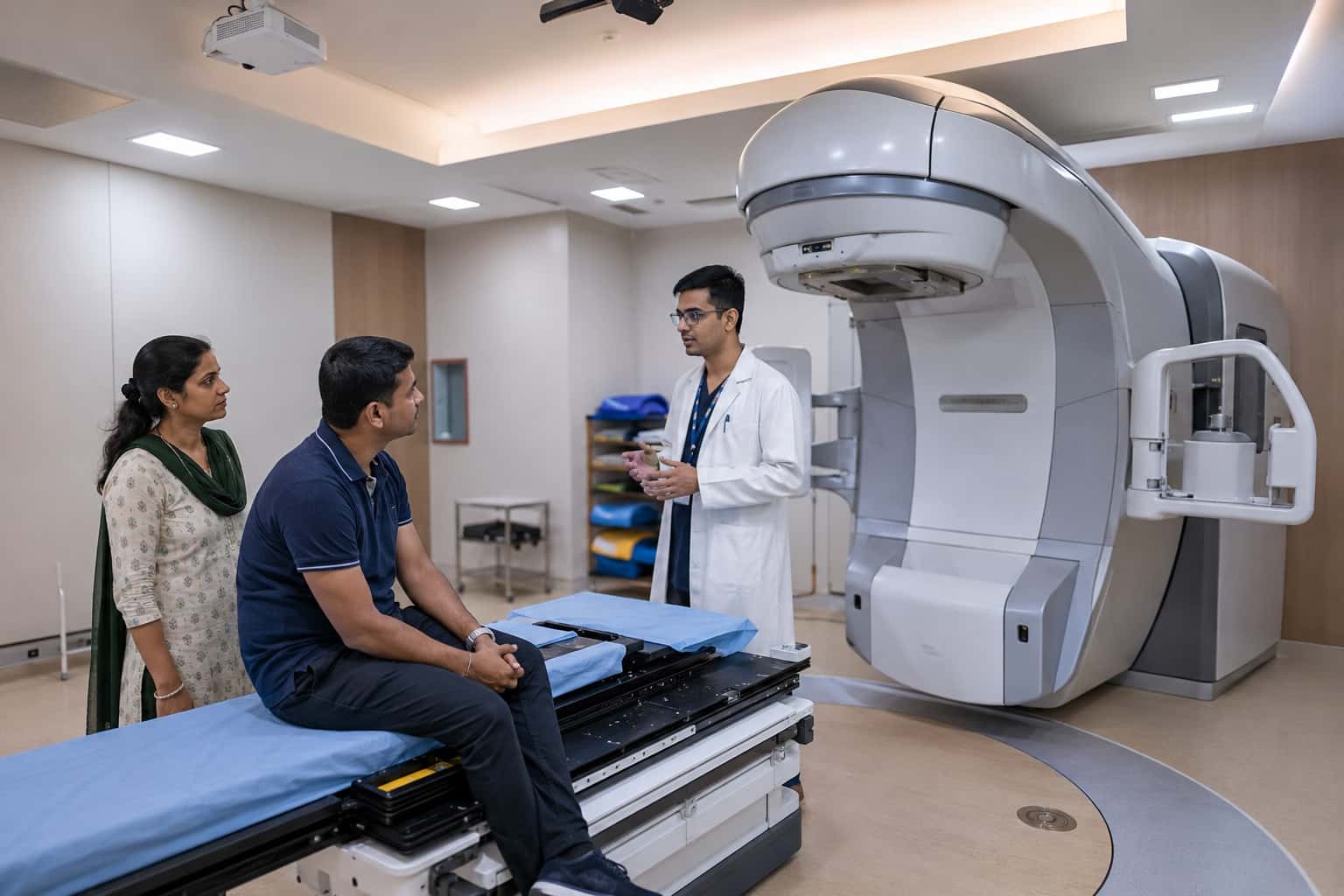
Most defence news gets attention when it involves weapons, strategy, exercises or policy. But some of the most meaningful developments happen quietly inside institutions that affect military life in a much more personal way. A hospital upgrade may not trend like a fighter jet story, yet for a family facing a serious illness, it can matter far more than any headline about hardware.
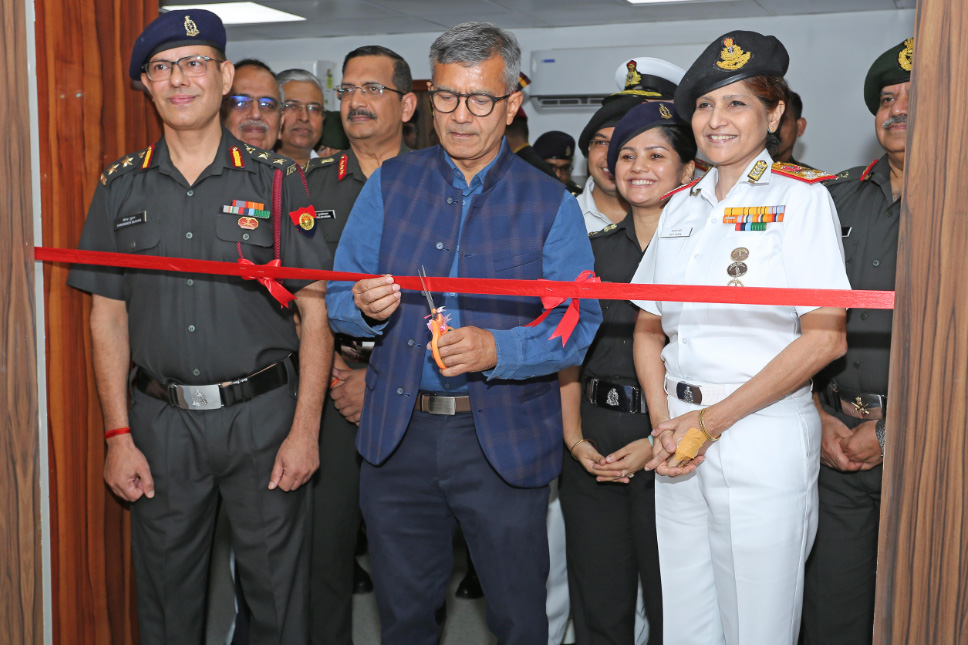
That is why the update about Army Hospital (R&R) commissioning modern radiotherapy technology deserves to be read carefully.
At first glance, it may sound like a technical medical development. In reality, it is a people story. It is a story about how defence healthcare is trying to improve its ability to support men and women in uniform, veterans after retirement, and families who depend on the armed forces medical system not only in emergencies, but also in long and difficult health battles.
Cancer treatment is one of those battles.
When a family hears that someone needs radiotherapy, life changes immediately. The challenge is not only medical. It becomes emotional, logistical and financial. Families begin asking difficult questions. Where will treatment happen? How often will travel be required? Will care be timely? Will the system be reliable? Can the patient continue treatment with dignity and less disruption? In military families, these questions become even more sensitive because service life is already shaped by transfers, separation, duty pressure and uncertainty.
That is exactly why better radiotherapy capability inside Army Hospital (R&R) matters.
The hospital has long been regarded as the premier medical institution of the armed forces, and recent developments suggest that its role is being expanded further. In November 2025, when a new commandant took charge, the public reporting around the appointment described Army Hospital (R&R) as the top medical institution of the armed forces and noted an emphasis on strengthening innovation and expanding capability.
Then, in April 2026, Defence Minister Rajnath Singh laid foundation stones for three new centres at Army Hospital (R&R), including an oncology centre, along with additional infrastructure at Base Hospital in Delhi Cantonment. That step alone showed that cancer care and speciality expansion were already part of a larger institutional push.
Even before that, reporting in September 2025 had linked a 200-bed oncology centre project at Army Hospital (R&R) to land and tree-clearance processes in Delhi Cantonment, showing that oncology expansion at the hospital had been in the works as part of a longer plan rather than a sudden decision.
Seen in that wider context, the commissioning of modern radiotherapy technology looks much bigger than a stand-alone hospital update.
It suggests that defence healthcare is moving step by step toward stronger in-house oncology support. That matters because cancer care is not a one-day intervention. It is a treatment journey. Patients often need repeated sessions, follow-up coordination, specialist supervision, and a system that reduces avoidable stress at a time when the family is already under pressure. The stronger the hospital’s treatment capability becomes, the better the chances that military families can remain within a more familiar and integrated medical ecosystem.
That is the human meaning of this story.
For a serving soldier or officer, it means the institution he serves is also trying to strengthen the system that may one day serve his family. For a veteran, it signals that the defence medical network is not standing still after retirement-related needs become more complex. For spouses and children, it builds confidence that the armed forces health infrastructure is trying to match difficult illnesses with more advanced care.
This is also why the story should not be written only in machine language.
Readers do not connect emotionally with words like commissioning, infrastructure or modernisation unless those words are tied to lived reality. The lived reality here is simple. Better radiotherapy technology can improve the treatment environment for serious patients. It can support more advanced cancer-care delivery. It can reduce the feeling that military families must always look outside the defence system for every high-end treatment need. And it can strengthen the role of Army Hospital (R&R) as a centre where specialised care is not merely promised, but actively expanded.
Another reason this story is strong is that it shows a different side of military readiness.
National security is often understood only through combat power. But the strength of the armed forces also depends on the strength of the medical system behind them. A soldier serves better when he believes his family can receive dependable care. A veteran ages with more dignity when he feels the institution still values his well-being. A military hospital becomes more meaningful when it combines discipline and compassion with updated medical capability.
That is why healthcare modernisation inside the armed forces should never be treated as secondary news.
It is easy to overlook a radiotherapy update because it does not come with the visual drama of aircraft or artillery. But for the families who may one day need that treatment, it is not secondary at all. It is central. It is about access, trust and timely care. It is about reducing the distance between diagnosis and treatment. It is about building a more confident relationship between defence families and the healthcare network meant to support them.
There is also a deeper message in the Army Hospital (R&R) story.
The recent oncology-related expansion points show that the hospital is being shaped not only as a large military hospital, but as an advanced speciality-care institution within the armed forces framework. The April foundation stone event for new ophthalmology, oncology and joint replacement centres was already a clear sign that high-end treatment capability is being treated as a long-term priority.
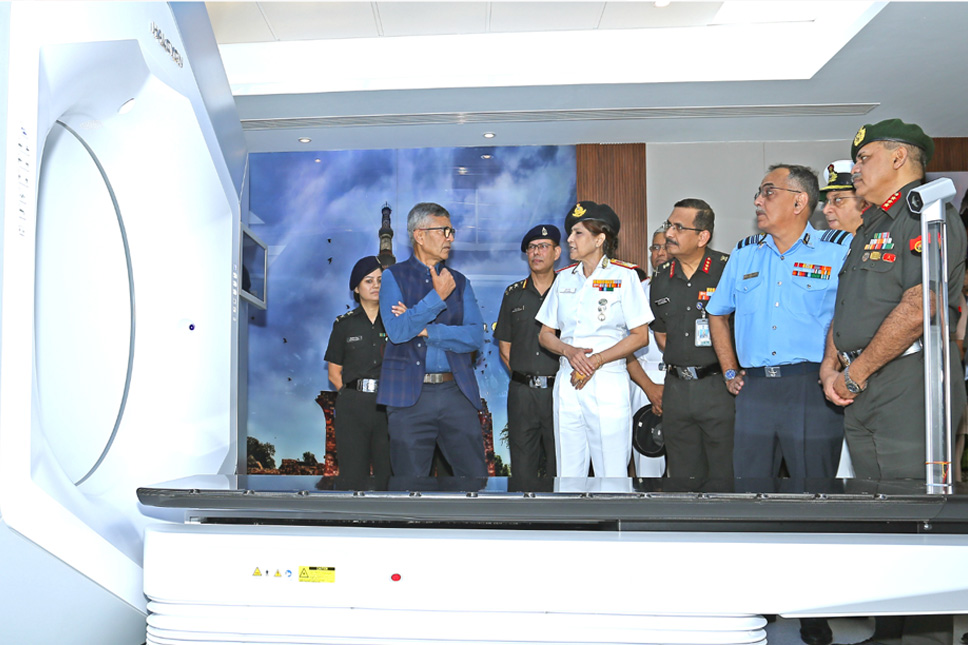
So when a fresh official update says modern radiotherapy technology has now been commissioned, it fits into a larger pattern. The pattern is this: defence healthcare is trying to upgrade from being only a support system to being a more advanced and dependable speciality-care ecosystem for the people it serves.
For defence families, that is a meaningful development.
It tells them that military medicine is not only about emergency response, field care or routine treatment. It is also about serious illnesses that require advanced infrastructure and specialised attention. In practical terms, that means a family facing a frightening diagnosis may have stronger hope inside a system they already know and trust.
That is the real story here.
Not just a new machine. Not just a new facility. Not just a hospital milestone.
It is a story about strengthening cancer-care capacity where it matters most for the defence community. It is a story about better support for serving personnel, veterans and dependents. And it is a story about how a major military hospital is trying to make treatment not only more advanced, but more meaningful for the people behind the uniform.




Leave a Reply