

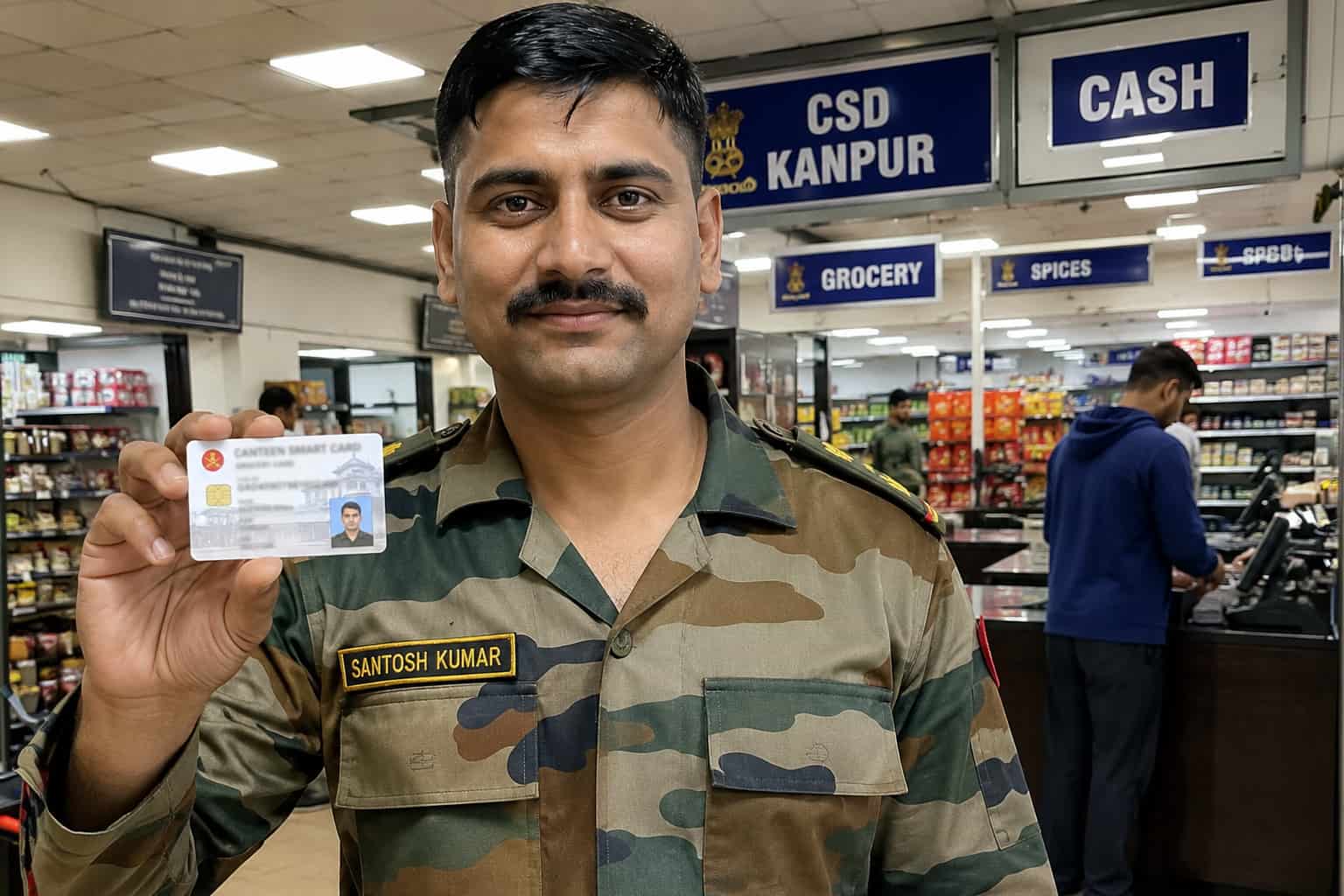
A serving soldier, a veteran or a dependent may travel to the canteen, select the required items and stand in line for billing, only to discover that the card is no longer valid. In that moment, the issue is not just technical. It becomes a practical problem that affects time, convenience and family planning. For an elderly ex-serviceman, a Veer Nari or a dependent who has travelled from a distance, such a situation can become especially frustrating.

That is why CSD Smart Card expiry and renewal deserve more attention.
In recent days, many beneficiaries have seen a social media graphic claiming that the issue date and possible expiry of the card can be understood from the card number itself. The example shown in the viral image suggests that the first six digits may reflect the date of issue, and that adding ten years could help estimate expiry. The explanation sounds simple, which is why many people found it believable.
But this is where caution becomes important.
That circulating image does not appear to be an official order or a formal notice issued by CSD or the Ministry of Defence. It does not carry the kind of official presentation or clarity that beneficiaries should depend on for final verification. So while the graphic may have reminded many people to think about card validity, it should not be treated as the final authority.
Still, the larger warning behind it is useful.
The real lesson is not about decoding a viral image. The real lesson is that defence families should not wait for the card to fail at the billing counter before checking its validity. If there is even a small chance that the card is close to expiry, the smarter step is to verify it early and start renewal through the proper channel.
This matters because official defence-linked material has already made one point clear: the CSD Smart Card does not remain valid forever. Guidance available through official veterans-related platforms indicates that the card generally has a ten-year life, and beneficiaries are advised to apply for a fresh card at least three months in advance. That practical advice is much more important than any WhatsApp forward.
The official CSD system also shows that renewal and related services are meant to be handled through the recognised smart card portal. This means beneficiaries should use the authorised online process for card renewal, replacement and status tracking, instead of depending on guesswork or informal advice.
In simple terms, the safest approach is straightforward. Do not wait for expiry. Do not wait for rejection at the billing point. Check early and renew early.
This is especially important because the renewal process may involve verification, payment, approval and dispatch timelines. Even if the online system is active, that does not mean everything happens instantly. A beneficiary who starts late may create unnecessary difficulty for the family.
For many households, the CSD card is not used only by the veteran himself. Spouses, dependents or family members often use it for regular grocery purchases. That is why the issue is not limited to one individual. If the main card expires, the family’s routine canteen access may be disrupted. This is why families should also check whether any dependent-linked use is likely to be affected if renewal is delayed.

Another important part of this story is digital safety.
Whenever there is confusion around renewal, expiry or online access, fake websites and unofficial agents quickly appear. This is where beneficiaries need to be alert. Official portals have already warned users not to share sensitive service-related details casually, and not to trust unknown agents or middlemen. Defence families should remember that no genuine renewal process should require them to hand over personal details to random callers, unofficial websites or unverified payment links.
This point becomes even more important for elderly veterans and widows, who may not always feel confident with online systems. In such cases, family members should help, but only through the official route. If any step is unclear, the safest options are to confirm through the Unit Run Canteen, the official CSD Smart Card portal or the recognised helpdesk. Guesswork is risky. Unofficial advice is riskier.
Beneficiaries should also avoid another common mistake. Many people assume that if the card is physically in good condition, it must still be valid. That is not always true. A card may look fine and still be close to expiry. That is why visible condition and actual validity should not be treated as the same thing.
The most practical step is to build a simple family checklist.
First, try to confirm how old the card is and whether it is approaching the ten-year mark.
Second, review any available receipts, card-related paperwork or canteen records that may help confirm the status.
Third, if there is any doubt, confirm through the official channel rather than relying on a social media image.
Fourth, begin renewal before the final stage instead of waiting until access is interrupted.
Fifth, never use unknown agents or links for renewal help.
This is a small action, but it can prevent a larger inconvenience.
For defence families, the CSD Smart Card is not just a piece of plastic. It represents access to an entitled benefit system that supports household budgeting in a meaningful way. When such a card stops working unexpectedly, the problem is not only administrative. It affects routine life, monthly purchases and peace of mind.
That is why awareness matters.
The viral image may have triggered discussion, but the more responsible takeaway is this: use it only as a reminder to check your card, not as proof of official policy. The real protection lies in timely verification, early renewal and strict use of authorised channels.
In the end, the message for serving personnel, veterans, widows and defence families is simple. If your CSD Smart Card is getting old, do not ignore it. Check the validity before it creates trouble. Start the renewal process in time. Use only official portals. And protect yourself from fake websites and middlemen.
A few minutes of checking today can save a long and frustrating visit tomorrow.

Leave a Reply