

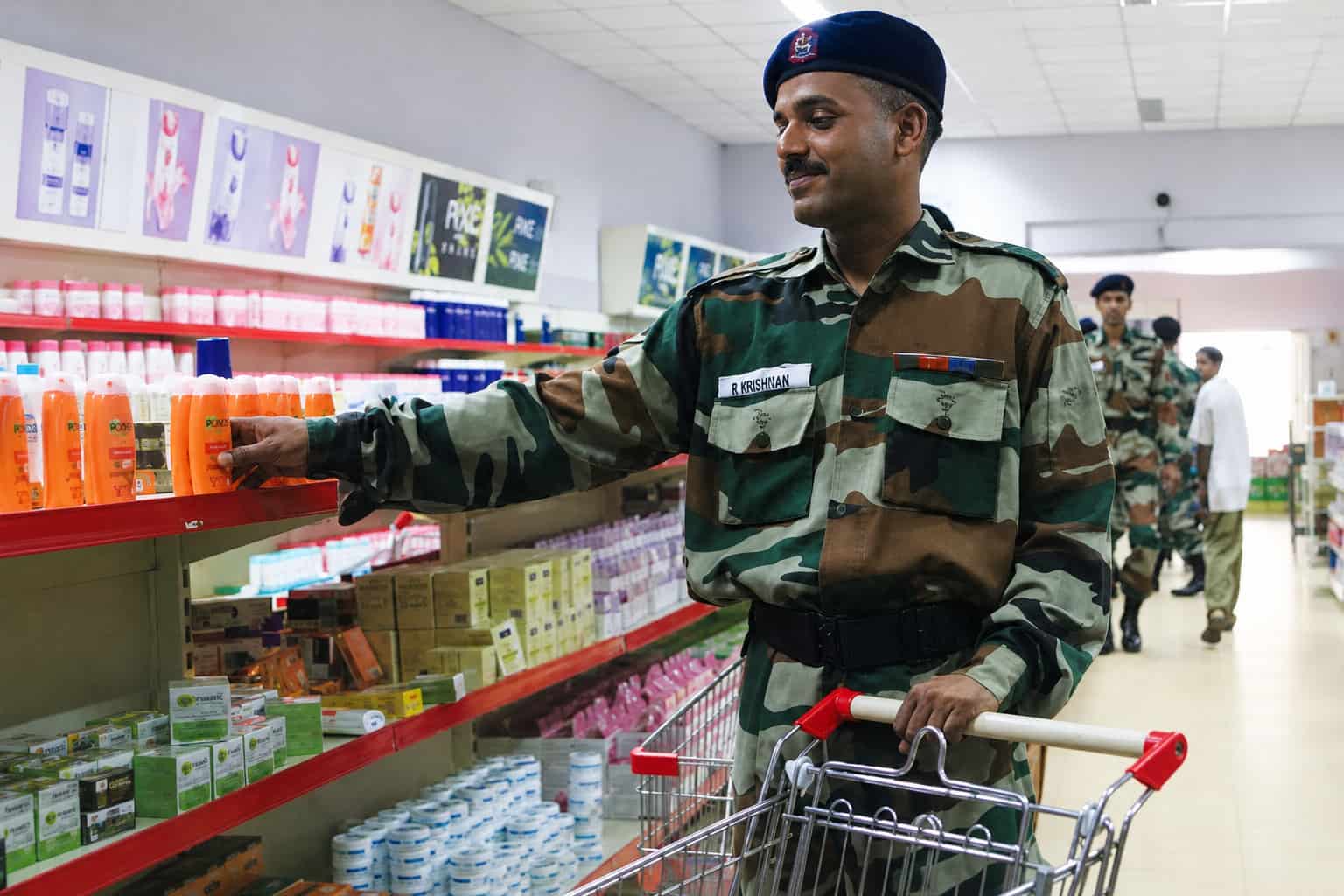
For many ex-servicemen and defence families, CSD is not just a place to buy goods at entitlement rates. It is part of the welfare structure that stays connected to service long after retirement. That is why even a small issue at the billing counter can create unnecessary stress, especially for elderly veterans, widows, disabled beneficiaries and dependents managing family responsibilities.
The recent discussion around CSD purchases by spouse, dependent or attendant has again brought one basic problem into focus. The biggest difficulty is not always the written rule. The real difficulty is how that rule gets applied on the ground.
That is why this matter deserves calm understanding.
A lot of panic starts when one incident at one counter gets turned into a general message for everyone. A beneficiary is stopped at a URC, someone records the issue, a letter begins circulating, and soon many families start believing that a new restriction has been imposed everywhere. In reality, many such situations arise not because the national rule has suddenly changed, but because interpretation differs from place to place.
This is what makes the present CSD debate important.
Veterans and families are not asking for unlimited flexibility. They are asking for practical treatment under existing entitlement rules. If a senior citizen is unable to travel, if a widow needs help, if the main card holder is sick, if an authorised dependent is purchasing on behalf of the beneficiary, then the system should work with clarity and dignity. It should not depend on which clerk is sitting at the counter or which canteen happens to be less informed than another.
That is the heart of the issue.
The rule environment, as discussed in welfare circles and past clarifications, already recognises that genuine beneficiaries may not always be able to appear personally. That is especially true in the case of old age, illness, disability, widowhood or family dependence. In such situations, the purpose of the system should be to verify properly and then facilitate the entitled purchase, not create avoidable hardship.
This is why the current panic over the so-called ATM card issue can be misleading.
A payment card is only one part of the transaction. The more important question is whether the purchase itself is being made by an entitled person or through an authorised process on behalf of the entitled beneficiary. If the purchase is valid under the rules and the canteen has the required verification, then the problem should not become a dramatic dispute over one mode of payment. In most cases, the confusion is administrative, not conceptual.
That is also why families should avoid reacting only to viral messages.
A screenshot without context can cause more damage than the original issue itself. One written reply, one local instruction or one isolated counter-level objection can travel across WhatsApp groups as if it were a fresh national policy. This creates fear among veterans and widows who may already be dependent on others for basic errands. The result is that genuine users begin feeling unsure of their own entitlement.
This uncertainty is unfair to those who served.
An elderly veteran should not have to worry every month about whether the same card and same documents will be accepted this time. A widow should not be left wondering whether a dependent child or authorised family member will be stopped at the counter. A disabled beneficiary should not be forced into repeated explanation just to buy entitled items. If the rules allow a genuine process of authorised purchase after verification, then that process must be implemented consistently and respectfully.
That is where uniform application matters more than anything else.
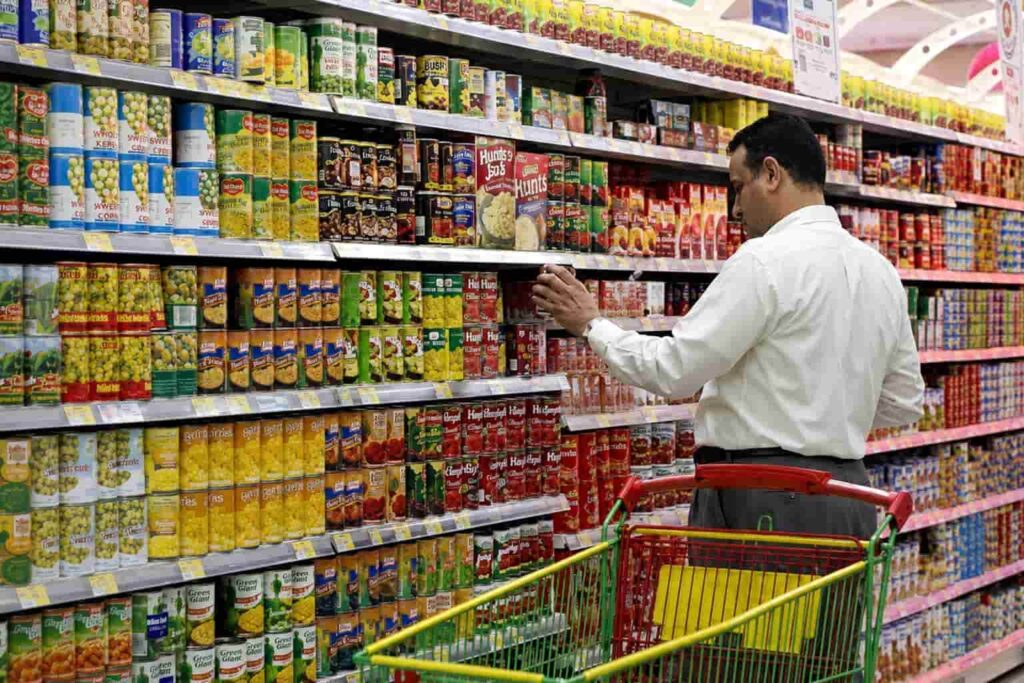
A welfare system loses credibility when one depot allows what another blocks without clear reason. The problem is not only inconvenience. It affects dignity. It makes beneficiaries feel as if they are asking for a favour rather than using a facility earned through service. That should never happen in a disciplined welfare structure like CSD.
At the same time, discipline in the system is also necessary.
CSD facilities are not open-ended. Entitlement has to be protected. Smart cards must not be misused. Dependents and attendants cannot be allowed to operate casually outside the rules. Verification is therefore essential. The canteen staff have a legitimate responsibility to ensure that purchases remain within policy, quotas and identity rules. But proper verification and unnecessary harassment are not the same thing. A disciplined system must be both careful and humane.
That is the balance the ground staff must maintain.
If documentation is required for purchase by a dependent or attendant, then the beneficiary family should be clearly told what documents are needed. If a certificate or local permission is necessary, the family should know that in advance. If the primary beneficiary is unable to visit, the procedure should be explained in writing or through a standard local notice. Confusion grows when rules exist but are not communicated clearly.
For families, the safest approach is preparation.
It is always better to visit the canteen with the required smart card, valid ID, supporting documents, and any local authorisation or medical proof if the main beneficiary is unable to be present. Going with a complete file reduces the chance of dispute. Many counter-level problems worsen simply because the family assumes that verbal explanation will be enough. In a regulated welfare system, documents matter.
This is particularly important for widows and senior veterans.
They are often the most affected by inconsistent implementation and the least comfortable with procedural argument. Many may not know whom to approach if denied. Many may feel embarrassed or discouraged after one unpleasant interaction. That is why veteran associations, local ex-servicemen groups and URC management must play a stronger support role. A welfare system becomes more effective when the weakest users are guided, not just the confident ones.
There is also a lesson here for administration.
If a clarification has already been issued, it must reach the depot level in a way that removes doubt. Station-level officials and URC staff should not be left relying on informal interpretation. A clear advisory, uniform briefing and standard operating practice can prevent most of these disputes before they happen. The best welfare system is the one that does not force the beneficiary into repeated explanation.
That is why this issue is bigger than one viral video or one payment question.
It is a reminder that implementation is everything. A rule framed at the top only helps if it works smoothly at the counter. Veterans do not experience policy through files in Delhi. They experience it through the cashier, the verification desk, the canteen manager and the local process in front of them. That is where trust is built or broken.
The most sensible takeaway for families is simple.
Do not panic because of forwarded claims. Do not assume every counter objection means a new national restriction. Keep your documents ready, follow the entitlement process, ask politely for written clarification if stopped, and escalate genuine issues through the proper canteen or welfare channel rather than through argument at the counter.
In the end, this is not a story about whether one ATM card is allowed or disallowed in some dramatic new sense.
It is really a story about whether a welfare facility meant for veterans, widows and dependents is being applied with consistency, discipline and respect. That is what families need. Not confusion. Not humiliation. Not mixed signals from one depot to another.
Because in a system built for those who served, the rule should be firm, but its implementation should also be fair.


Leave a Reply